Hong Kong is facing a critical identity crisis. For decades, the playbook for attracting tourists was simple. You built massive shopping malls, lit up neon signs, and let the skyline do the heavy lifting. That era is dead. Travelers today do not want carbon-copy luxury hubs. They want soul.
Shangri-La Group Chairman and CEO Kuok Hui Kwong recently put this reality into sharp focus. Speaking to the local tourism trade, she delivered a clear message. Hong Kong must tap into its deep cultural foundation to build a real competitive advantage. It is a wake-up call for an industry that has relied far too long on glitz and glamour.
The post-pandemic recovery numbers looked decent on paper. International visitors returned. But look closer at the spending habits. People are buying fewer designer bags. They are searching for authentic experiences instead. If the city keeps ignoring its heritage, it will lose out to regional rivals.
The Power of Local Heritage
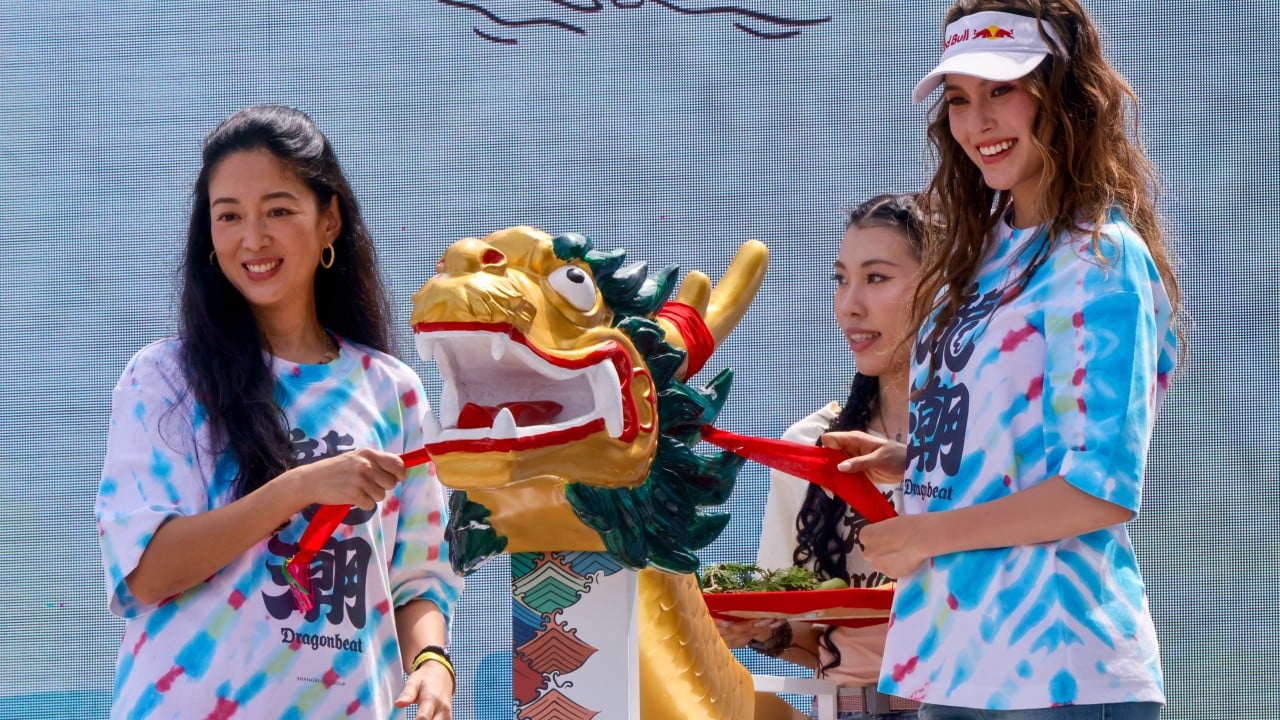
Kuok rightly highlighted that Hong Kong has preserved a massive amount of traditional culture. This is an international city that still shuts down for ancient festivals. That contrast is exactly what makes it fascinating. Think about the Cheung Chau Bun Festival or the Tai Hang Fire Dragon Dance. These are not manufactured tourist traps. They are living history.
Right now, the tourism sector treats these events as secondary entertainment. That is a mistake. Traditional festivals should lead the marketing strategy. International travelers want to see communities come together. They want the noise, the smoke, and the genuine emotion of a local celebration.
Look at how other global hubs handle their roots. Kyoto protects its ancient districts fiercely. New Orleans builds its entire brand around its musical heritage. Hong Kong has the same potential hidden in its walled villages and coastal temples.
Moving Beyond the Shopping Mall
The retail-driven tourism model is broken. E-commerce changed how people buy goods forever. High rents pushed out independent local shops. If a tourist can buy the exact same luxury watch in New York, London, or Shanghai, why fly to Hong Kong for it?
Authenticity cannot be imported. It has to come from the ground up. The city needs to support neighborhood-level tourism. Visitors want to explore the tea houses of Sham Shui Po or the dried seafood markets of Sheung Wan. They want to taste authentic Cantonese flavors, not just dine at Michelin-starred hotel restaurants.
Industry leaders need to change how they measure success. Total visitor heads do not tell the whole story. Length of stay and depth of engagement matter much more. A traveler who stays for a week to explore local heritage sites spends more on the local economy than a cruise passenger who stays for six hours.
Practical Steps for Local Operators
Fixing this requires immediate action from businesses and policymakers. Stop waiting for government campaigns to fix the city's image.
First, hotel groups and tour operators must build direct partnerships with local cultural custodians. Hire local historians, craftsmen, and artists to create exclusive guest experiences. A masterclass in traditional lion dancing or a guided architectural walk through old neighborhoods offers immense value.
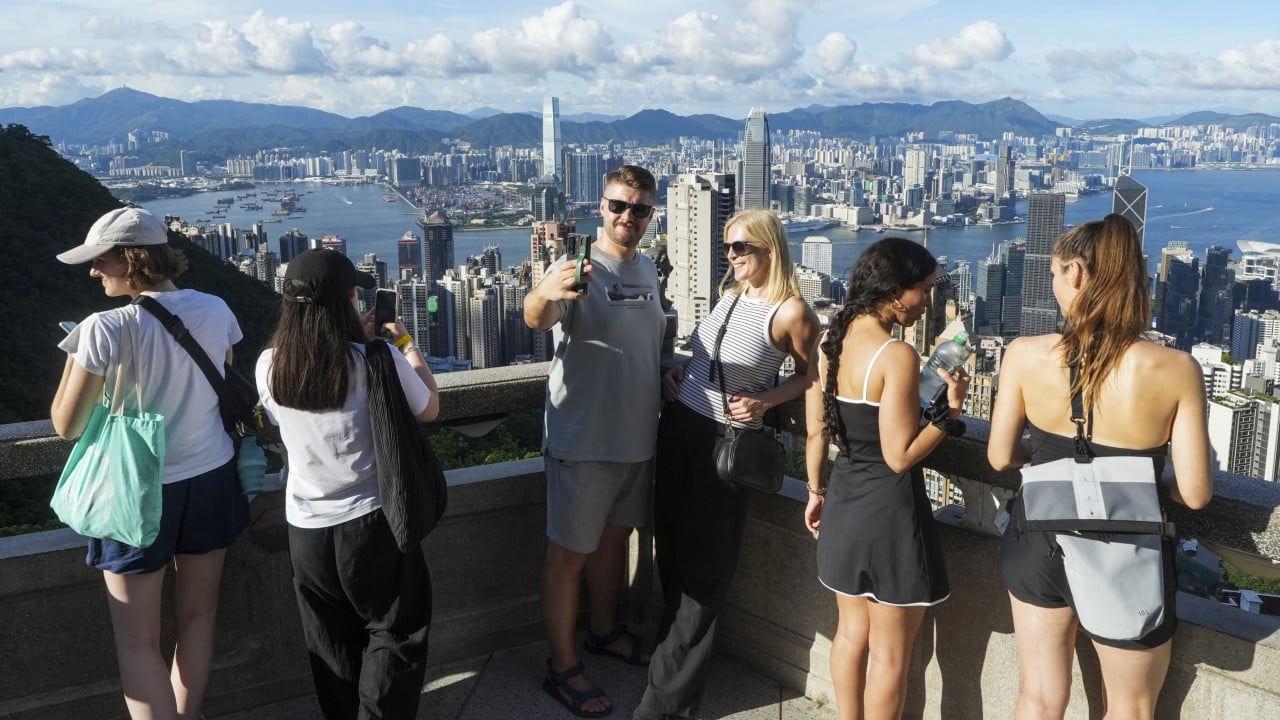
Second, update the digital narrative. Stop using generic stock photos of Victoria Harbour. Show the gritty, beautiful reality of the city's backstreets. Use video content to highlight the preparation behind major cultural events weeks before they happen. Build anticipation.
Finally, protect what is left. The tourism trade must actively advocate for the preservation of historic buildings and traditional trades. When a historic tea house closes down, a piece of the city's appeal dies with it. Invest in keeping these businesses alive. The future of the industry depends on it.