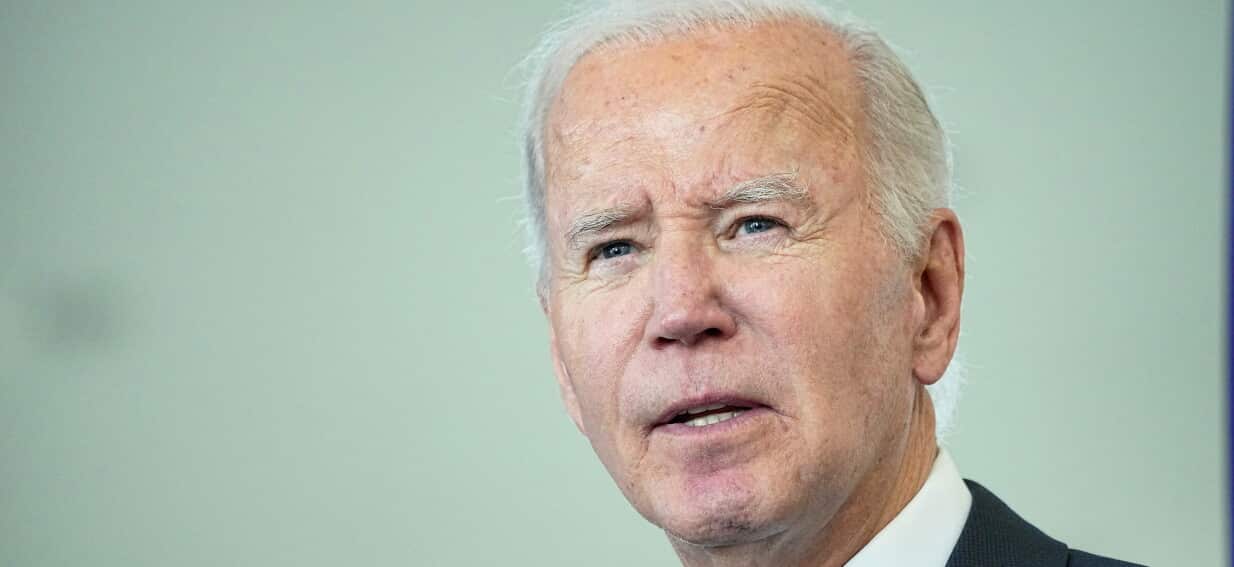
Watching a parent deal with a severe illness is brutal. Watching it happen on the global stage while every political pundit picks apart your family is another level of exhausting. Hunter Biden recently opened up about his father in a candid interview, confirming details about former President Joe Biden's ongoing cancer battle that many have speculated about for months.
If you have followed the news cycles closely, you know the diagnosis dates back to May 2025, shortly after the administration exited Washington. But the recent updates shift the conversation away from standard political noise and focus squarely on the raw reality of advanced age and disease. Let's look at what is actually happening behind the scenes, what the medical context implies, and why the public narrative often misses the point entirely. For a different perspective, see: this related article.
The Reality of Advanced Prostate Cancer Progression
When public figures face major health crises, official statements often smooth over the rough edges. Medical transparency is complicated by privacy laws, public panic, and political legacy protection. However, the recent statements from the family paint a much starker picture.
Hunter Biden noted that the disease has metastasized significantly into the bone tissue, turning into a deeply painful and physically limiting condition. For anyone familiar with advanced oncology, bone metastasis changes the game completely. Similar reporting regarding this has been shared by Everyday Health.
- Stage 4 prostate cancer involving the skeletal system is categorized as systemic.
- Treatment shifts from curative intent to management, pain mitigation, and slowing cellular growth.
- Bone involvement routinely brings severe physical discomfort, requiring constant medical oversight.
Former First Lady Jill Biden previously shared that signs were missed or brushed aside early on, noting how the former president was waking up repeatedly during the night prior to the initial formal discovery. That kind of symptom gets normalized as standard aging until a sudden clinical flag forces a deeper check. People often ask how a president could miss such a thing while surrounded by elite medical teams. The truth is that routine prostate-specific antigen screening guidelines for older adults vary widely, and slow-moving changes can easily hide behind generalized fatigue.
Why Public Sympathy Clashes With Political Scrutiny
Public reaction to health disclosures involving high-profile politicians rarely stays purely humanitarian. Critics immediately point back to the intense debates surrounding fitness for office during the 2024 campaign cycle.
You see two opposing narratives online:
- One side argues that health struggles were downplayed during active public service, affecting governance transparency.
- The other side emphasizes that medical privacy belongs to the individual, even when that individual holds the highest office in the country.
Hunter acknowledged tough truths during his media appearances, including addressing the heavy personal toll his own struggles with addiction took on his father over the years. He admitted openly that the chronic stress of family crises weighed heavily on the former president's shoulders. When you combine high-stakes national leadership, personal family trauma, and an aggressive late-stage diagnosis, the human cost becomes staggering.
Managing Chronic Oncology Battles Later in Life
Dealing with bone-metastasized cancer at age 83 requires an intense, daily routine of targeted therapies and symptom management. It is not a single surgery and recovery cycle. It is a permanent lifestyle of check-ins, medication adjustments, and bracing for unpredictable physical setbacks.
Families navigating these exact scenarios face grueling choices. The focus turns away from legacy headlines and toward quality of life. As the former president prepares to release a memoir titled Promise Me, America, his public appearances remain deliberate, driven by a stubborn refusal to exit the public dialogue completely.
Stop expecting clean, tidy narratives from messy human situations. Illnesses like this do not care about political parties, public approval ratings, or historical legacies. They simply demand endurance from the people forced to live through them every single day.