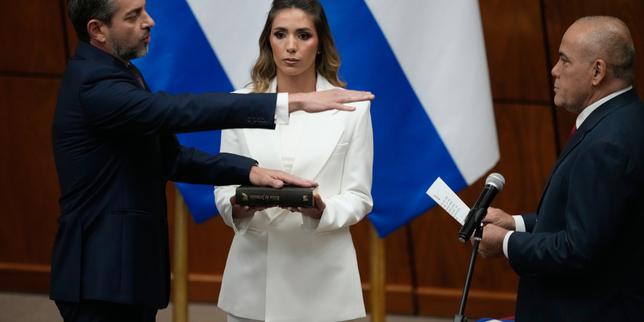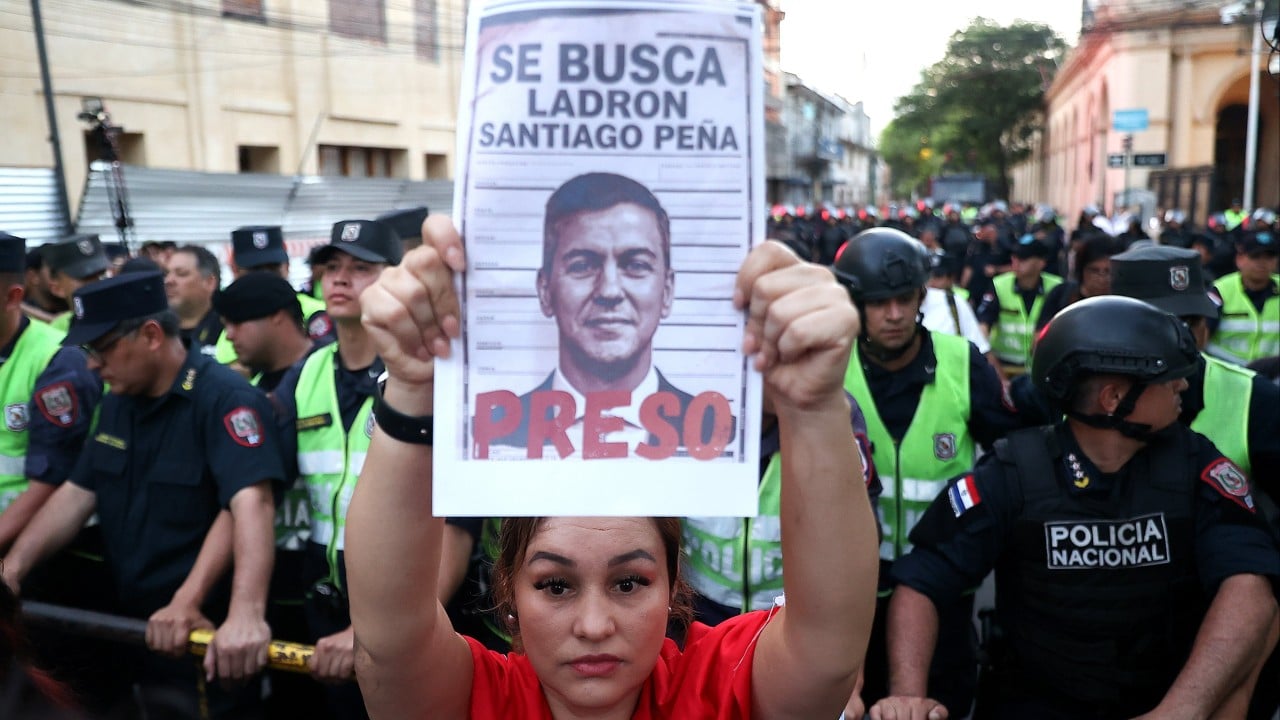
No, Santiago Peña hasn't been impeached, and he definitely isn't sitting under house arrest right now.
If you scrolled past a viral headline claiming Paraguay’s president was just ousted over a massive Ueno Bank scandal, you got hit with classic clickbait. It spreads fast. People share it without clicking, panic sets in among regional investors, and suddenly a fabricated political coup becomes "common knowledge" on social media.
Here is what actually happened. While there's zero truth to an impeachment or an arrest, the headline didn't appear out of thin air. It hijacked real, messy political friction surrounding Peña's past business ties and the rapid rise of Ueno Bank in Paraguay's financial sector.
Understanding why this rumor caught fire requires separating genuine political controversy from outright fiction. Let's look at the actual facts on the ground in Asunción.
Where the Ueno Bank Rumor Actually Came From
To understand why people fell for this, you have to look at how fast Ueno Bank grew. In just a few years, Ueno went from a relatively small finance company to one of the largest digital-first banks in Paraguay, absorbing Visión Banco along the way. That kind of meteoric rise always attracts scrutiny in a small market.
Opposition lawmakers and local investigative outlets in Paraguay have spent months questioning the relationship between Ueno's parent group, Grupo Vázquez, and President Peña. Before taking office in August 2023, Peña held executive and board roles within Grupo Cartes, the business conglomerate owned by former President Horacio Cartes.
Critics pointed out that Peña still held financial investments or bonds tied to companies connected to the banking sector's rapid consolidation. Even after Peña stated he had divested or placed assets into blind arrangements, the political noise didn't stop. Opposition politicians in the Chamber of Deputies routinely use these financial ties to accuse the administration of favoritism and conflicts of interest.
Somewhere along the internet's game of telephone, "opposition lawmakers demand answers about banking ties" mutated into "Peña impeached and arrested." Click-farm websites love this kind of exaggeration because South American political drama drives massive engagement.
How Impeachment Actually Works in Paraguay
If an impeachment were actually happening in Asunción, you wouldn't hear about it first from a sketchy URL with broken metadata. You'd see tanks, massive street protests, and wall-to-wall coverage from major outlets like ABC Color, Última Hora, and Reuters.
Paraguay's constitution makes impeachment—known locally as a juicio político—a very public, very loud spectacle. Under Article 225 of the 1992 Paraguayan Constitution, the process follows strict legal steps:
- The Chamber of Deputies brings the charges. It takes a two-thirds majority vote in the lower house just to formally accuse the president of poor performance or crimes committed in office.
- The Senate acts as the tribunal. Once accused, the president isn't immediately thrown in jail or put under house arrest. They stay in office while the Senate holds a formal trial.
- Removal requires another supermajority. Two-thirds of the Senate must vote to convict. Only then is the president removed from office and handed over to the regular justice system for criminal prosecution.
Look at the math in Paraguay's Congress right now. Peña’s Colorado Party (Asociación Nacional Republicana) holds a comfortable majority in both the Chamber of Deputies and the Senate. Even with internal factions inside the Colorado Party constantly bickering, they aren't voting to remove their own president. Not even close.
Paraguay has certainly seen fast impeachments before. Fernando Lugo was removed in 2012 in a whirlwind process that took less than 48 hours. That history makes people trigger-happy when they see "Paraguay" and "impeachment" in the same sentence. Still, Lugo didn't have a legislative majority backing him. Peña does.
Why Financial Rumors Hit Harder in Asunción
When fake news targets a bank, the stakes aren't just political. They're financial.
In Latin America, banking panics aren't abstract history lessons—they're living memory. Paraguay suffered a devastating banking crisis in the mid-1990s that wiped out savings and wrecked the economy for years. Because of that history, any rumor linking a sitting president's downfall to a major commercial bank triggers immediate anxiety among regular depositors.
Ueno Bank has aggressively marketed itself to everyday Paraguayans, onboarding millions of users through digital accounts, cashback perks, and retail partnerships. When a viral post claims a "Ueno banking crisis" just took down the president, regular people start wondering if their debit cards will work tomorrow morning.
The Central Bank of Paraguay (BCP) monitors liquidity and capital adequacy ratios strictly specifically to prevent these kinds of shocks. A real banking crisis in Paraguay would involve emergency interventions by the BCP, frozen accounts, or sudden liquidity injections—none of which have happened.
The Real Political Pressure on Santiago Peña
Just because the impeachment story is fake doesn't mean Peña is having an easy ride. Treating the entire controversy as "nothing to see here" misses the real story.
Peña came into office pitching himself as a technocrat. He's an economist by training, a former finance minister, and an ex-IMF official who speaks fluent English and courts foreign investment aggressively. His main goal has been getting Paraguay an investment-grade credit rating—which Moody's actually granted in July 2024.
Yet his biggest vulnerability remains domestic perception. Critics constantly argue that his administration blurs the line between state policy and private business interests, particularly those aligned with his political mentor, Horacio Cartes.
Every time a state institution signs a contract, moves deposits, or adjusts regulations that appear to benefit Ueno Bank or related conglomerates, opposition leaders pounce. They file information requests, hold press conferences, and hammer the administration in the press. That friction is completely real, and it isn't going away anytime soon.
How to Spot Fake Latin American Political News Fast
Disinformation networks target regional politics constantly because English-language fact-checkers rarely pay attention to countries like Paraguay until something explodes. If you follow international business, emerging markets, or regional news, you can't rely on social media algorithms to filter out garbage.
Run a quick mental check the next time a dramatic headline crosses your feed:
- Check the local heavyweights first. If a Paraguayan president is arrested, it will be the top banner headline on ABC Color, Última Hora, and La Nación (Paraguay) within five minutes. If those sites are talking about soccer or municipal budgets instead, the story is fake.
- Look at the legal sequence. Presidents in constitutional republics aren't "impeached and placed under house arrest" in a single afternoon. Impeachment is a legislative process; house arrest is a judicial measure. Conflating them into one snappy headline is a classic hallmark of AI-generated clickbait.
- Verify the financial regulators. Claims of a "banking crisis" always leave a paper trail at the Central Bank of Paraguay or international rating agencies like Moody's and Fitch. No regulatory action means no crisis.
Stick to primary local sources and verify institutional actions before reacting to viral political shocks. When real political upheaval hits Asunción, you won't need a rumor mill to tell you about it.