Don’t let the sudden 6% plunge in crude prices fool you into thinking the global energy crisis is over.
When Brent crude futures plummeted to $104.87 and West Texas Intermediate dropped toward $98, headline writers rushed to credit a breakthrough. Two headlines dominated terminal screens. First, President Donald Trump claimed that secret negotiations with Iran had reached their "final stages." Second, a fleet of 26 commercial vessels, including Chinese supertankers and a South Korean very large crude carrier, sailed safely through the blockaded Strait of Hormuz.
It looks like a textbook de-escalation. But if you talk to anyone actually routing tankers or hedging energy risk, they’ll tell you the market is reacting to a mirage.
The reality on the water is far messier, and frankly, a lot more volatile than the White House pool reports suggest. We’re looking at a tactical pause, not a permanent peace. Traders who are aggressively selling off crude right now are ignoring the structural damage inflicted by an 11-week shipping blockade that started back in late February.
The Illusion of Free Navigation in the Strait of Hormuz
Let’s unpack what actually happened in the water. The Islamic Republic of Iran Broadcasting network made sure everyone knew that those 26 ships crossed the strait under the strict supervision of the Islamic Revolutionary Guard Corps navy. This wasn't a triumph for international freedom of navigation. It was a demonstration of absolute Iranian control.
The Revolutionary Guard explicitly stated that transit through the chokepoint is now permitted only with direct coordination from Tehran. This looks less like an open shipping lane and more like a toll booth run by a hostile military power.
Consider who actually got through. The vessels allowed to pass included two Chinese-flagged supertankers and the South Korean-registered Universal Winner. Iran is selectively opening the valve to avoid completely alienating its largest economic lifeline, Beijing, while keeping the pressure turned up on Western allies. If you're operating a US-linked or Israeli-linked container ship, nothing has changed. The blockade remains entirely intact for you.
The temporary relief provided by these transits doesn't undo months of chaos. Since the US-led military strikes on Iran triggered the closure of the waterway, the global supply chain has absorbed the largest single energy disruption in history. A few tankers slipping through with a military escort doesn't solve that.
Why Trump's Final Stage Claims Deserve Extreme Skepticism
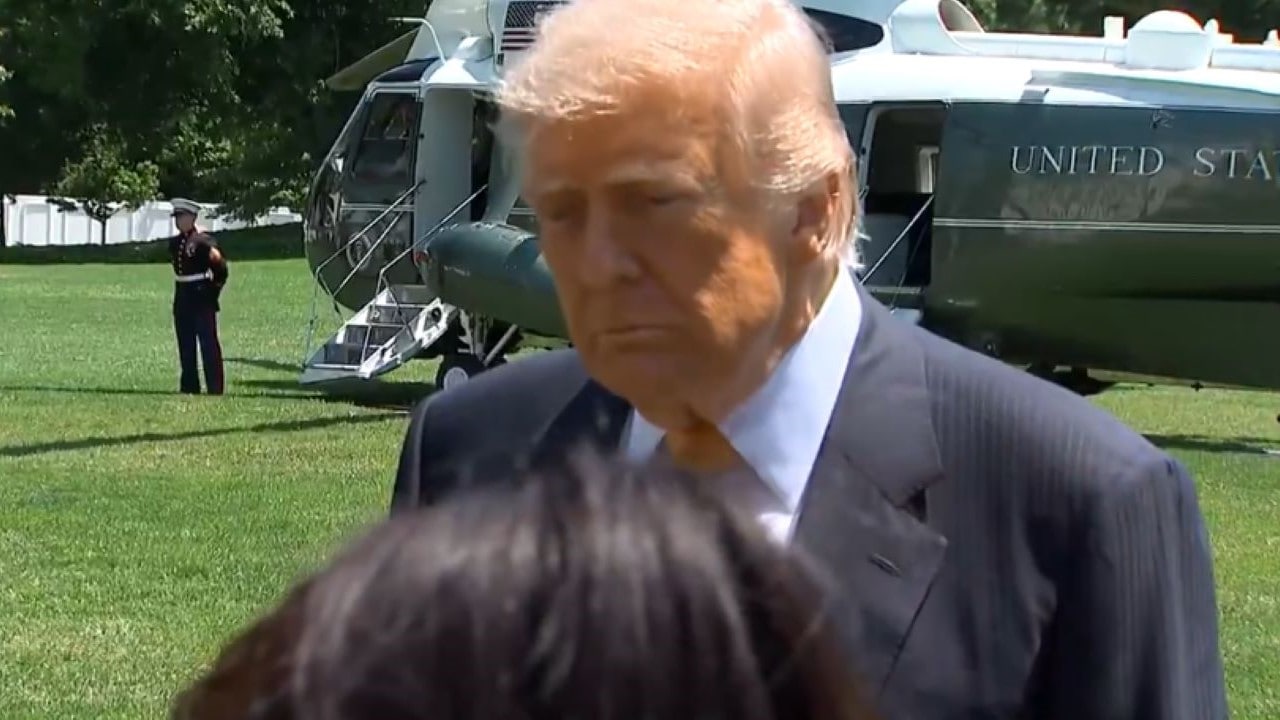
The market always reacts to the bully pulpit. When Trump told reporters he paused a planned airstrike to give diplomacy a chance, algorithms automated a massive sell-off. The rumor mill heated up even more with reports that Pakistan’s army chief, Asim Munir, is flying to Tehran with a finalized draft of a US-Iran peace proposal.
But we've seen this movie before. Over the last two months, the administration has repeatedly signaled a major breakthrough, only to follow up with a fresh round of threats. Just hours after preaching diplomacy, the White House warned that a renewed military campaign could launch by early next week if Tehran blinks.
Even the diplomatic rhetoric coming from Iran shows how wide the gap remains. While foreign ministry spokesperson Esmaeil Baghaei talked about developing cooperative protocols for safe shipping, he concurrently declared that Iran’s highly enriched uranium stockpiles are "as sacred as our soil." They aren't bargaining away their nuclear program, and they aren't dismantling their missile defense infrastructure.
Veteran oil analysts aren't buying the hype. John Kilduff, a partner at Again Capital, rightly pointed out that investors need to take these political pronouncements with a grain of salt. The physical market is still incredibly tight. Citi analysts are already warning clients that Brent could easily snap back to $120 a barrel because the broader market is severely underpricing the risk of a prolonged military stalemate.
The Pain at the Pump is Getting Worse
While institutional traders play chicken with futures contracts in New York and London, the real-world economic fallout is intensifying. Look at what's happening in major importing nations like India.
Because India relies on West Asian crude for roughly 60% to 70% of its energy needs, the prolonged closure of Hormuz has caused immense domestic pain. State-owned oil marketing companies just jacked up retail fuel prices for the second time in a single week. Petrol and diesel prices in New Delhi climbed another 90 paise per litre, following a massive three-rupee hike just days prior.
Think about that. Indian state-owned refiners were losing a staggering 1,000 crore rupees every single day. Even after forcing consumers to pay record prices at the pump, those daily losses only dropped to about 750 crore rupees.
That is the true face of a supply shock. It's an inflationary tax that isn't magically erased by a single day of panic selling on Wall Street.
Global Energy Disruption Indicators (May 2026)
--------------------------------------------------
Brent Crude Price: $104.87 (Down 5.97%)
WTI Crude Price: $97.66 (Down 6.23%)
Strait of Hormuz Blockade Duration: 11 Weeks
Indian Refiner Daily Losses: 750 Crore Rupees
US Commercial Stock Drawdown: 7.9 Million Barrels
--------------------------------------------------
The underlying fundamentals are aggressively bullish for oil prices. The latest Energy Information Administration data revealed a massive drawdown of 7.9 million barrels from US commercial crude inventories. Simultaneously, the federal government pulled another 9.9 million barrels out of the Strategic Petroleum Reserve to keep domestic refineries humming.
We are burning through our safety net at an unsustainable pace. When a market drops 6% on a day when nearly 18 million barrels of crude are wiped out of US storage, you know the trading floor is operating on pure emotion rather than math.
How to Navigate the Volatility
The current market drop is a classic bull trap driven by political theater. If you're managing corporate energy costs, trading commodities, or just trying to figure out where inflation is heading, you shouldn't rely on political press briefings.
Instead of watching the daily price swings, track the actual tanker tracking data from firms like Kpler and LSEG. Look at the insurance premiums for maritime freight in the Persian Gulf. Right now, war risk insurance remains at prohibitive highs. That tells you underwriting firms see the situation as just as dangerous as it was last week.
Keep a close eye on the prompt-month spread. The premium for immediate Brent delivery over six-month contracts is sitting around $20 a barrel. While that's down from the peak of $35 we saw last month, it still indicates that immediate physical oil is highly valued and scarce.
Prepare for a swift reversal. If the Pakistani mediation efforts falter this weekend or Trump resumes his military posture by next Monday, the short-sellers who drove WTI below $100 will rush to cover their positions. The resulting short squeeze could easily push global benchmarks past previous highs.
Secure your fuel hedges now while the market is offering a temporary discount. This isn't the start of a bear market. It's the eye of the storm.