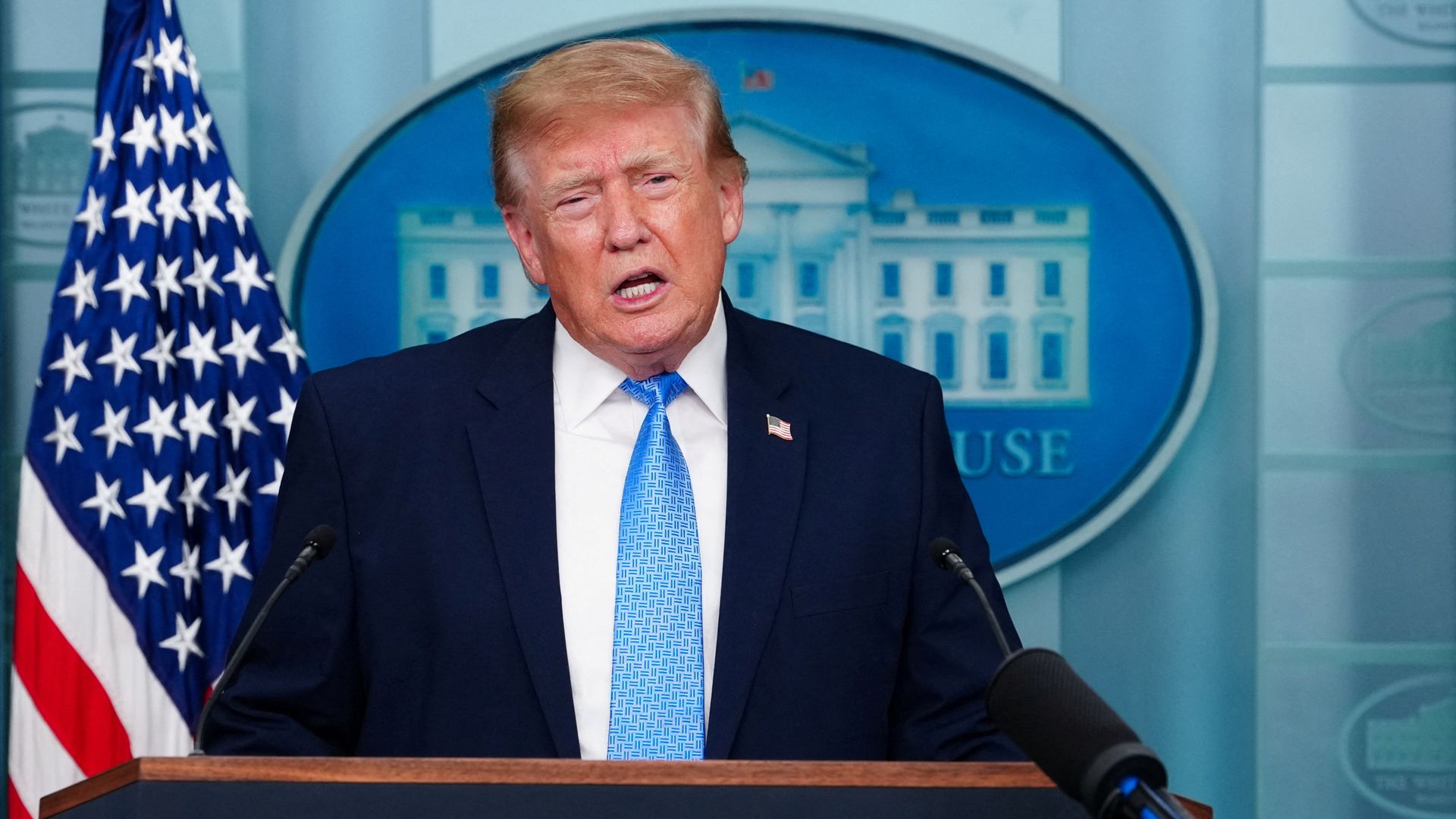
When President Donald Trump says there's positive momentum toward ending the war with Iran, markets perk up and headlines sprint ahead. I've watched enough Middle East standoffs to know that a president's upbeat line rarely equals a signed treaty. Still, you can't brush off what's shifting right now either.
Here's the bottom line upfront. Trump has pointed to growing diplomatic traction—especially after White House meetings with Qatari Prime Minister Sheikh Mohammed bin Abdulrahman Al-Thani—and argued that military action isn't currently necessary while a naval blockade and overland interdiction efforts hold. Yet senior U.S. officials have struck a much cooler tone, and Tehran continues to push back hard on both the existence of real talks and Washington's core demands.
Why "Positive Momentum" Doesn't Mean Peace Is Around the Corner
Look closely at the gap between political optimism and diplomatic reality. Earlier in November, after hosting Qatar's prime minister, Trump said he saw positive momentum toward a deal and suggested resuming U.S. strikes looked unlikely. Around that same window, Secretary of State Marco Rubio was far more cautious, saying diplomatic efforts had made little progress and a breakthrough wasn't imminent.
That split isn't just spin. It's structural.
Since the joint U.S.-Israeli campaign began on February 28, 2026, the conflict has spilled across shipping lanes, regional capitals, and domestic politics. Gulf states like Qatar, Saudi Arabia, the UAE, Bahrain, and Kuwait absorbed retaliatory pressure and understandably want calm restored without giving up security guarantees. Meanwhile, Tehran—now under Supreme Leader Mojtaba Khamenei following the leadership transition—has insisted on its own terms, including halting hostilities across fronts, lifting oil sanctions, unfreezing assets, and ending the U.S. counter-blockade on Iranian ports.
Honestly, when two sides start from opposite lists of preconditions, "momentum" can mean nothing more than messages still passing through third parties. Qatar and Pakistan have been heavily involved in mediation efforts, keeping channels open even when public rhetoric sounds like a brick wall.
What Gulf Mediators and Tehran Are Actually Fighting Over
If you're searching for answers on whether the war is truly winding down, you have to look past general talk of "peace" and focus on four concrete flashpoints.
- Nuclear red lines and enrichment: Washington and regional partners have pressed hard to block Iran from acquiring a nuclear weapon, while Tehran has argued against giving up enriched uranium inside the country. Even newer accusations from U.S. and Israeli officials regarding chemical or biological weapons research—which Iran's foreign ministry flatly rejected—show how easily trust erodes mid-negotiation.
- The Strait of Hormuz and maritime blockades: Shipping through the Strait of Hormuz has been central to the economic shockwave. Tehran has restricted and targeted unauthorized vessels while Washington has enforced a blockade on Iranian ports and escorted tankers. Any durable deal has to spell out maritime rules on paper, not just calm rhetoric at a podium.
- Sanctions relief and frozen assets: For Tehran, ending military pressure isn't enough if economic suffocation stays locked in. For Washington and its allies, lifting pressure too early risks handing Iran breathing room without verifiable limits.
- Domestic clocks in Washington and Jerusalem: Political incentives cut both ways. Voters in the U.S. have felt the economic sting of the war, and major-power summits—such as talks involving Trump, Xi Jinping, and Vladimir Putin—have highlighted how global leaders are jockeying for influence even when big wars don't get solved in a single meeting. Analysts like Hoo Tiang Boon at Nanyang Technological University and Wu Xinbo at Fudan University have noted that big-power optics don't automatically settle bilateral conflicts between Washington and Tehran.
A Common Mistake People Make Reading War Headlines
The biggest mistake I see readers make is treating a leader's confidence as proof of a deal's durability. Leaders use optimistic framing as leverage—to calm nervous allies, signal strength to domestic audiences, or test whether an adversary will blink.
On the flip side, dismissing every diplomatic opening as "fake" misses how slow grudging compromises usually start. In Middle East diplomacy, quiet backchannels often look messy and contradictory right up until someone announces a framework. You have to hold both truths in your head at once: talks can be active without a deal being close.
What to Watch Next If You Track This Closely
If you're following this story for business, travel, energy exposure, or policy reasons, don't rely on single soundbites. Check CBS News live war coverage and Arab News Middle East reporting side by side so you see both Washington's framing and Tehran's counter-statements.
Pay special attention to three practical signals over the coming weeks:
- Concrete terms over vague praise: Watch for specific mechanisms around Strait of Hormuz transit, port blockades, or verification—not just phrases like "positive momentum" or "real deal".
- Alignment between the White House and State Department: When the president sounds upbeat while senior officials urge caution, pay attention to whether those messages start converging.
- Shipping and energy risk premiums: Watch freight rates, war-risk insurance, and crude market reactions rather than assuming calm headlines mean normal maritime operations.
Until verifiable agreements change facts on the water and at the negotiating table, treat every upbeat headline about the Iran war as a signal to watch closer—not a reason to let your guard down.