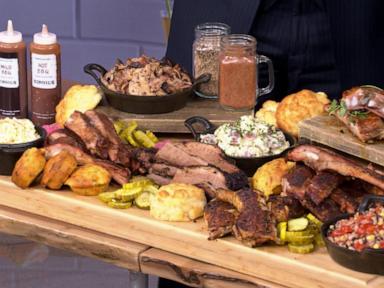
May is National BBQ Month. Most backyard cooks will celebrate by burning expensive ribeyes over flaming lighter fluid. They think a wall of black smoke means flavor. It does not.
Every spring, a wave of content floods the internet telling you to fire up the grill. Media segments show local pitmasters smiling next to glistening racks of ribs. But these quick clips never give you the actual mechanics of live-fire cooking. They focus on the spectacle, not the science.
Barbecue is one of the few culinary traditions deeply rooted in regional identity. It is a mix of wood smoke, meat chemistry, and extreme patience. If you want to honor the tradition this month, you need to stop treating your grill like an outdoor microwave.
The Difference Between Grilling and True Barbecue
People use these terms interchangeably. That is a massive mistake.
Grilling is hot and fast. You place thin cuts of meat directly over a high heat source, usually between 400 and 600 degrees Fahrenheit. Think burgers, hot dogs, and skirt steaks. It is about searing the surface to trigger the Maillard reaction. This chemical reaction creates that distinct, savory crust. It takes minutes.
Barbecue is low and slow. You use indirect heat and convection to cook tough, collagen-rich cuts of meat over a long period. The temperature stays low, usually between 225 and 275 degrees. This process transforms tough connective tissues into meltingly tender gelatin. It takes hours. Sometimes all night.
If you try to barbecue a beef brisket with direct heat, you get a boot heel. If you try to grill a pork shoulder over high flame, you get an inedible char ball. Understanding this distinction changes everything.
Why Your Charcoal Flavor Tastes Like Kerosene
Lighter fluid is a shortcut that ruins food. It leaves a chemical residue that coats the inside of your grill and permeates the meat.
If you smell fuel when you dump your coals, you did it wrong. That chemical stench masks the natural flavors of the wood and meat. It destroys the nuances of the rub you spent time preparing.
Buy a chimney starter instead. It is a metal cylinder with a handle. You stuff newspaper into the bottom, fill the top with charcoal, and light the paper. Convection pulls the flame upward. Within fifteen minutes, you have red-hot, glowing embers. No chemicals. No foul odors. Just clean, pure heat.
The type of fuel matters too. Briquettes provide a predictable, steady burn because they contain binders and sawdust. They are great for consistent temperature control. Lump charcoal is pure burned wood. It burns hotter and leaves less ash, but the irregular shapes make temperature management trickier.
For real barbecue flavor, you need hardwood.
- Hickory: The heavy hitter. It delivers a strong, sweet flavor that pairs perfectly with pork and ribs. Use it sparingly; too much hickory makes meat taste bitter.
- Oak: The backbone of Central Texas barbecue. It offers a clean, medium smoke profile that works beautifully with beef brisket.
- Apple and Cherry: These fruitwoods give off a mild, sweet smoke. They turn pork poultry skin a deep, mahogany color.
Mesquite is another option, but it burns incredibly hot and fast. The smoke is intense. It can easily overwhelm your food, making it taste like medicine if you are not careful. Save mesquite for quick grilling rather than long smoking sessions.
The Science of the Smoke Ring and the Stall
A prominent pink ring under the crust of smoked meat looks great. Many consider it the ultimate sign of a barbecue master.
The smoke ring is a chemical reaction, not a flavor indicator. It happens when nitrogen dioxide gas from burning wood dissolves into the moist surface of raw meat. This gas binds with myoglobin, the protein that makes meat red. It locks in that pink color before the heat changes it to brown.
The ring stops forming once the internal temperature hits 140 degrees. If you want a deep smoke ring, put your meat on the grill straight from the refrigerator. Cold meat holds onto those gases longer.
Then comes the stall.
You are smoking a pork shoulder. The internal temperature climbs steadily to 150 degrees, then it stops. For three hours, the temperature refuses to move.
Beginners panic here. They think the fire died, so they dump more coal into the cooker. This shoots the temperature up and dries out the meat.
The stall is simple evaporative cooling. As the meat cooks, moisture forces its way to the surface. That moisture evaporates, cooling the meat just like sweat cools your skin. The temperature will not rise again until that surface moisture dries up.
You can beat the stall with the Texas Crutch. When the internal temperature hits roughly 160 degrees, wrap the meat tightly in heavy-duty aluminum foil or pink butcher paper. This traps the moisture, stops the evaporative cooling, and pushes the meat through the stall much faster.
Foil traps everything, which softens your bark. Butcher paper breathes, keeping that outer crust crisp while still speeding up the cook.
Ditch the Store Bought Sauce and Build a Rub
Barbecue sauce is not a marinade. Most commercial sauces contain high-fructose corn syrup as the primary ingredient. Sugar burns at 320 degrees. If you slather sauce on your chicken at the beginning of a cook, that sugar turns to bitter, black carbon long before the meat cooks through.
Apply sauce during the final ten to fifteen minutes. You want just enough time for the heat to caramelize the sugars slightly, creating a sticky glaze.
Real flavor starts with a dry rub. A classic rub relies on a balance of salt, pepper, paprika, and garlic powder.
Central Texas style keeps it minimal. They use a 50/50 mix of coarse kosher salt and 16-mesh black pepper. The coarse grind creates pockets on the surface of the meat, catching the smoke and building a thick, peppery bark.
For pork, you want a sweeter profile. Mix brown sugar, paprika, onion powder, and a pinch of cayenne pepper. The sugar melts during the slow cook, combining with the meat juices to form a savory lacquer.
Always salt your meat ahead of time. This process, called dry brining, draws out internal moisture. The salt dissolves into that moisture, creating a brine that the meat reabsorbs. It seasons the food deeply, not just on the surface. Do this the night before for the best results.
Stop Cutting Your Meat Immediately
You spent twelve hours managing a fire. The brisket looks perfect. You pull it off the cooker and slice it open right on the cutting board.
You just ruined your dinner.
During the cooking process, heat coaxes the muscle fibers to tighten, pushing moisture toward the center of the cut. If you slice it immediately, all those flavorful juices rush out onto the board. You are left with a dry piece of meat.
Resting is mandatory.
Large cuts like brisket and pork butt need to rest for at least an hour. Two hours is even better. Place the wrapped meat inside an empty, insulated cooler. Wrap it in a few old towels to hold the heat. This slow cooldown lets the muscle fibers relax, allowing the juices to redistribute evenly throughout the entire cut. When you finally slice it, the moisture stays inside the meat where it belongs.
Your Next Steps on the Grill
Do not wait for a holiday weekend to practice. Pick up a bone-in pork shoulder this week. It is a forgiving, inexpensive cut with enough fat to handle temperature swings while you learn to control your cooker.
Set up your grill for indirect cooking by placing all the coals on one side. Put the meat on the opposite side. Throw a chunk of hickory on the embers, close the lid, and adjust your vents until the temperature settles around 250 degrees. Watch the smoke. You want a thin, barely visible blue mist, not thick white clouds. Be patient, let the meat rest when it is done, and skip the lighter fluid entirely.