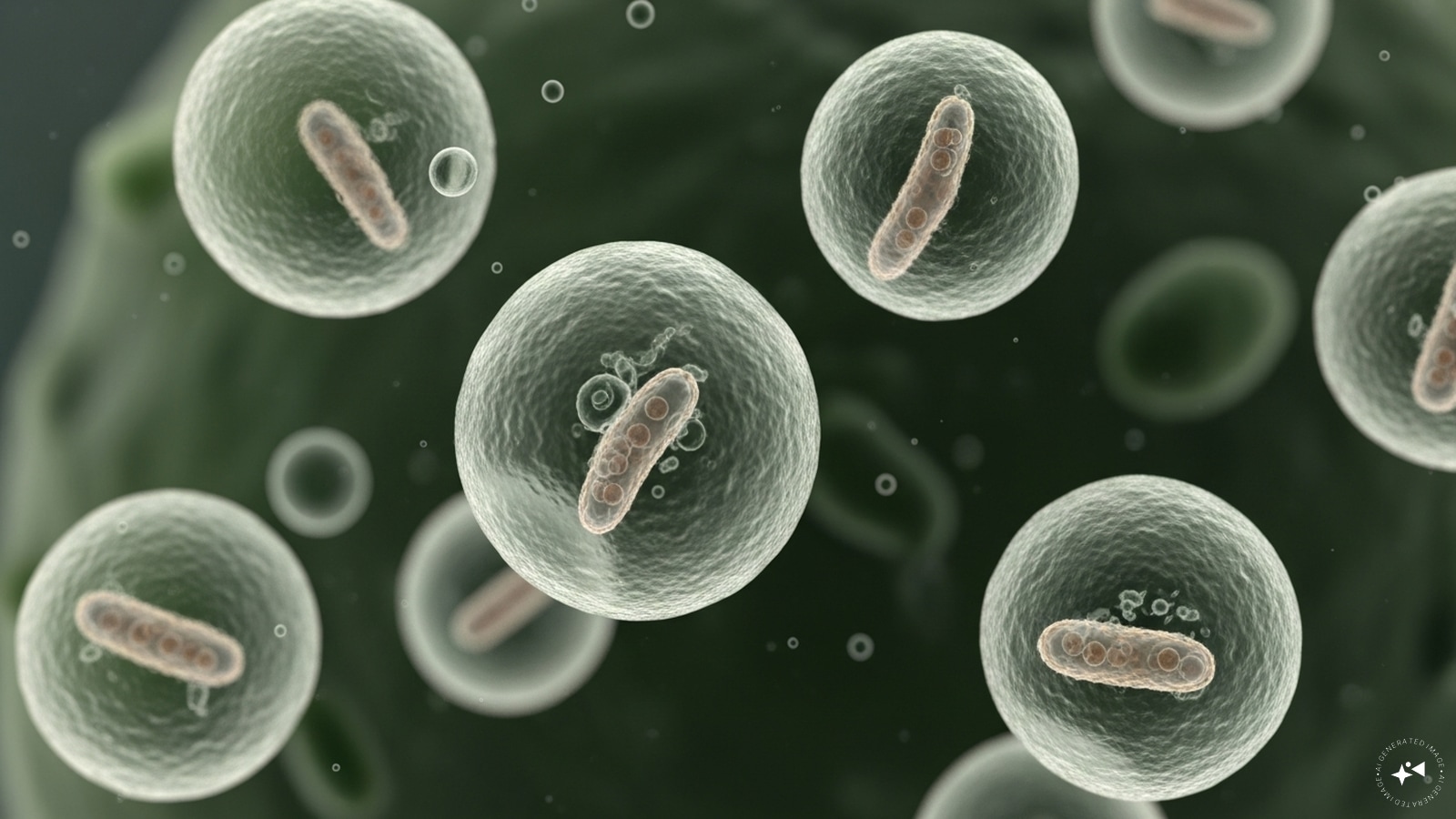
Pregnant women are being told to eat more greens, stay active, and avoid soft cheeses. That’s standard advice. But there’s a much bigger, invisible threat that often gets ignored in the doctor's office. Pesticides are finding their way into the very place they should never be. I'm talking about the womb. It’s a harsh reality that many babies are born "pre-polluted" with a cocktail of synthetic chemicals. This isn't just a problem for people living next to industrial farms. It’s a problem for everyone.
The data is pretty staggering. Research from the Environmental Working Group (EWG) and various peer-reviewed studies have consistently found hundreds of industrial chemicals, including pesticides, in umbilical cord blood. We aren't just talking about traces. We’re talking about levels that can fundamentally alter how a child develops. If you think the placenta is a perfect filter, you’ve been misled. It’s porous. It lets things through. And right now, it's letting in poisons that shouldn't be there.
The Myth of the Protective Placenta
For decades, the medical community acted like the placenta was an impenetrable shield. We know better now. Chemicals like organophosphates and glyphosate—the stuff in common weedkillers—cross that barrier with ease. Once they’re in, they’re in. A developing fetus doesn't have the liver enzymes or the immune system to detoxify these substances. They just circulate.
Think about the timing. Timing is everything in biology. There are specific "windows of vulnerability" where a single chemical exposure can disrupt the formation of an organ or the wiring of a brain. You can’t go back and fix that later. If a pesticide mimics estrogen or blocks thyroid hormones during a critical week of gestation, the effects are permanent. It’s not about a high dose all at once. It’s about the wrong chemical at the wrong time.
What Science Actually Says About Prenatal Exposure
We have to look at the CHAMACOS study. This long-term research project out of UC Berkeley followed hundreds of pregnant women in agricultural communities. The results weren't just concerning—they were an indictment of our current chemical regulations. Children with higher prenatal exposure to organophosphate pesticides showed lower IQ scores by the time they reached age seven. We’re talking about a difference of several points. That’s the difference between a child struggling in school and a child thriving.
But it’s not just about IQ. We’re seeing links to ADHD, autism, and even physical deformities. A study published in Environmental Health Perspectives highlighted how residential proximity to agricultural pesticide application increased the risk of neural tube defects. You don't have to be the one spraying the chemicals to be affected by them. They drift. They settle in dust. They stay on your shoes.
Why Our Current Regulations are Failing Families
The way we regulate chemicals in this country is backwards. It’s "innocent until proven guilty." Companies can put a chemical on the market and wait years—or decades—before enough bodies pile up for the EPA to take a second look. Chlorpyrifos is the perfect example. Scientists have known for years that it damages children’s brains. Yet, it took a massive, years-long legal battle to even get close to a ban on food crops.
The "acceptable" levels of exposure are usually based on what an adult male can handle. They don't account for the unique physiology of a six-month-old fetus. They also don't account for the "body burden" or the synergistic effect of being exposed to ten different chemicals at once. Science calls this the cocktail effect. Regulators call it a headache they’d rather ignore.
The Problem With Glyphosate
Glyphosate is the most widely used herbicide in the world. It’s everywhere. It’s in our corn, our soy, and increasingly, our wheat. While the industry insists it’s safe for humans because we don't have the specific biological pathway it targets in plants, they’re missing the point. It affects our gut microbiome. It’s been linked to reproductive issues in animal studies. When pregnant women have high levels of glyphosate in their urine, studies have shown shorter gestational lengths. Basically, babies are coming out before they’re fully ready.
How Pesticides Enter Your Home
You don't need to live in a rural area to have a pesticide problem. Most of our exposure comes from three places: diet, home use, and "drift."
If you’re eating conventional produce, you’re eating pesticides. Period. Strawberries, spinach, and kale are some of the worst offenders. The "Dirty Dozen" list isn't just a marketing gimmick for organic food. It’s a survival guide. Then there’s the stuff you use in your own backyard or under your sink. Those "quick fix" ant sprays and lawn fertilizers don't just disappear. They break down into metabolites that linger in your carpet and air.
Shifting the Responsibility
It’s easy to feel overwhelmed. It’s even easier to feel guilty. But let’s be clear: this is a systemic failure. It shouldn't be the sole responsibility of a pregnant woman to navigate a minefield of toxic chemicals just to have a healthy baby. We need better laws. We need a "precautionary principle" where chemicals are proven safe for the most vulnerable before they’re sprayed on our food.
Until then, you have to be your own advocate. You have to make choices that the system isn't making for you. This isn't about being "crunchy" or "obsessive." It’s about basic biological safety.
Real Steps to Lower the Toxic Load
You can't eliminate every chemical. That's impossible in 2026. But you can drastically reduce the concentration of pesticides in your body. It doesn't take years; it takes days.
- Prioritize the Dirty Dozen. If you can’t afford all organic, only buy organic for the items that have the highest pesticide residues. Strawberries, grapes, and leafy greens are the big ones.
- Take your shoes off at the door. This sounds simple because it is. You track in an incredible amount of agricultural runoff and lawn chemicals on your soles. Don't bring that into your living room.
- Filter your water. Not all filters are equal. You need something that specifically targets volatile organic compounds (VOCs) and pesticides. A basic pitcher filter usually isn't enough.
- Ditch the "cosmetic" lawn. Stop using weed-and-feed products. A few dandelions won't hurt your baby, but the 2,4-D in that herbicide might.
- Wash your produce properly. Use a mixture of baking soda and water. It’s more effective than plain water at removing certain surface pesticides, though it won't touch the ones that have been absorbed into the plant's tissues.
Stop waiting for the government to tell you a chemical is dangerous. By the time they do, the damage is already done. Take control of your environment now. Your baby’s health depends on the actions you take before they even take their first breath.