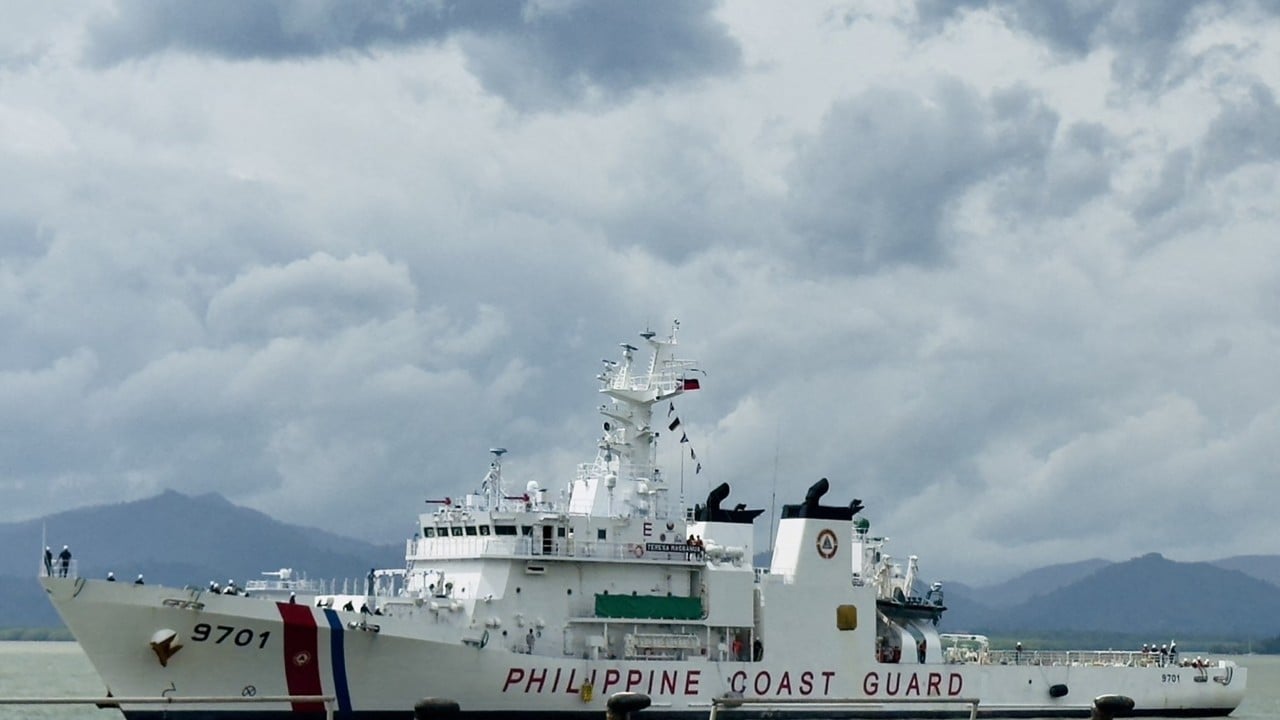
Operating a patrol vessel in contested waters is stressful enough without wondering if your next month of maintenance will get canceled. Right now, the Philippine Coast Guard finds itself caught in an awkward trap. Manila keeps expanding the agency's mandate to push back against aggressive maneuvers in the South China Sea, yet lawmakers keep slicing away at critical parts of its budget.
If you look closely at the numbers coming out of recent Senate budget hearings, the disconnect is glaring. Officials are demanding constant patrols, robust supply missions, and active deterrence against foreign encroachment, but the capital outlays tell a different story. When funding takes a massive hit, the math simply stops working.
The Reality of Operating on Empty
Ask any frontline maritime commander what keeps them awake at night, and they won't just talk about gray-hull confrontations or water cannons. They'll talk about maintenance schedules.
The Philippine Coast Guard is running its current fleet ragged. Ships require mandatory overhauls after a set number of operating hours, but when budgets shrink, those maintenance windows get delayed or scaled back. Coast Guard Commandant Adm. Ronnie Gil Gavan recently laid it out bluntly before the Senate, warning that steep cuts to capital outlays and asset acquisition funds will severely compromise operational readiness.
When you only have a handful of major patrol vessels capable of multi-day deployment in rough offshore environments, losing even one ship to chronic mechanical failure creates a massive security vacuum.
Where the Money Actually Goes
Budget debates often get lost in abstract billions, but the operational impact is painfully concrete.
- Capital Outlays: Slashing these funds directly hits the acquisition of new vessels, modern radar systems, and surveillance upgrades.
- Asset Maintenance: Reductions here mean shorter lifespans for existing ships and longer downtime for necessary repairs.
- Personnel and Support Programs: Sustaining morale requires continuous recruitment and proper training pipelines, which also face pressure during funding crunches.
Mission Creep Without the Resources
The strategic shift in Manila is undeniable. Over the past couple of years, the administration has doubled down on a transparency strategy, bringing media along on resupply runs, establishing forward outposts, and publicly documenting every aggressive standoff near features like Thitu Island and Scarborough Shoal.
This posture changed the Coast Guard from a traditional search-and-rescue service into a front-line maritime security force. But responsibilities don't equal capabilities unless they are backed by hard cash. You cannot project continuous presence with empty fuel tanks and aging hulls. While allies like the United States, Japan, and India offer varying degrees of capacity-building support and training, the day-to-year operational burden falls squarely on Manila's fiscal health.
Bridging the Gap
Fixing this mismatch requires more than political rhetoric about standing firm on maritime rights. Lawmakers face a choice. They can either scale back expectations of what a chronically underfunded civilian agency can achieve against a massive, near-permanent maritime militia and coast guard presence, or they can fund the fleet properly.
Until that financial reality aligns with strategic ambition, the crews at sea will continue to bear the brunt of the shortfall, stretching every engine hour and hull plate past standard safety margins just to hold the line.


