The Static on the Line
Somewhere in the quiet, carpeted corridors of Mar-a-Lago, a secure phone chirps. It is a sound that carries the weight of geography. On the other end, thousands of miles away in the Kremlin, the air is cold, the history is heavy, and Vladimir Putin is waiting. When Donald Trump picks up the receiver, the connection creates a bridge over an ocean of sanctions, trench warfare, and nuclear posturing.
This is not a casual check-in between old acquaintances. It is a moment where the personal becomes the geopolitical.
For the average person sitting at a kitchen table in Ohio or a cafe in Kyiv, a phone call is a mundane act of communication. But at this level, words are currency. Every syllable is weighed by intelligence agencies. Every silence is dissected by diplomats. When Trump confirmed he spoke with Putin about the grinding war in Ukraine and the escalating tensions in Iran, he wasn't just reporting a conversation. He was signaling a shift in the tectonic plates of global power.
The Human Cost of a Dial Tone
Consider a soldier in the Donbas. Let’s call him Pavlo. Pavlo doesn’t care about the diplomatic nuances of a "productive" call. He cares about whether the sky will rain artillery tomorrow. For Pavlo, and millions like him, the dialogue between Mar-a-Lago and Moscow is the difference between a ceasefire and a funeral.
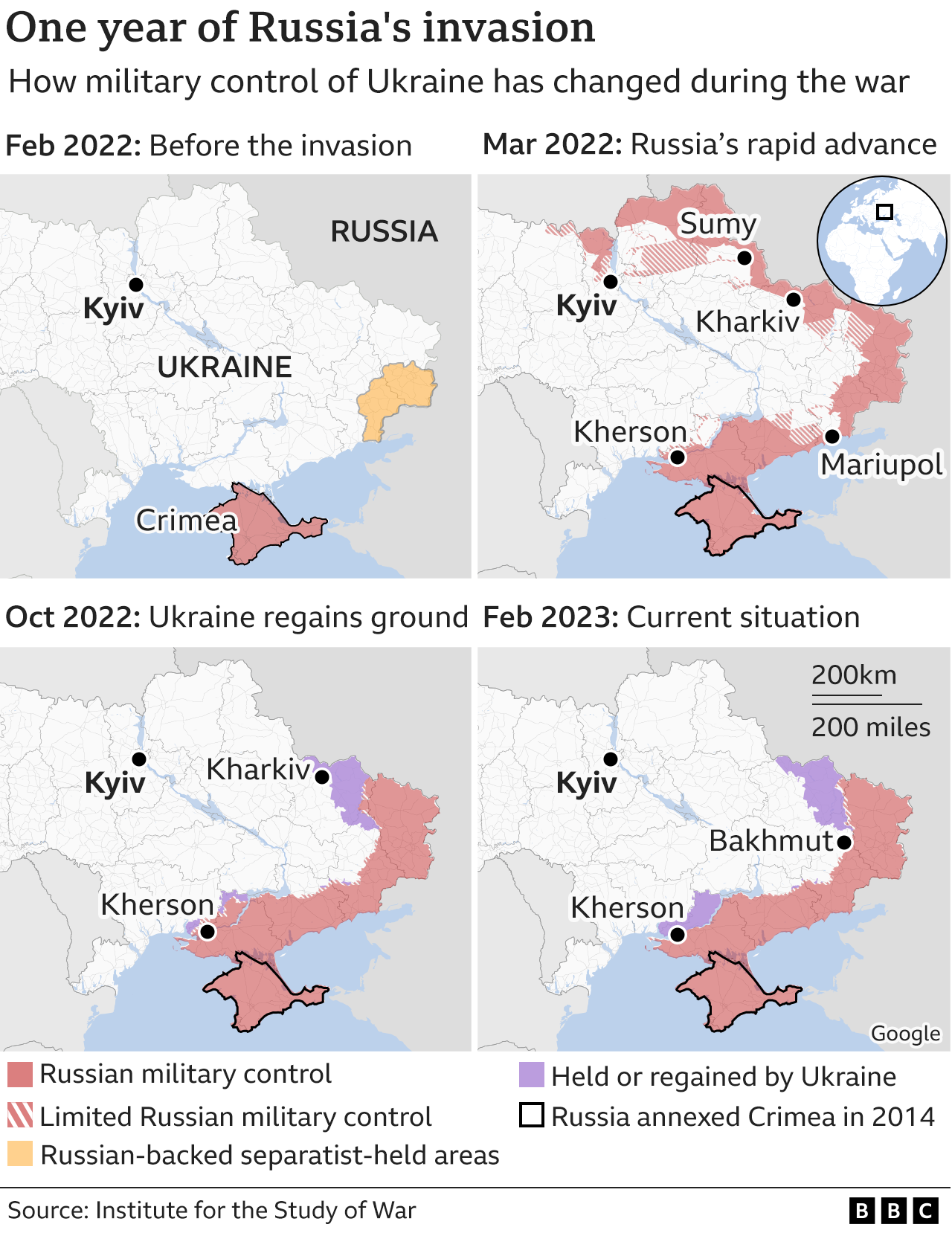
The war in Ukraine has become a stalemate of blood and mud. It is a conflict defined by 20th-century trenches and 21st-century drones. When the American President-elect picks up the phone, he is stepping into a room where the walls are lined with the ghosts of the fallen. Trump’s claim that he can end the war "in twenty-four hours" is a bold, perhaps impossible, promise. Yet, the very act of the call suggests a belief in the power of the individual to bypass the bureaucracy of death.
It is a high-stakes gamble. Diplomacy usually moves at the speed of a glacier. It involves sub-committees, white papers, and endless rounds of "pre-talks." Trump prefers the lightning strike. He bets on the chemistry of the room—or in this case, the chemistry of the line.
The Iranian Shadow
The conversation didn't stop at the borders of Europe. It drifted south, to the parched landscapes of the Middle East. Iran remains the wild card in this deck. With its proxy wars and its nuclear ambitions, Tehran is a puzzle that both Washington and Moscow are trying to solve, albeit with very different desired outcomes.
Russia and Iran have grown closer out of necessity. They are the outcasts of the Western financial system, huddled together for warmth in the cold shadow of sanctions. If Trump is talking to Putin about Iran, he is poking at the seams of that alliance. He is looking for the leverage point.
Think of it as a game of three-dimensional chess played in a dark room. One move in Ukraine affects the positioning in the Persian Gulf. A concession in one theater might buy a breakthrough in another. The risk is that in trying to move the pieces so quickly, the whole board might be knocked over.
The Invisible Stakes
We often talk about these events in terms of "national interests" or "strategic objectives." Those are cold, hollow words. They strip away the reality of what is happening. The real stakes are the families in Tehran wondering if their economy will collapse under a new wave of "maximum pressure." They are the parents in Moscow wondering if their sons will be the next to disappear into the Ukrainian winter.
The vulnerability of this moment is palpable. We are watching a return to Great Power politics, a style of leadership that feels like a throwback to the days of Yalta or Potsdam. It is a world where two men can decide the fate of nations over a secure line while the rest of us watch the signal bars on our own phones, waiting for the news to break.
The complexity is staggering. How do you balance the sovereignty of a nation like Ukraine against the desire for a global peace that stops the bleeding? There are no easy answers. Only hard choices and the static of a long-distance connection.
The Architecture of the Deal
Trump’s approach relies on a specific kind of intuition. He views the world not as a series of ideological battles, but as a series of deals. In his mind, every leader has a price, a pressure point, or a vanity that can be stroked.
But Putin is a man of a different cloth. He is a product of the KGB, a student of history who views the collapse of the Soviet Union as a tragedy to be rectified. He plays a long game. He uses the phone call to gauge the resolve of his opponent. He listens for the cracks in the Western alliance.
When these two styles clash—the brash, transactional energy of the American developer and the cold, calculated patience of the Russian operative—the result is unpredictable. It is a chemical reaction that could lead to a breakthrough or an explosion.
The Echo in the Room
As the call ends and the line goes dead, the echoes of that conversation begin to ripple outward. They hit the stock markets in London. They trigger emergency meetings in Brussels. They cause a momentary hush in the bunkers beneath Kyiv.
We live in an era where the "human element" is often buried under data points and algorithmic predictions. But this phone call reminds us that history is still made by people. It is made by the tone of a voice, the phrasing of a threat, or the sincerity of a promise.
The world is currently a very loud place. It is filled with the roar of rockets and the shouting of pundits. Yet, some of the most significant moments happen in the relative quiet of a private conversation. We aren't in the room. We don't hear the breathing or the hesitations. We only see the aftermath—the slow, heavy movement of history as it shifts to accommodate the words spoken between two men who hold the world's temperature in their hands.
The receiver is back on the hook. The silence that follows is not a peace. It is a breath held, waiting to see what happens when the words turn into action.