Planting 840,000 trees to restore 607 hectares of Brazil's Atlantic Forest sounds like a slam-dunk climate win. Honestly, though, tree counts alone don't build a working ecosystem.
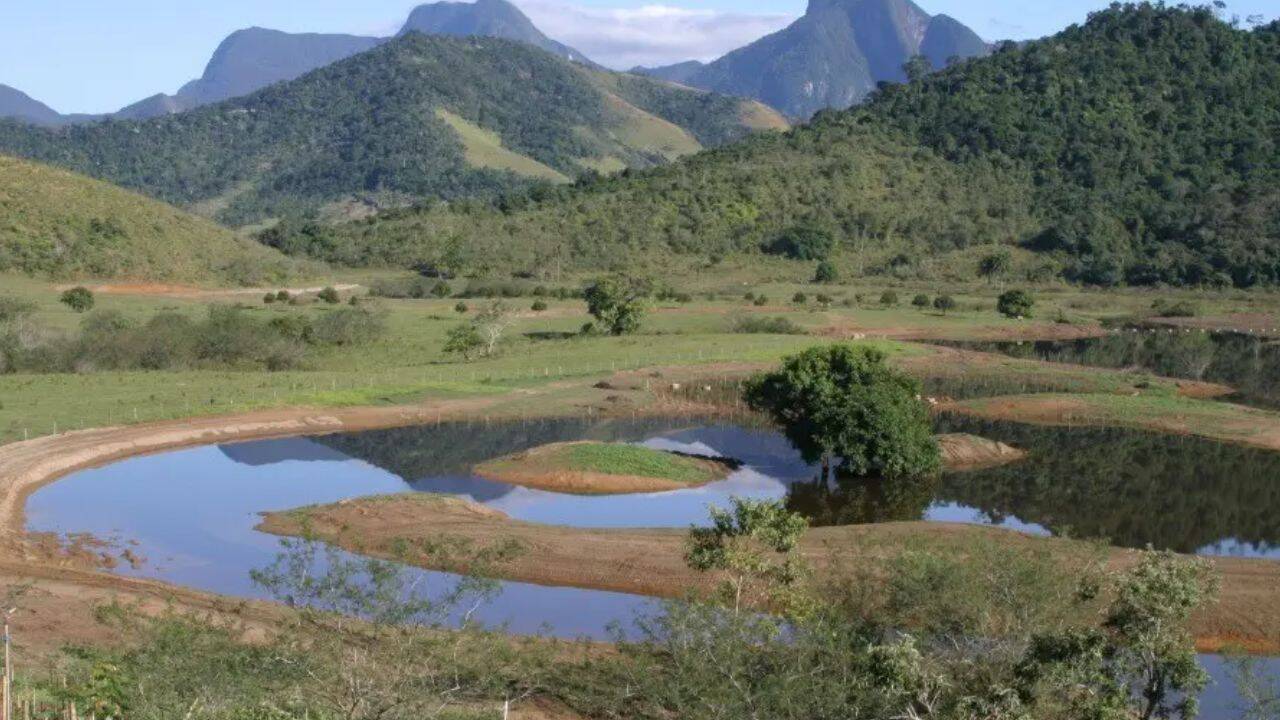
What actually matters is what those trees connect, which species show up once the canopy closes, and whether water keeps flowing downstream when dry spells hit. In southeastern Brazil, conservation groups like the Guapiaçu Ecological Reserve (REGUA) and the World Land Trust have spent over two decades turning former cattle pastures and scrubland back into living forest across the Guapiaçu watershed in Rio de Janeiro state. Reclaiming 607 hectares—roughly 1,500 acres—with around 840,000 trees reconnects isolated pockets of Atlantic Forest so wildlife, fungi, and plants can actually move again instead of getting trapped in tiny green islands. Also making news recently: The Yanbu Defense Calculus Why French Oil Protection Exposes Gulf Chokepoint Vulnerabilities.
People usually hear "Atlantic Forest" and picture a single giant jungle like the Amazon. It's not. It's a heavily fragmented coastal and mountain biome stretching from Brazil into parts of Argentina and Paraguay, packed with astonishing biodiversity. Estimates vary depending on how forest cover is defined and mapped, with figures ranging from roughly 12.4% to under 24% of its original extent remaining. Either way, most of it is gone, and what's left sits right next to massive cities, farms, and highways.
Why Tree Counts Can Be Misleading
I've seen plenty of conservation headlines treat a big tree number like a finish line. It isn't. More insights regarding the matter are detailed by Associated Press.
A sapling stuck in compacted pasture soil isn't a forest yet. Survival rates, soil recovery, invasive grasses, and multi-species diversity decide whether those 840,000 planted trees grow into a resilient woodland or stall out after year two. Nursery work matters hugely here. At REGUA, staff and rangers gather seeds locally and raise young trees until they're sturdy enough to handle tough conditions, planting during summer rains so roots have moisture to establish.
Even then, counting seedlings planted isn't the same as counting mature trees years later. Serious restoration ecologists look at canopy structure, natural regeneration, and whether native birds and mammals start dispersing seeds on their own. When an animal eats a fruit in one forest patch and drops the seed in a restored corridor, the forest starts doing the heavy lifting itself.
Reconnecting Corridors and Bringing Back Missing Wildlife
When a forest gets chopped into small fragments, wildlife pays the price first. Small, isolated populations lose genetic diversity and face higher risks from disease, fire, or local extinction.
Corridors fix that bottleneck. By stitching together previously separated patches of forest and restoring lowland wetlands in the Guapiaçu area, conservationists have given species room to roam again. Over 220 bird species have been recorded in the restored wetland area, and lowland tapirs—animals that had been absent from Rio de Janeiro state since 1914—have been reintroduced there, with research published in Oryx tracking how early released tapirs adapted toward wild behavior.
Tapirs aren't just cute to spot on camera traps. Because they move through dense brush and eat a wide variety of fruits and plants, they act like walking seed dispersers across shifting habitats. Bringing back top-level seed dispersers helps knit fragmented landscapes together in ways bulldozers and seed packets never could on their own.
Clean Water Is the Real Everyday Payoff
For millions of people living in southeastern Brazil, forest restoration isn't some abstract planetary goal. It shows up in the tap.
The upper Guapi-Macacu watershed feeds water systems serving millions of residents in the greater Rio de Janeiro region. Across the broader Atlantic Forest, river basins like the Paraíba do Sul, Mogi Guaçu, and Iguaçu support huge populations and agricultural zones. Trees and healthy wetlands slow down heavy rain, reduce erosion on slopes, filter runoff, and help buffer streams against both flash floods and dry spells.
That's why modern restoration isn't just about planting rows of trees on empty land. Groups like WWF-Brazil and regional initiatives such as Rio de Janeiro's Forests of Tomorrow program pair ecological recovery with watershed protection, local nurseries, land agreements, and sustainable land use. You can't protect a river basin long-term if neighboring landowners have zero economic reason or practical support to keep trees standing.
What Still Gets Overlooked in Restoration News
Let's be real about the messy parts that quick news summaries skip over:
- Land tenure and ongoing costs: Buying land, leasing parcels, or negotiating management agreements takes years and steady funding. Weeding out aggressive grasses and guarding young trees takes years of maintenance after planting day.
- Different definitions of "restored": One project might measure active seedling planting, another tracks natural regrowth on protected land, and another counts hectares under formal conservation agreements. Mixing those numbers together creates confusion.
- Climate pressure on young groves: Shifting rainfall patterns and hotter dry spells test newly planted trees before their root systems reach deep water.
None of this means the 840,000-tree milestone doesn't matter. It's a real achievement built over more than twenty years of patient, unglamorous work. It just means the real test happens over decades, not press cycles.
Practical Ways to Evaluate and Support Real Restoration
If you follow conservation news, donate to environmental projects, or want to support Atlantic Forest recovery meaningfully, skip the flashy pledges and look closer at how the work runs:
- Check multi-year maintenance, not just tree totals: Ask whether a project funds follow-up care, invasive species control, and native species diversity rather than one-off planting events.
- Look for landscape connectivity: Projects that link existing forest fragments, protect headwaters, or restore wetlands usually deliver far stronger biodiversity and water benefits than isolated plots.
- Read scientific and regional reporting alongside charity updates: Pairing organization reports with peer-reviewed studies—such as reintroduction and ecology papers in Oryx—and regional watershed programs gives you a much clearer picture of what's actually working on the ground.