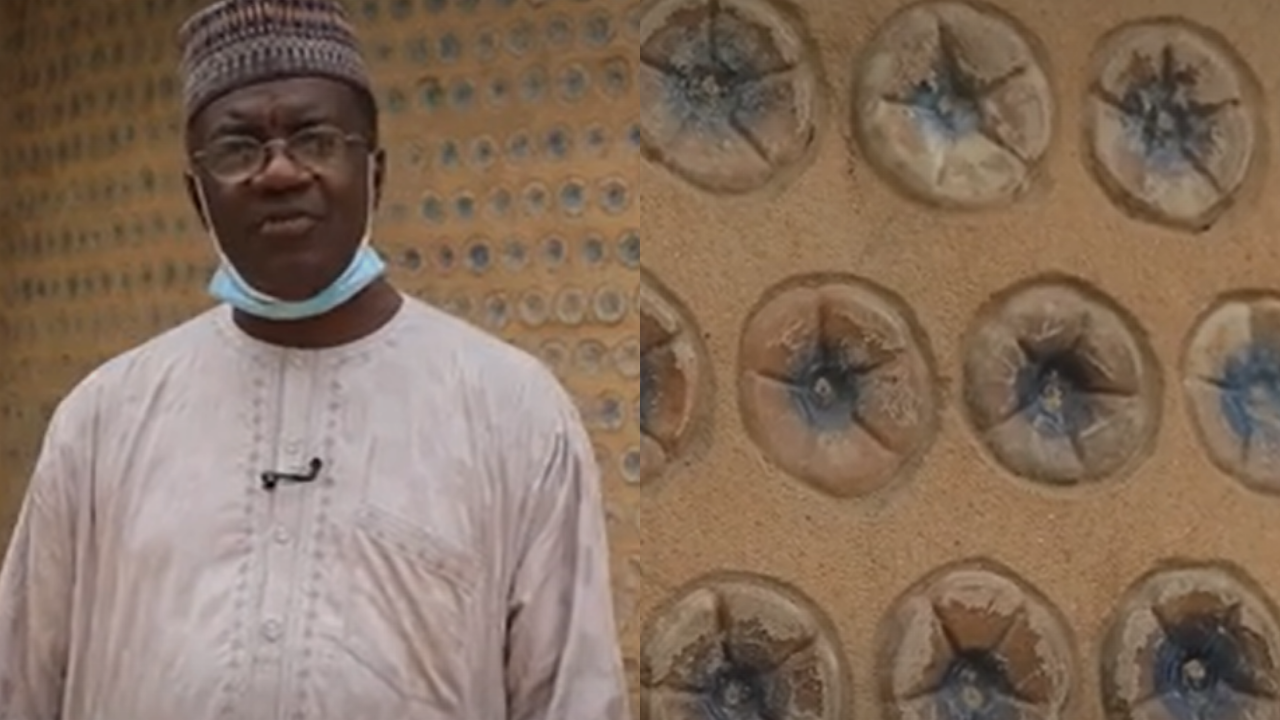
Every few years, a viral story resurfaces about an ingenious engineer building a house out of discarded plastic bottles. The headlines scream about eco-friendly triumph, low-cost housing, and recycling miracles. We love the imagery. It feels poetic. We take trash, stuff it with sand, stack it with mud, and suddenly we have a five-bedroom duplex.
It is a fairy tale. And it is actively dangerous.
I have spent two decades watching well-meaning activists and naive developers champion low-tech waste-upcycling in construction. I have watched millions of grant dollars vanish into structurally compromised vanity projects while real housing crises go unsolved. The lazy consensus says that if a material exists for free, turning it into a wall is a win for sustainability. That logic ignores every fundamental rule of structural engineering, material science, and public health.
Stop romanticizing garbage architecture.
The Structural Delusion
Let us look at the mechanics. A polyethylene terephthalate (PET) bottle filled with sand or dirt has compressive strength, sure. Stack enough of them vertically within a mortar matrix, and you can support a roof. But buildings do not just experience dead weight straight down. They face lateral loads. They face wind shear, seismic activity, thermal expansion, and ground settling.
PET plastic is smooth. Mortar does not bond chemically or mechanically to the slick exterior of a beverage bottle. Under sustained vibration or minor seismic shifts, those bottles act like a collection of tiny ball bearings trapped inside a brittle concrete grid. The shear strength of a bottle-wall system is close to zero. When a wall built this way fails, it does not crack predictably. It shatters catastrophically.
Proponents point to structures standing for a decade as proof of durability. A decade is nothing in real estate. Buildings are meant to endure for generations. Expose a PET bottle wall to thirty years of seasonal freeze-thaw cycles, or the relentless UV radiation that penetrates inferior render coats, and the plastic degrades. Micro-fractures form. The structural integrity evaporates. You are not building a legacy home. You are building a slow-motion collapse waiting for a strong wind.
The Thermal Lie
Another favorite talking point of the bottle-house brigade is insulation. The claim goes that air trapped inside empty or sand-filled bottles creates a thermal barrier, keeping interiors cool in the tropics and warm in temperate zones.
This claim fails basic thermodynamics.
An unsealed or loosely packed bottle permits convective air currents internally, transferring heat rather than blocking it. If you fill the bottle with sand to give it weight, you destroy its insulating value entirely. Dense sand has a high thermal mass, meaning it absorbs daytime heat and radiates it straight into the living space all night long. You end up with an oven disguised as an eco-haven. Real insulation requires trapped, stagnant air pockets within low-density fibrous or cellular matrices, like expanded polystyrene, mineral wool, or specialized foams. A stack of soda bottles is a thermal bridge, not a thermal break.
The Toxic Underbelly
What happens when a bottle house catches fire?
PET melts at around 260 degrees Celsius and ignites at higher temperatures, dripping molten, flaming plastic that burns with a toxic, acrid black smoke laden with antimony and other heavy metals used as catalysts during manufacturing. In standard construction, building codes mandate fire-rated assemblies to give occupants precious minutes to escape. A wall system made of thousands of fuel cells encased in thin mud plaster offers zero fire resistance. Once the plaster cracks from the initial heat, the internal fuel source ignites, turning the entire structure into a chimney.
Then there is the issue of chemical leaching and hygiene. Bottles collected from landfills or roadsides often retain organic residues, sugars, or chemical films. When embedded in damp mortar and subjected to internal condensation cycles, these residues breed mold, fungi, and bacteria. The interior microclimate of a poorly sealed bottle wall is a petri dish. You are housing families inside their own refuse, exposing them to respiratory hazards that far outweigh the dubious psychological comfort of living in recycled trash.
The Scalability Fallacy
Even if we ignore the physics, the safety, and the chemistry, the math of bottle construction does not scale.
A standard three-bedroom home requires tens of thousands of bottles. The labor required to clean, sort, fill each bottle with dry sand to an exact weight, tie them together, and mortar them into plumb walls is astronomical. Human labor is not free. When you factor in the man-hours needed to construct a single bottle-house duplex, the actual cost per square meter often exceeds traditional masonry using locally sourced stabilized earth blocks or compressed soil.
We romanticize low-tech bottle building because it salms our collective guilt about plastic waste. It lets consumers feel like their daily addiction to single-use beverage containers is somehow a civic contribution to housing development. It shifts the burden of industrial pollution onto the poorest populations, asking them to live in our garbage under the guise of grassroots innovation.
Real housing solutions require industrial standardization, predictable material science, and regulatory oversight. If you want to solve the plastic crisis, stop producing single-use bottles. If you want to solve the housing crisis, invest in modular prefabrication, rammed earth technology, and durable local masonry.
Stop building houses out of trash. People deserve better than a landfill with a roof.


