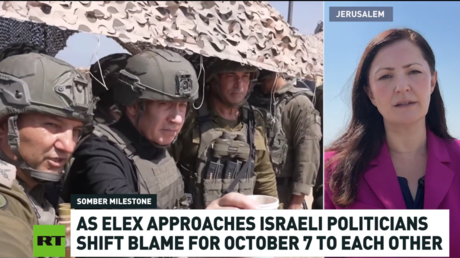
Elections arrive under the heavy shadow of national trauma. Political maneuvering in Israel continues to accelerate as the anniversary of the October 7 attacks forces a brutal reckoning over security failures, intelligence gaps, and leadership accountability. The rush to assign blame has become the defining feature of the current political climate, shaping campaigns long before voters cast their ballots. Prime Minister Benjamin Netanyahu faces intense scrutiny from a public demanding answers regarding how the state security apparatus failed so catastrophically. Meanwhile, opposition factions seek to capitalize on the widespread discontent, framing the upcoming election as a referendum on governance and national security competence.
Veteran analysts tracking the region understand that this is not merely a standard political dispute over taxation or infrastructure. This is an existential debate about state survival and institutional trust. The social contract between the Israeli citizenry and the military-intelligence complex suffered a severe fracture on that autumn day. When citizens feel the state failed in its primary duty to protect them, the political repercussions echo for generations. Every speech, policy announcement, and parliamentary maneuver now operates within the framework of this ongoing security audit.
The Anatomy of Accountability
Accountability in a parliamentary democracy rarely happens cleanly. The military leadership and intelligence agencies moved quickly in the months following the attack to accept institutional responsibility, acknowledging missed warnings and operational complacency. Yet, civilian leadership has navigated the terrain of culpability with far more resistance. Prime Minister Netanyahu has consistently deflected direct personal blame, pointing instead toward systemic failures across multiple administrations and intelligence branches over the span of a decade.
This refusal to accept primary responsibility has created a deep polarization among the electorate. For staunch supporters, national unity during wartime supersedes retroactive investigations, and changing leadership mid-crisis risks strategic instability. For critics, delaying a full and independent state commission of inquiry amounts to political self-preservation at the expense of democratic integrity. The debate has paralyzed standard legislative processes, turning every committee hearing into a proxy war over historical legacy.
Intelligence Failures and Groupthink
Understanding the current political friction requires examining the operational environment that preceded October 7. Decades of technological superiority fostered a dangerous reliance on electronic surveillance and border barrier automation. Analysts point to a systemic failure of imagination within military intelligence, where the prevailing assumption held that Hamas was contained, deterred, and primarily focused on economic governance in the Gaza Strip rather than a multi-pronged invasion.
This institutional hubris filtered upward to political decision-makers who wanted to believe the southern border was secure. When intelligence officers noted unusual training exercises or communication shifts among militant groups, those signals were frequently filtered through the lens of institutional bias. The absence of tactical imagination meant that even when fragmentary warnings surfaced, they failed to trigger the necessary defensive posture. In the current election cycle, voters want to know how such profound institutional groupthink went uncorrected by civilian oversight.
The Domestic Front and Social Cohesion
Beyond the halls of the Knesset, the societal impact of the blame game cuts deep into the fabric of daily life in Israel. Families of hostages, reservists who served months on multiple fronts, and displaced communities from both the southern and northern borders demand a voice in the national recovery. These groups often find themselves at odds with traditional political loyalties, forming grassroots movements that prioritize the return of captives and the restructuring of national defense over partisan loyalty.
This grassroots mobilization has changed the tone of political rallies and town halls. Demonstrators do not merely wave party banners; they carry pictures of hostages and placards demanding structural reform. The traditional left-right political spectrum has temporarily blurred, replaced by a fault line dividing those who trust existing governance structures and those who view the entire political establishment as fundamentally broken. Political parties that fail to address this fundamental shift risk severe alienation at the ballot box.
Regional Realities and Global Pressures
Domestic political survival does not happen in a vacuum. The internal debate over responsibility and election timing unfolds against a backdrop of escalating regional tensions involving Lebanon, Iran, and international judicial bodies. Foreign allies watch closely, balancing public statements of support for Israel's right to self-defense with private anxieties regarding the long-term political trajectory of the current government.
International pressure regarding humanitarian aid, post-war governance for the Gaza Strip, and the stalled diplomatic track toward a wider regional framework further complicates the electoral landscape. Opposition leaders argue that the current government's domestic political vulnerabilities prevent it from making the difficult strategic compromises required for long-term stability. Conversely, the ruling coalition paints any concession or willingness to alter course under foreign pressure as a sign of weakness that endangers the nation.
The Path Forward
As campaigns gain momentum, the central question remains whether an election can serve as a legitimate mechanism for national healing or if it will merely codify existing divisions. Historical precedents suggest that major systemic shocks often lead to significant political realignments, though rarely immediately. The immediate aftermath tends to produce entrenchment rather than reflection.
The accountability process will likely extend far beyond a single voting cycle. Independent judicial inquiries, journalistic investigations, and internal military reviews will continue to release findings that challenge official narratives. Political survival in this climate requires more than strategic messaging or short-term coalition building; it demands an honest reckoning with the systemic vulnerabilities that allowed the tragedy to occur. The electorate is watching, and the patience for deflection is wearing thin.


