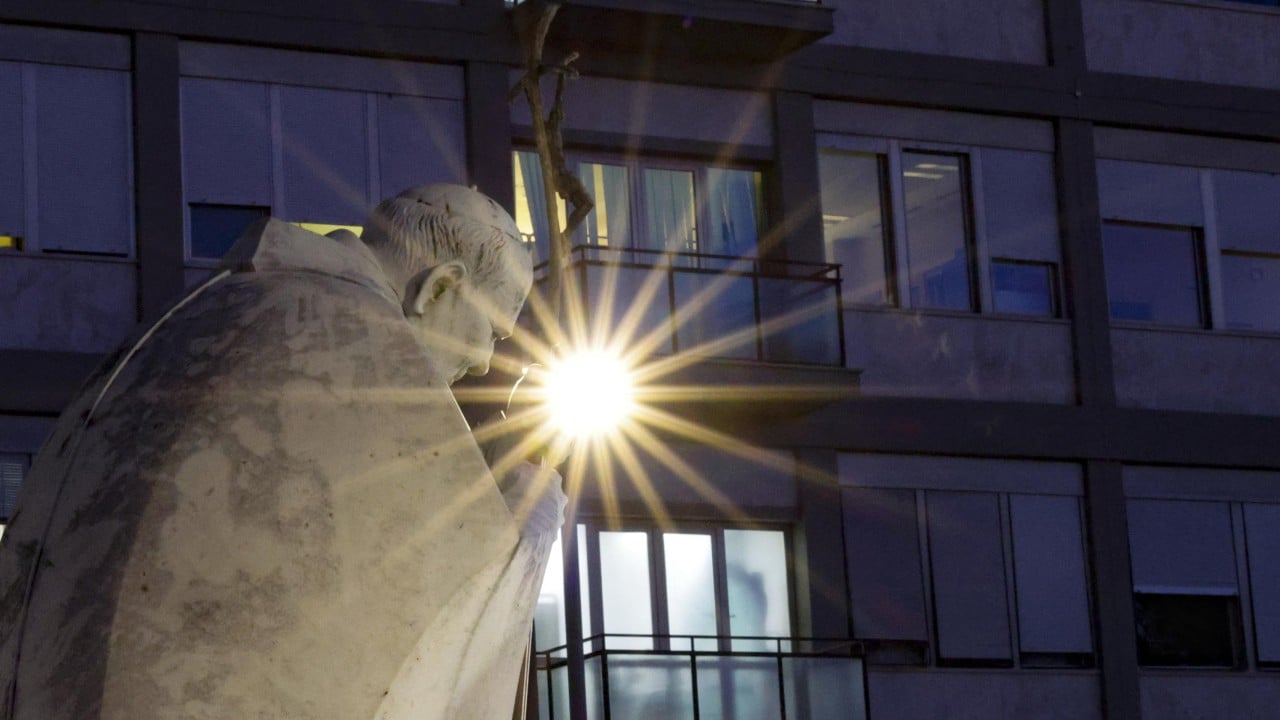
Pope Leo XIV had part of his lung removed after a lung cancer diagnosis, and honestly, the speed of his recovery stunned a lot of people watching the Vatican. Doctors at Rome's Gemelli University Hospital removed the lower lobe of his right lung in October 2026. The procedure confirmed lung adenocarcinoma.
A single nodule caught early turned into a 90-minute operation, a quick discharge, and a South American trip just weeks later.
Most coverage stops at the headline drama. A 71-year-old pontiff facing cancer sounds terrifying on paper. Yet his case highlights two huge realities about modern thoracic oncology: small, localized lung nodules often show zero symptoms, and removing a lobe early can beat back the disease before systemic therapy is even needed.
What Happened During the Operation and Recovery
Vatican statements and medical reporting laid out a remarkably brisk timeline. Preoperative tests pointed toward a suspicious spot before surgery, and tissue analysis during the operation confirmed lung adenocarcinoma, the most frequent type of lung cancer.
Leo spent roughly three hours in the operating room, with the surgical resection itself taking about 90 minutes. Surgeons took out the lower lobe of his right lung without complications. Instead of staying a full week as initially anticipated, he returned to the Vatican in a matter of days after doctors saw how fast he was bouncing back.
That quick turnaround isn't magic. Minimally invasive surgical approaches and tight post-op care let many patients walk and eat normally within days when the tumor is small and caught early. Still, people often confuse "out of the hospital fast" with "totally cured overnight." Surgeons also evaluate nearby lymph nodes and pathology details to figure out staging and whether additional treatments—like chemotherapy, immunotherapy, or targeted oral pills—are warranted. According to reporting on the pontiff's medical updates, no further cancer treatment was deemed necessary beyond routine check-ups.
Why Pope Leo Lung Cancer Surprised So Many Observers
For decades, public assumptions around lung cancer have been narrow and, frankly, unfair. People still picture a lifelong heavy smoker coughing up blood. When a high-profile 71-year-old figure without respiratory complaints gets diagnosed, people call it a shock.
Medical experts note that lung cancer in people who don't smoke isn't as rare as folks assume. Adenocarcinoma frequently appears in the outer regions of the lungs and affects both never-smokers and former smokers. Risk factors extend well beyond cigarettes to air pollution, secondhand smoke, workplace or environmental exposures like asbestos, age, and underlying genetic mutations.
A silent spot found on imaging can feel like a plot twist, yet catching a small tumor before symptoms start is often the best break a patient gets.
Another surprise lies in how lung nodules get discovered in the first place. Many pulmonary nodules turn up as "incidental findings" when someone gets a scan for an infection, chest issue, or unrelated checkup. If a small lesion sits higher or in a tricky spot, standard imaging can miss it early. Modern diagnostic tools—including robotic bronchoscopy systems and high-resolution CT scans—help doctors sample suspicious spots and check lymph nodes more accurately than older methods.
Vatican Transparency vs. Past Papal Secrecy
Historically, the Vatican has had a complicated relationship with papal health news. Sometimes updates were guarded or delayed until a crisis forced the issue. Here, Leo spoke openly to crowds about the nodule before surgery and allowed clear updates afterward—even while staying in a nearby room at Gemelli because the traditional papal suite on the 10th floor was undergoing renovations.
Honestly, that candor matters more than people realize. Rumors fill every vacuum when institutions get cagey. When leaders share plain medical facts—what was removed, what the pathology showed, and what follow-up looks like—public trust stays steadier.
At the same time, public health headlines can flatten complex medicine into soundbites. A successful lobectomy is great news, especially when a 71-year-old leader can travel to Latin America in November without clinical roadblocks. Yet lung cancer care isn't a one-size-fits-all story. Two patients with adenocarcinoma can have wildly different staging, biomarker profiles, and long-term surveillance plans depending on node involvement and cell characteristics.
Practical Steps If You or Loved Ones Face a Lung Nodule
Watching a public figure recover quickly can make lung cancer feel less overwhelming, which is good. Still, don't treat a celebrity recovery as a personal medical blueprint. If you or someone in your family gets told there's a spot or nodule on a lung, take a calm, structured approach:
- Ask specific questions about the scan. Find out the nodule's size, location (such as upper vs. lower lobe), and whether it looks solid, part-solid, or ground-glass.
- Clarify the diagnostic plan. Ask whether the doctor recommends watch-and-wait repeat imaging, a biopsy or robotic bronchoscopy, or surgical removal.
- Request full pathology and staging details if cancer is found. Ask about lymph node status, tumor stage, and molecular or biomarker testing, since those results guide whether surgery alone is enough or systemic therapy makes sense.
- Plan for recovery and ongoing surveillance. Even after a smooth procedure and clear pathology, regular follow-up scans and check-ups remain standard practice to monitor long-term lung health.
- Reduce controllable exposures. If you smoke, quitting is the single highest-impact step you can take, alongside cutting down exposure to secondhand smoke and indoor or outdoor air pollutants where possible.
For broader reference on lung cancer types, screening, and treatment paths, check trusted medical resources like the American Cancer Society or the National Cancer Institute, and bring your specific scan reports straight to your pulmonologist or thoracic oncology team.
Vatican Confirms After Lung Lobe Removed In Surgery
This video directly covers the Vatican's confirmation of Pope Leo XIV's lung cancer diagnosis following the removal of a lobe of his right lung.