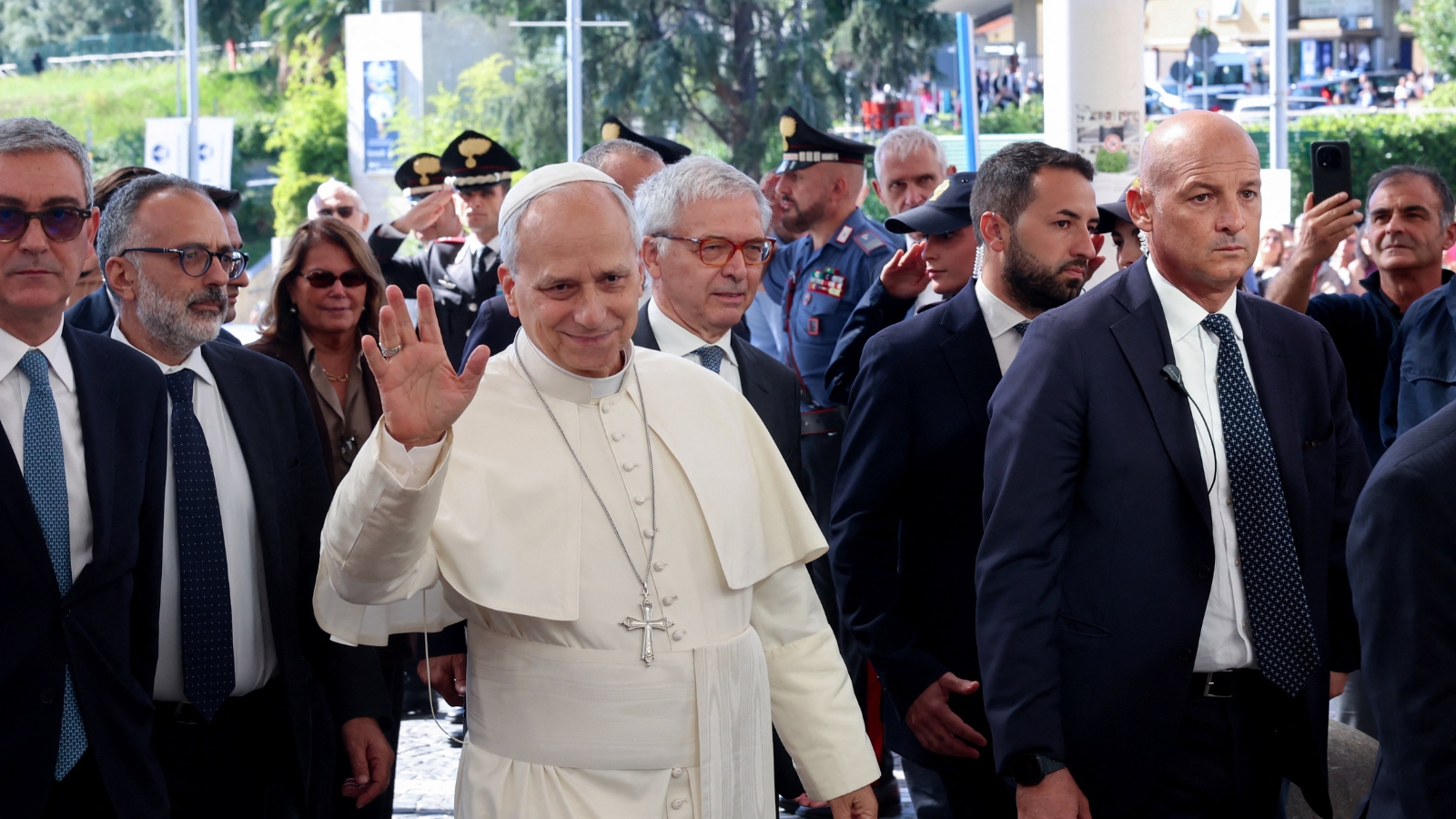
Pope Leo XIV walked into Rome's Gemelli Hospital on foot, waved to well-wishers, and told the world he was having a lung nodule removed. That level of candor isn't just unusual for the Vatican. It's a quiet revolution.
When Pope Leo XIV was diagnosed with lung cancer following his October 13, 2026 surgery, the news sent a shockwave through the Catholic Church. Yet within days, his doctors—personal physician Dr. Luigi Carbone and surgeon Dr. Stefano Margaritora—confirmed the cancer hadn't spread and that no further treatment like chemotherapy or radiation was necessary after removing the lower lobe of his right lung. Even more striking, by November 2026, the 71-year-old pontiff was already completing a grueling South American tour across Uruguay, Argentina, and Peru. Recently making waves in related news: Why Pennsylvania Measles Deaths Keep Climbing After Losing Elimination Status.
Honestly, anyone following papal history knows how easily this story could've been spun into weeks of vague press releases and whispered rumors. Instead, Leo XIV handled a serious health scare with brisk, matter-of-fact transparency.
Why Pope Leo XIV's Lung Cancer Diagnosis Changed the Vatican Playbook
For decades, papal illness was treated like a state secret. Historians still recall how tightly wrapped information was during the final stretches of past pontificates, where official bulletins often softened harsh realities until events forced the Vatican's hand. Additional details on this are detailed by Psychology Today.
Leo XIV took a different route. Ahead of his operation, he openly shared that doctors had spotted a lung nodule that needed surgical removal. Once pathology confirmed adenocarcinoma—a common form of lung cancer—the Vatican didn't hide behind euphemisms. They named the diagnosis, explained the lobectomy (removing the lower lobe of the right lung to ensure complete removal), and gave clear post-operative updates.
That shift matters because it changes how people interpret church leadership during medical crises. When a leader speaks plainly about scans, surgery, and recovery, rumors have less room to fester.
A Different Style Under Pressure
Church observers have pointed out that Leo XIV's background and governing style shape how he approaches crises. Rather than waiting until a hospital transport becomes unavoidable, he walked into Gemelli Hospital on October 13, 2026, greeted staff, and left four days later—ahead of the week-long stay initially expected.
Family context likely sharpened his urgency, too. With cancer touching his own family—including his brother undergoing treatment for blood cancer—acting quickly on a suspicious lung spot wasn't an abstract medical decision. It was personal.
What Removing a Lung Lobe Actually Means
Hearing that a pope had part of his lung removed sounds alarming. It's a major thoracic operation. Still, in oncology, catching a localized nodule early and performing a lobectomy is often both diagnostic and curative.
Here's what typically happens in cases like this:
- Targeted removal: Surgeons remove the affected lobe of the lung—in Leo XIV's case, the lower lobe of the right lung—along with nearby tissue or lymph nodes sampled for testing.
- Pathology staging: Examining the removed tissue tells doctors what type of cancer it is (such as adenocarcinoma) and whether it has spread beyond the site.
- No extra therapy needed: When margins are clear and there's no sign of spread, oncology teams frequently advise no adjuvant chemotherapy or radiation, relying instead on structured follow-up scans.
Of course, "no further treatment necessary" doesn't mean zero vigilance. Routine monitoring remains essential because early-stage lung cancers still require long-term surveillance. And recovering from thoracic surgery takes real stamina, especially when your job involves public appearances, long flights, and high-altitude travel like parts of South America.
What People Get Wrong About Lung Cancer and Travel After Surgery
A lot of assumptions float around whenever a high-profile figure is diagnosed with lung cancer. Let's clear up a few common ones.
First, people still assume a lung cancer diagnosis automatically means an immediate, grim prognosis or months of grueling treatment. That's outdated. Low-dose CT screening and prompt surgical evaluation have shifted outcomes dramatically for localized nodules found early. When a tumor is small and contained, surgery alone can be enough.
Second, critics wondered whether Leo XIV was pushing too hard by embarking on his November 6–17, 2026 trip to Uruguay, Argentina, and Peru less than a month after surgery. Medical teams don't clear post-lobectomy patients lightly—especially for multi-stop travel involving flights and altitude changes. Doctors focus on oxygenation, pacing, fatigue management, and rest windows. If a patient hits recovery milestones and gets medical clearance, resuming active work isn't reckless; it's often part of rebuilding normal rhythm.
At the same time, let's be honest about the limits of public updates. Even with more transparent communication, outside observers don't see every private scan or clinical note. Age—71 is no spring chicken—and the physical toll of major chest surgery mean energy fluctuations are normal, even when headline news is encouraging.
Practical Steps When Navigating a Lung Nodule or Cancer Scare
Whether you're reading about a public figure or dealing with a scary scan in your own family, a few practical moves make a real difference:
- Ask specific questions about staging and margins. If a lung nodule is biopsied or removed, find out the exact cell type, whether lymph nodes were checked, and whether surgical margins were clear.
- Clarify what "no further treatment" entails. Confirm the exact schedule for follow-up CT scans or check-ups so routine surveillance doesn't slip through the cracks.
- Plan recovery around energy, not pride. After lung surgery, deep breaths, gentle walking, and built-in rest matter way more than sticking to an ambitious schedule right away.
- Track symptoms between appointments. Keep a simple log of shortness of breath, unusual fatigue, chest discomfort, or persistent cough to share with the care team.
For authoritative background on lung cancer types, screening, and recovery, check resources from the American Cancer Society and the National Cancer Institute.
BBC News coverage of Pope Leo's lung cancer diagnosis and surgery
This video adds useful context by showing the Vatican's initial announcement and reporting on the removal of the lower lobe of Pope Leo's right lung.