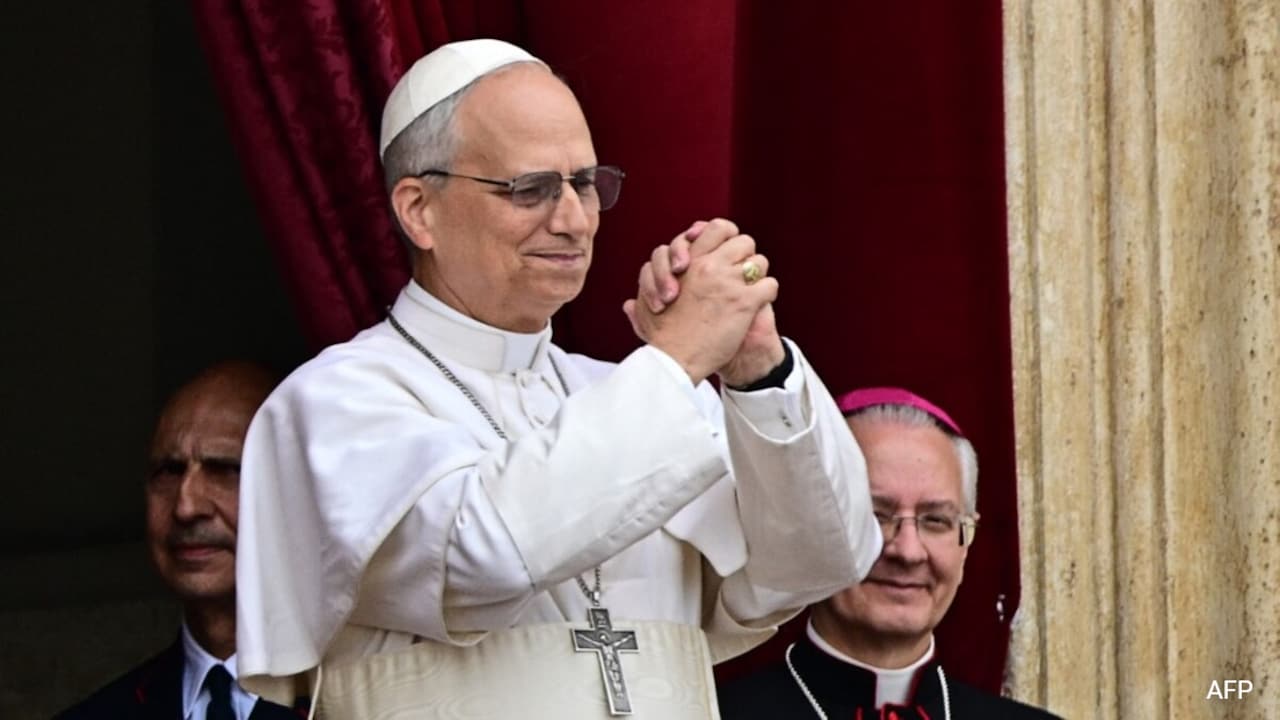
Pope Leo XIV is back at the Vatican, moving at a pace that would make plenty of seventy-year-olds tired—let alone someone who had part of a lung removed just weeks ago. On October 13, 2026, surgeons at Rome's Gemelli Hospital removed the lower lobe of his right lung after discovering a cancerous tumor. By October 17, he was out of the hospital. By October 18, he was leading the Sunday Angelus prayer back home. And by November, he was boarding flights for an intense South American swing through Uruguay, Argentina, and Peru.
Honestly, when a headline says a pope bounced back from cancer surgery, the first instinct is to wonder what's not being said. Vatican medical bulletins have a long history of smoothing rough edges. Yet in this case, the clinical details are unusually straightforward. Doctors confirmed the tumor was localized lung adenocarcinoma, removed it surgically, and stated no further cancer treatment like chemotherapy or radiation was needed.
That rapid return matters for two big reasons. First, it shifts the immediate worry about papal health and governance that shadowed the end of Pope Francis's life. Second, it puts a spotlight on early detection and thoracic recovery in a way that actually feels grounded rather than overly polished.
How Pope Leo Caught and Cleared the Tumor So Fast
Here's what surprises most people about the diagnosis: there were no warning symptoms. Pope Leo XIV, who turned 71 and became the first U.S.-born pontiff in May 2025, felt fine when doctors spotted a shadow on his lung during a routine checkup. No chronic cough, no sudden breathlessness, no dramatic collapse. Just a routine scan catching something early.
Lead thoracic surgeon Dr. Stefano Margaritora and personal physician Dr. Luigi Carbone later confirmed that histological and molecular testing showed the cancer was localized. Lung adenocarcinoma is the most common form of lung cancer, and when caught while still confined to a single lobe, surgical resection can be curative on its own without follow-up oncology therapy. That's why doctors cleared him to skip extra treatments and saw no clinical roadblock to his November travel plans.
Still, a four-day hospital stay after a lobectomy sounds shockingly fast. Most patients spend longer in the hospital, even with modern minimally invasive video-assisted or robotic techniques. Being a head of state obviously brings round-the-clock monitoring, physical therapy, and tailored care. At the same time, his baseline fitness helped. Before the surgery, he was known for staying active—including playing tennis—and he started walking and respiratory exercises the very next day.
Early detection did the heavy lifting here. A shadow caught without symptoms gave surgeons a clean shot before the disease could spread.
That doesn't mean recovery is effortless. After returning from his grueling South American trip in mid-November—a journey that left several members of the Vatican delegation and traveling press corps ill—Leo admitted he wasn't at "100%" yet, though he described himself as "pretty good" and leaned on his usual humor. Anyone who has had chest surgery knows breathing capacity, stamina, and rib or incision soreness take time to settle even after the big milestones are checked off.
Pope Leo Cancer Surgery and the Vatican Power Dynamic
Whenever a pope goes into Gemelli Hospital, observers look past the stethoscope and check the calendar. The Catholic Church has roughly 1.4 billion members worldwide, and the papacy doesn't have a built-in deputy who takes over daily executive authority during an illness. When Pope Francis grew older and frailer ahead of his death in April 2025, repeated hospitalizations kept questions about stamina and succession front and center.
So when Pope Leo XIV faced his first real health scare just over a year into his pontificate, the stakes felt immediate. Even from his hospital bed, he stayed plugged in, including a phone call to Russian President Vladimir Putin urging a ceasefire in the occupied Ukrainian city of Oleshky. Once back at the Vatican, he resumed weekly general audiences in St. Peter's Square and went ahead with a packed South American itinerary featuring multiple flights, helicopter hops, and high-altitude stops.
You don't have to take every Vatican press release at face value to see why this matters. A drawn-out convalescence or a canceled tour of South America would have immediately fueled whispers about a shortened pontificate. Instead, Leo projected energy, jokes, and continuity. As reported by AP and Al Jazeera, his medical team's green light kept his diplomatic and pastoral schedule moving right along.
There's a tension here worth watching, though. Saying your agenda hasn't changed is one thing; pacing a 71-year-old body after losing a lung lobe is another. Even when the Vatican's secretary of state noted that Leo might need to pace his schedule to aid recovery, the pontiff himself insisted his outlook and priorities hadn't shifted. That kind of resolve is inspiring, yet overdoing travel right after major chest surgery carries real fatigue risks.
What This Moment Says About Lung Cancer Myths
One of the best things to come out of the coverage isn't even Vatican politics—it's how plainly doctors pushed back on old assumptions about lung cancer. Plenty of people still picture lung cancer exclusively as a smoker's disease that shows up late with obvious red flags.
In reality, non-smokers get lung cancer—adenocarcinoma is especially common among people with no smoking history—and early-stage tumors frequently cause zero symptoms. As Pope Leo put it after his diagnosis, the news came as a surprise because he felt fine. He also said he hoped sharing his experience would encourage people not to put off checkups or preventive care.
That's a message worth taking seriously, even if you're skeptical of celebrity or high-profile health stories. You don't need VIP hospital access to benefit from paying attention to routine screening guidelines, tracking nagging health changes, or asking your doctor what preventive tests actually make sense for your age and risk profile.
Practical Next Steps for Your Own Health Checkups
If Pope Leo's story makes you rethink how you handle routine care, don't turn it into panic—turn it into a simple checklist for your next doctor's visit.
- Book overdue baseline visits: If you've skipped annual physicals or routine bloodwork because you "feel completely fine," schedule one now. Feeling good doesn't rule out silent issues.
- Ask about targeted screenings: Talk with a primary care doctor about screenings relevant to your age, family history, and exposure history—such as low-dose CT screening if you meet smoking history criteria, or other age-appropriate cancer checks.
- Don't brush off subtle shifts: Pay attention to small changes that linger for more than a couple of weeks, even mild ones that are easy to blame on stress, weather, or aging.
- Respect real recovery timelines: Whether you're bouncing back from surgery, a tough illness, or a grueling travel stretch, give your body time to rebuild stamina instead of treating early relief as full recovery.
Early action gave Pope Leo a remarkably clean turnaround, and the smartest takeaway for the rest of us is simple: don't wait for symptoms to start paying attention.