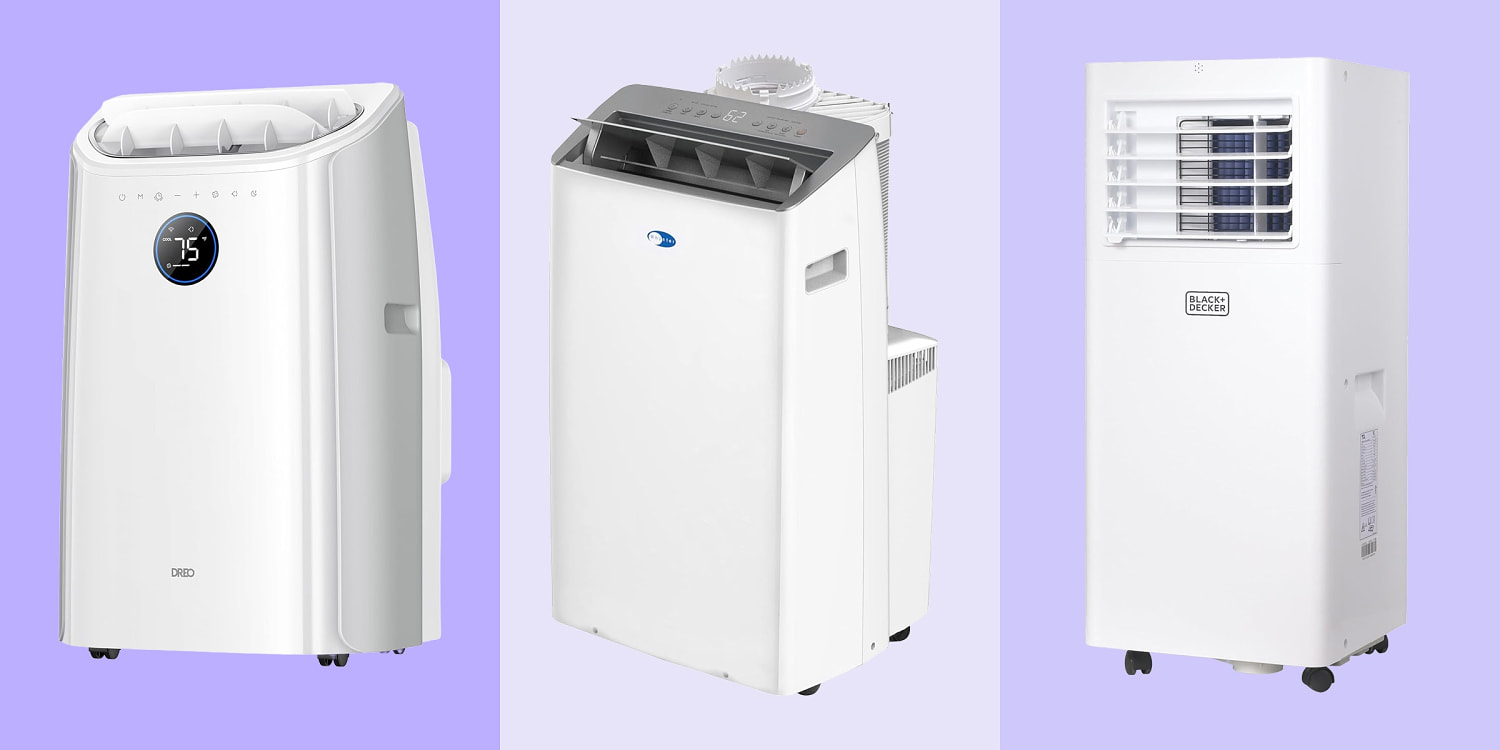
Buying a portable air conditioner is usually an exercise in regret. You unbox a heavy plastic monolith, wrestle with an awkward window accordion kit, plug it in, and realize it barely cools the room while sounding like a jet engine taking off inside your bedroom. Most units struggle because buyers fall for marketing hype instead of looking at the mechanics of portable cooling.
If you want actual relief from a heatwave, you need to ignore the flashy boxes and understand why single-hose designs fail, how BTU ratings lie, and which specific units are worth your hard-earned cash.
The Flawed Physics of Single-Hose Units
The biggest mistake you can make is buying a traditional single-hose portable air conditioner. These machines pull indoor air, run it over internal cooling coils, and blow the chilled breeze back at you. But they also exhaust a massive amount of hot air outside through that single plastic tube.
Where does replacement air come from? It gets sucked in from under doors, through window cracks, and out of wall cavities. This creates negative air pressure inside your room. Hot air from the rest of your house or the outdoors rushes right back in to fill the vacuum. You end up fighting a losing battle against physics.
Dual-hose units fix this mess. Models like the Whynter ARC-14S use one hose to draw outdoor air specifically for cooling the compressor and condenser coils, and a second hose to exhaust it. Because it doesn't expel conditioned indoor air, it cools spaces up to 40 percent faster.
Decoding BTU Ratings Before You Spend Money
Manufacturers love printing massive numbers on the front of air conditioner boxes. You will see labels shouting 12,000 or 14,000 BTU, but those numbers often reflect older ASHRAE testing standards that don't match reality.
Always look for the SACC (Seasonally Adjusted Cooling Capacity) rating mandated by the Department of Energy. A unit rated at 14,000 BTU under old standards might only deliver around 10,000 BTU of actual cooling power under SACC guidelines. If you try to cool a 500-square-foot room with an underpowered machine, it will run continuously, rack up your electricity bill, and never drop the temperature below a sticky 75 degrees.
The Standout Models Worth Your Counter Space
Real-world testing separates the decent appliances from the trash. If you want a unit that delivers on its promises, look at a few proven performers.
The Midea Duo MAP14S1TBL completely changes how single-hose styles perform by using an innovative hose-in-hose layout. It keeps the intake and exhaust separated inside one wider sleeve, stopping hot air leaks while hitting an impressive cooling output that easily handles humid living rooms. It is bulky and weighs roughly 75 pounds, but it runs quietly and cools efficiently.
For a classic dual-hose setup, the Whynter ARC-14S remains a heavyweight champion. It cools rooms up to 500 square feet without creating that frustrating negative pressure loop.
If you are dealing with a cramped home office or a tight bedroom footprint, smaller machines like the SereneLife SLPAC10 offer lighter builds and narrower window inserts that do not block all your natural light. They lack the raw power of larger inverter models, but they fit spots where heavy units simply won't go.
Avoiding Setup Mistakes That Ruin Performance
Even the best portable AC will fail if you set it up wrong. Keep your exhaust hose as short and straight as possible. Every bend, loop, or unnecessary yard of plastic tubing traps heat and forces the compressor to work harder.
Insulate the exhaust hose if you can. Those plastic accordion tubes act like radiators, pumping heat right back into your cooled room before it reaches the window. Wrapping the hose in a cheap insulating sleeve makes a noticeable difference in cooling speed.
Finally, clean or vacuum your mesh filters every two weeks. Clogged airflow chokes the evaporator coils, drops efficiency, and can eventually lead to frozen coils that stop cooling altogether. Take twenty minutes to set your unit up properly, and you will actually stay comfortable all summer.