Retail turnarounds rarely die from a lack of shoppers. They die in boardrooms while lawyers argue over working capital.
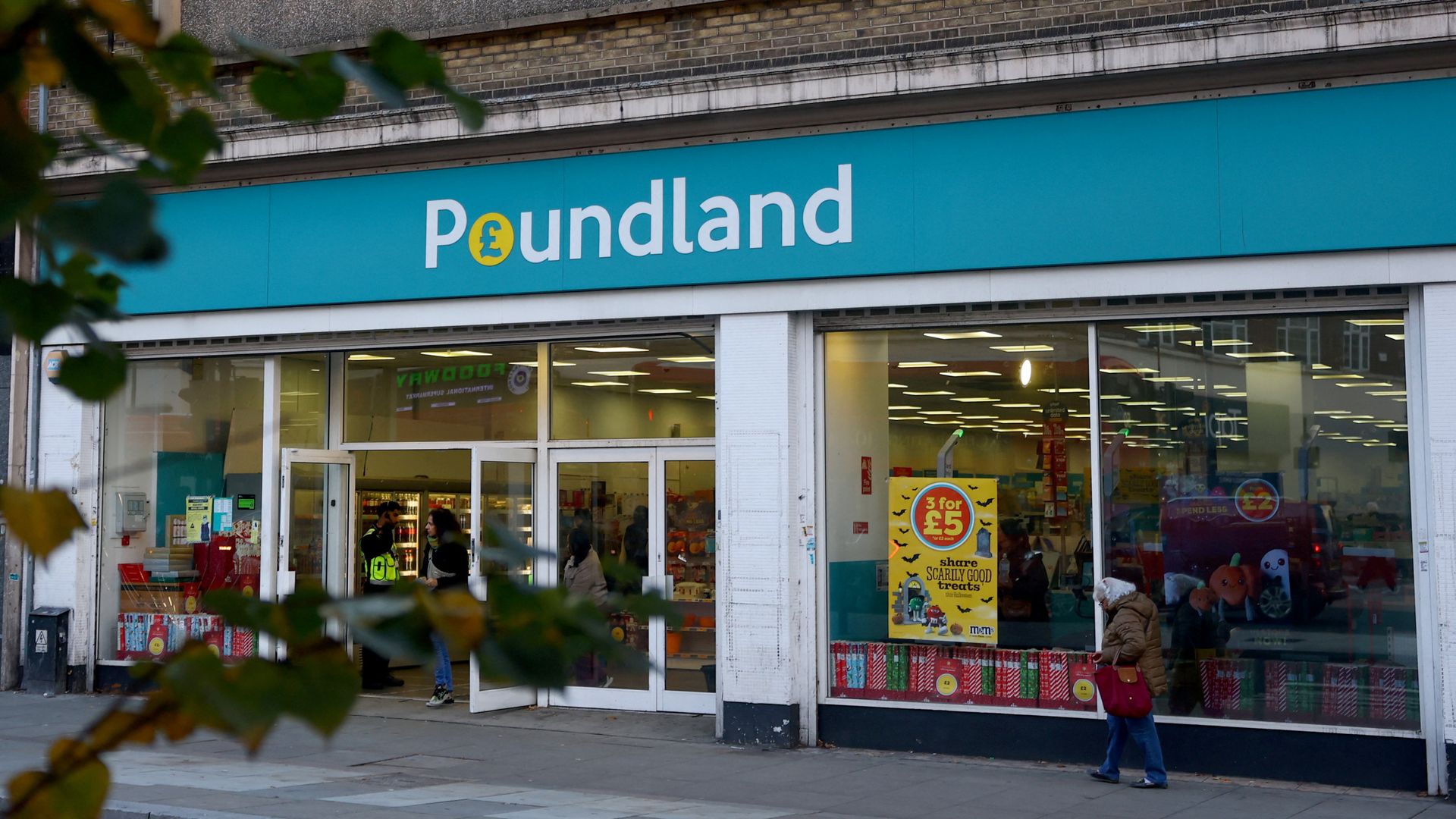
Right now, the battle over Poundland's future comes down to a classic corporate standoff. A prospective buyer is pressing restructuring firm Gordon Brothers to release crucial funding to get the acquisition across the finish line. Without that cash injection, the deal stalls, leaving one of Britain's best-known high-street discount chains hanging in limbo.
If you've watched distressed retail deals unfold over the last decade, this script feels painfully familiar. A turnaround specialist steps in, a suitor emerges with a rescue plan, and everything grinds to a halt over who foots the immediate bill for inventory, store leases, and supplier confidence.
What Is Actually Happening With Poundland and Gordon Brothers
To understand why a Poundland suitor is pushing Gordon Brothers so hard, you have to look at how distressed retail buyouts actually work. Gordon Brothers isn't a traditional long-term retail operator. They're a global advisory, restructuring, and investment firm known for stepping into messy situations—like Laura Ashley, Polaroid, and Toys "R" Us—to provide liquidity, value assets, or manage store closures.
When a discount chain like Poundland hits turbulence, cash flow dries up fast. Suppliers demand shorter payment terms or upfront cash before shipping stock. Credit insurers pull cover, meaning wholesalers won't risk sending goods on standard 30- or 60-day invoices.
That's where the funding bottleneck happens. A buyer looking to acquire Poundland can't just take the keys to hundreds of stores if the shelves are half-empty and suppliers are nervous. They need committed working capital from day one. By urging Gordon Brothers to release funds, the suitor is essentially saying they won't absorb the immediate liquidity risk alone while trying to stabilize operations.
Why Working Capital Makes or Breaks Discount Retail
High-margin luxury brands can survive a slow quarter. Discount retailers like Poundland cannot.
The entire business model relies on razor-thin margins and massive inventory turnover. You sell millions of everyday essentials—toothpaste, batteries, snacks, cleaning supplies—at £1 or multi-price points, making pennies per transaction. If your supply chain hiccups for even three weeks, empty shelves kill foot traffic immediately. Shoppers don't wait around for a pound shop to restock; they walk twenty yards down the high street to B&M, Home Bargains, or Aldi.
I've seen plenty of retail restructuring deals fall apart right at the finish line because the financing partner held back cash until closing conditions were met, while the buyer needed that exact cash to keep suppliers shipping before closing. It's a brutal catch-22.
Here is why releasing that funding matters so much right now:
- Supplier confidence: Fast-moving consumer goods (FMCG) suppliers watch restructuring headlines like hawks. Seeing committed capital from a major backer like Gordon Brothers reassures them that invoices will actually get paid.
- Seasonal stock cycles: Retail runs months ahead of the calendar. Missing a funding window means missing the buying cycle for key seasonal peaks, which permanently wrecks full-year revenue projections.
- Landlord negotiations: Commercial landlords won't agree to rent reductions or flexible lease terms unless they believe the new owner has the financial backing to survive past the next quarter.
The Structural Headwinds Facing UK High Street Discounters
Even with Gordon Brothers releasing the funds, whoever buys Poundland walks into a brutal operating environment. The UK discount sector used to be the unstoppable darling of the high street, growing rapidly after the 2008 financial crisis and during the initial cost-of-living squeeze.
That easy growth is over.
Operating costs for physical stores in Britain have climbed sharply. Increases to the National Living Wage hit labor-heavy retail models directly, since discount stores require massive staff hours just to unpack boxes and restock shelves constantly. Business rates remain a heavy fixed burden on physical locations, and energy costs haven't returned to pre-2022 norms.
At the same time, Poundland's historical advantage—the strict single-price £1 model—eroded years ago due to inflation. Once Poundland introduced multi-price tiers (£1.50, £2, £5, and clothing lines), it stepped directly into the ring with much larger, more efficient big-box discounters like B&M and Home Bargains, as well as the German discounters Aldi and Lidl. Competing on price against supermarkets with massive grocery buying power is a tough fight when your balance sheet is stretched.
What Gordon Brothers Gains and Risks by Holding Back
It's easy to paint a restructuring firm as the villain dragging its feet, but Gordon Brothers operates on strict financial discipline. They aren't a charity, and they don't release capital without ironclad protections.
When a firm like Gordon Brothers holds funds back during sale negotiations, they're usually looking at downside protection. They want to know the suitor has skin in the game—meaning committed equity from the buyer rather than relying purely on debt or restructuring facilities. They also scrutinize the turnaround plan to make sure the cash won't just vanish into paying off legacy losses or unprofitable store leases without fixing the core business.
If Gordon Brothers releases the funding too loosely and the turnaround fails six months later, they end up holding distressed retail inventory and tricky lease liabilities. On the other hand, if they hold out too long, the suitor walks away, asset values deteriorate further, and a messy administration process becomes far more likely—which usually destroys value for everyone involved.
Common Misconceptions About Distressed Retail Buyouts
Whenever a major high-street chain hits the business pages over funding disputes, a few predictable myths pop up.
Myth 1: "The buyer doesn't have any money of their own."
Not necessarily true. In leveraged or structured turnarounds, buyers intentionally ring-fence risk. They bring operational leadership and equity, while specialist lenders like Gordon Brothers provide asset-based lending backed by inventory and receivables. Urging a lender to release funds is standard negotiation leverage, not proof the buyer is broke.
Myth 2: "Once the deal closes, the stores are safe."
Closing a rescue deal is step one, not the finish line. Almost every UK high-street rescue over the past five years has been followed by store portfolio reviews, lease renegotiations, or targeted closures of loss-making branches. Saving the brand rarely means saving every single postcode.
Myth 3: "Shoppers care who owns the company."
Customers couldn't care less about private equity, restructuring firms, or corporate debt structures. They care about two things—whether the shelves are full and whether the prices are cheap. If boardroom delays cause stock shortages in stores, shoppers notice within days.
How to Read the Next Signals in the Poundland Deal
If you're tracking this deal as an investor, supplier, retail analyst, or high-street observer, ignore the routine PR noise and watch three concrete indicators over the coming weeks.
- Trade credit insurance updates: Watch for reports on whether major credit insurers like Allianz Trade or Atradius restore or maintain cover for Poundland suppliers. That's the single clearest real-world signal that cash is actually flowing.
- Binding agreement timelines: Look for confirmation that conditional commitments have converted into unconditional, drawn-down facilities rather than open-ended talks.
- Store estate announcements: Pay attention to whether the suitor pairs the funding release with a clear plan for underperforming stores or distribution centers, which usually signals the lender got the restructuring commitments they demanded.
Until Gordon Brothers signs off on releasing that liquidity, every operational fix stays on paper. Get the funding unlocked, restock the shelves, and Poundland has a fighting chance to stabilize its footprint on the British high street.