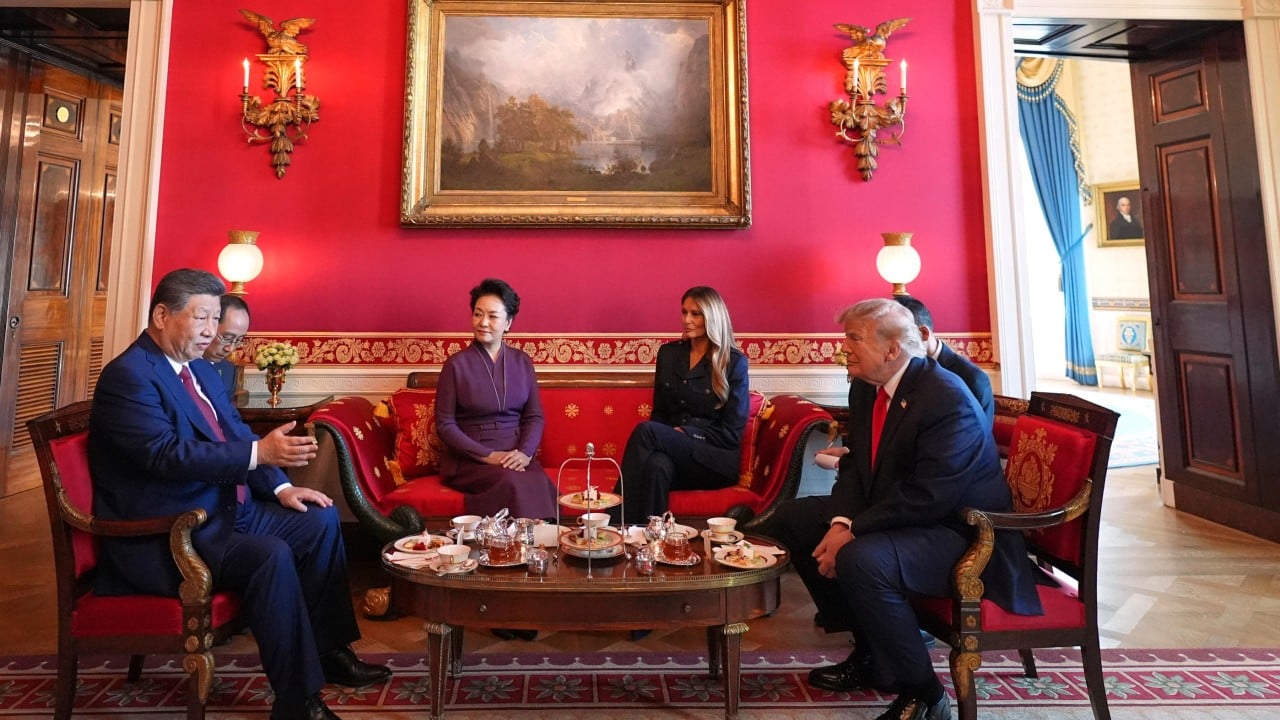
When Chinese President Xi Jinping traveled to the United States, aviation geeks and political analysts noticed something odd. His flight landed hours faster than Donald Trump's return trip from Beijing earlier that May.
People love to read into transit details for high-level summits, treating flight times like a metaphor for national efficiency or diplomatic leverage. But the real story isn't about bragging rights or secret jet engines. It comes down to airspace restrictions, geography, and flight corridors that have shifted dramatically since global travel norms fractured.
If you're wondering how routing and international airspace regulations can slice hours off a transpacific journey, the answer reveals a lot about the current state of aviation.
The Airspace Equation Behind the Times
When Xi's modified Boeing 747 from the Air China fleet made the trek, it took roughly fifteen hours. Meanwhile, Trump’s May flight to Beijing on Air Force One required nearly eighteen hours in the air, not counting an hour-and-a-half refueling stop in Alaska.
Three hours of difference across the Pacific isn't a random coincidence. Xi's route utilized a northern path taking advantage of Russian airspace, Alaska, and Canada.
Geopolitics dictates modern flight paths far more than raw aircraft performance. Western sanctions and airspace bans involving Russia have reshaped commercial and state flight corridors over the past few years. While US and European carriers are largely shut out of Russian airspace, flights originating from or authorized by specific jurisdictions can access northern routing tracks that shorten great-circle distances between Asia and North America.
When you fly a straight line across the globe, cutting the corner via the Arctic and northern corridors saves massive amounts of time and fuel. Xi's route optimization showcased how access to restricted or semi-restricted airspace changes the logistics of summit diplomacy.
What Air Force One Logistics Actually Look Like
People often assume presidential aircraft fly like interceptor jets, but Air Force One is a massive, heavily modified Boeing 747 packed with secure communications gear, defensive countermeasures, and mobile command infrastructure. That weight and payload profile demands precise flight planning.
When Trump traveled to Beijing in May, the journey required specific diplomatic clearances, security protocols, and logistical stops. Air Force One flights avoid certain sovereign airspaces based on active security postures and diplomatic routing agreements.
An extra stop for refueling in Alaska during a multi-leg itinerary adds immediate ground time to a trip. Even when the aircraft is airborne, avoiding closed or politically sensitive flight information regions forces long detours.
Xi's flight plan avoided those specific bottlenecks by utilizing northern corridors that aligned with current diplomatic permissions. It's a stark reminder that international relations directly affect the literal mileage between world capitals.
The Broader Aviation Battleground
The disparity in flight times triggered fresh debates among airline executives and industry groups. Leaders from organizations like Airlines for America have pointed out that asymmetric airspace rules create an unlevel playing field.
While foreign carriers can loop through northern tracks, domestic US airlines face lengthy detours around closed airspace on Asian routes, adding time, fuel burn, and millions of dollars in operational costs.
When you look at the big picture, these flight timing discrepancies highlight an uneven global aviation market. Caps on weekly round-trip flights between nations compound the issue, making every routing advantage a point of contention during bilateral trade and transit talks.
Next time you see headlines about a leader's flight time, look past the PR and check the map. Geography and airspace politics dictate who gets there first.


