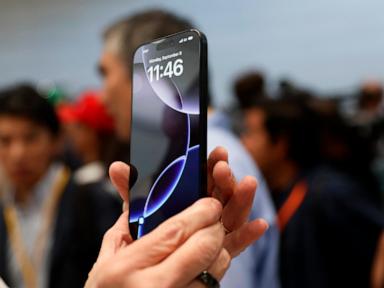
The glass is cold, the edges are rounded, and the weight feels like a promise kept. When you first unboxed that iPhone, it wasn’t just a purchase of silicon and rare earth minerals. It was an investment in a specific kind of speed—a digital grace that we’ve come to take as a given in the modern age. You paid for the snap of the camera shutter, the instant response of a scrolling list, and the confidence that your most personal device wouldn't fail you when you needed it most.
Then, the stutter began. You might also find this connected story useful: The Architects of the Shadow.
Maybe it happened while you were trying to capture a toddler’s first steps, or perhaps it was that frantic moment you needed to pull up a boarding pass while standing at a crowded gate. The screen froze. The battery, which used to last until dinner, started gasping for air by noon. You probably blamed yourself. You thought the phone was just "getting old," or maybe you suspected that you’d cluttered it with too many photos of your dog.
But for millions of users, that decline wasn't just the natural entropy of hardware. It was a choice made in a boardroom miles away. As discussed in latest reports by CNET, the effects are widespread.
The Ghost in the Silicon
At the heart of the legal storm that recently settled for $250 million is a technical phenomenon known as "throttling." On paper, Apple’s logic seemed almost benevolent. As lithium-ion batteries age, they struggle to provide the peak power spikes required by a high-performance processor. To prevent iPhones from simply shutting down under load, Apple introduced software updates that quietly turned down the engine.
Think of it like a governor on a sports car. You might have paid for a V8, but the manufacturer decided, without telling you, that the tires couldn't handle the heat. So, they capped your speed at 40 miles per hour. You still own the car, but you no longer own the performance you were promised.
This isn't just about a slow app. It's about the fundamental trust between a creator and a consumer. When a device starts to lag, the average person doesn't think about "voltage sag" or "impedance." They think: I need a new phone.
The settlement—specifically focusing on the iPhone 7 and 7 Plus models—is the latest chapter in a long-running saga of corporate accountability. While $250 million sounds like a king’s ransom, it is a drop in the bucket for a company that measures its worth in trillions. However, for the individual, the $50 to $95 check heading toward their mailbox represents something more than just a few months of a streaming subscription. It is an admission of a hidden tax on the user experience.
The Hidden Stakes of "Planned" Friction
Consider Sarah. She’s a hypothetical user, but her story is the aggregate of millions. Sarah bought her iPhone 7 because she needed a reliable tool for her freelance photography business. When the phone slowed down after a software update, she didn't see it as a "power management feature." She saw it as a professional liability. She spent hours on tech forums, wiped her phone three times, and eventually, frustrated by the friction, she walked into an Apple Store and traded it in for a newer, more expensive model.
Sarah didn't know that her battery was the culprit, and she didn't know that a simple, cheap battery replacement might have restored her phone’s vigor. She was led toward an upgrade path by the very company she trusted to maintain her device.
This is where the invisible stakes reside. When technology companies make unilateral decisions about the lifespan of a product without transparent communication, they aren't just managing hardware—they are managing consumer behavior. They are nudging us toward the checkout counter.
The settlement covers a specific class of users: U.S. residents who owned an iPhone 7 or 7 Plus and ran specific versions of iOS before December 2017. If you were one of the people who felt that phantom lag, who watched your battery percentage drop like a countdown clock, you aren't imagining things. You were part of a massive, silent experiment in performance management.
Beyond the Checkbook
How does $95 fix a broken relationship? It doesn't.
The money is a civil remedy for a systemic issue. The tech industry has long operated on the "move fast and break things" mantra, but we are entering an era where consumers are starting to demand that the "things" being broken aren't their own expensive tools. The right-to-repair movement and these massive class-action settlements are the friction pushing back against a culture of disposable technology.
Apple has, in the years since this controversy first erupted, become much more transparent. You can now see your "Battery Health" in the settings menu. The "Peak Performance Capability" toggle allows you to choose whether you want the phone to throttle or risk a shutdown. This transparency didn't happen by accident; it was forced by the collective outcry of users who realized that their "old" phones weren't actually worn out—they were being held back.
The $250 million settlement is the final exhale of a long-held breath. It marks the end of a specific legal battle, but the tension remains. We live in a world where our lives are mediated by black mirrors, and we are often at the mercy of the code written inside them. We rely on these companies to be our stewards, not just our vendors.
When that check arrives in the mail for those eligible, it won't be enough to buy a new iPhone. It won't even be enough to buy a set of high-end headphones. But as you hold that slip of paper, remember what it actually represents. It is a receipt for the time you lost waiting for a screen to load. It is a refund for the frustration of a device that seemed to turn against you.
Most of all, it is a reminder that even the most powerful companies in the world are eventually held to the promises they make in those sleek, white boxes. The silence of a slow phone has finally been met with the loud, clear ring of accountability.
Next time your device stutters, you might not be so quick to blame yourself. You’ll look at that cold glass and remember that you aren't just a user—you’re an owner. And you’ll know that the speed you paid for isn't a gift from the manufacturer; it’s your right.
The check is in the mail, but the lesson is already in your pocket.