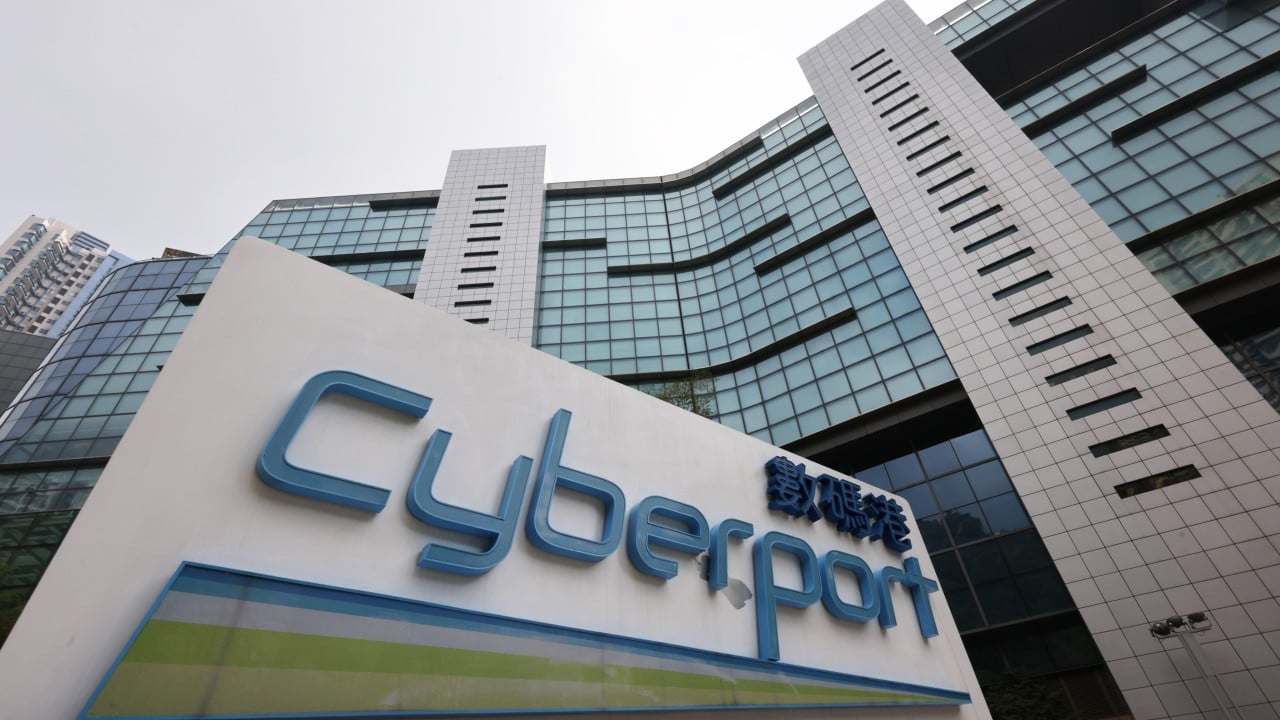
Glass reflects the sky until the light shifts. Then, it becomes a mirror.
Stand outside Cyberport in Hong Kong just as dusk settles over the South China Sea. The towers gleam with ambition, stacked like crystalline blocks of tomorrow. Inside those climate-controlled corridors, young minds once bent over glowing screens, chasing the ephemeral ghosts of algorithmic grace. They wrote code. They pitched ideas. They believed, with the fierce, unyielding arrogance of youth, that they were building the digital arteries of the next century.
Millions of dollars flowed through those doors. Not as liquid gold, but as grants. Promises wrapped in official letterheads, designed to nourish the fragile roots of innovation before the harsh winter of the market could freeze them out.
Trust is a fragile currency. Once spent, it leaves behind an echo that no firewall can block.
The Anatomy of an Illusion
Six people sat across a boardroom table. Among them was a former department head—someone who knew the architecture of the system from the inside out, someone trusted to guard the gate.
Consider the mathematics of deception. Twenty million dollars sounds abstract when printed in a ledger. It looks like columns of grey numbers against white paper. But translate those figures into human weight. Twenty million Hong Kong dollars is the equivalent of hundreds of dreams squeezed out of a photocopier. It is the cost of phantom employees, fictitious invoices, and hollow shell companies that existed only to drain accounts while real creators waited in cramped flats for a break that never came.
To understand how a tech subsidy scheme collapses, you do not look at the software. You look at the signatures.
Every grant application tells a story. A clever founder needs funding for a data analytics engine. They submit receipts, tenant agreements, payroll ledgers. On paper, the enterprise hums with life. But beneath the surface veneer, the office is empty. The keyboards are plastic props. The employees are ghosts wearing names stolen from public databases.
Fraud rarely arrives wearing a ski mask. It wears a tailored suit. It smells of expensive coffee and speaks in the measured, reassuring cadence of bureaucratic routine. When the person verifying the authenticity of the paperwork is the very person profiting from its falsification, the system stops being a shield and becomes an accomplice.
When the Ledger Does Not Match the Street
Innovation requires oxygen. When public funds are diverted into private pockets, the air in the room thins.
Think of the developer who actually stays up until four in the morning, debugging lines of spaghetti code while cold instant noodles congeal in a plastic cup. That developer watches from the outside as millions vanish into the accounts of phantom projects. The anger is not theoretical. It burns. It tastes like ash.
When authorities finally moved in—when the investigators from the Independent Commission Against Corruption crossed the threshold—the illusion dissolved. Files were seized. Hard drives were mirrored. Bank accounts were frozen mid-transfer.
Six individuals faced charges. Conspiracy to defraud. Theft. Abuse of public trust. The legal terms are cold, sterile, designed to distance the courtroom from the quiet devastation of stolen futures.
Yet, the fallout extends far beyond a courtroom bench. Every time a scandal of this magnitude hits the headlines, the invisible collateral damage hits the honest innovators. The next time a young coder with a genuine breakthrough walks into a government office seeking a modest grant to scale a medical diagnostic tool or an efficiency algorithm, the bureaucrat across the desk looks at them with narrowed eyes. The suspicion multiplies. The vetting process grows thicker, slower, heavier. Bureaucracy feeds on breach of trust. It grows teeth.
The Mirror of Modern Ambition
We build monuments to our cleverness. We erect smart cities, digital hubs, innovation incubators designed to capture the lightning of human ingenuity and channel it into economic power.
Yet, human nature remains stubbornly resistant to upgrades. Greed does not require a complex operating system. It runs on the oldest hardware known to history.
The investigation into the Cyberport fraud will wind its way through hearings and briefs. Verdicts will be rendered. Sentences will be handed down. The news cycle will rotate toward the next shiny distraction, leaving the concrete towers standing quietly against the harbor fog.
The glass remains transparent. Inside, the lights are still on. But the reflection has changed. It shows a system forced to look at its own blind spots, wondering how many other ghosts are hiding behind the spreadsheets.