The ink on the certificate is barely dry, but the weight of the book in your pocket feels monumental. It is navy blue, crisp, and smells faintly of industrial glue and fresh laminate. For a price that could buy a comfortable family home in many capitals, it offers something priceless. Movement. Freedom. An escape hatch from a turbulent homeland.
Across the Caribbean, from the sun-drenched shores of St. Kitts to the lush volcanic ridges of Dominica, citizenship has quietly become a traded commodity. Governments sell passports to strangers who have never set foot on their soil, never paid local income tax, and cannot point to their islands on a map. For years, this arrangement felt like a brilliant win-win. Small island nations received critical infusions of foreign capital to build hospitals, recover from devastating hurricanes, and patch national budgets. Wealthy individuals from nations with restricted mobility secured a quiet insurance policy against political instability.
Money flowed. Passports printed.
Then came the knock on the door from Brussels.
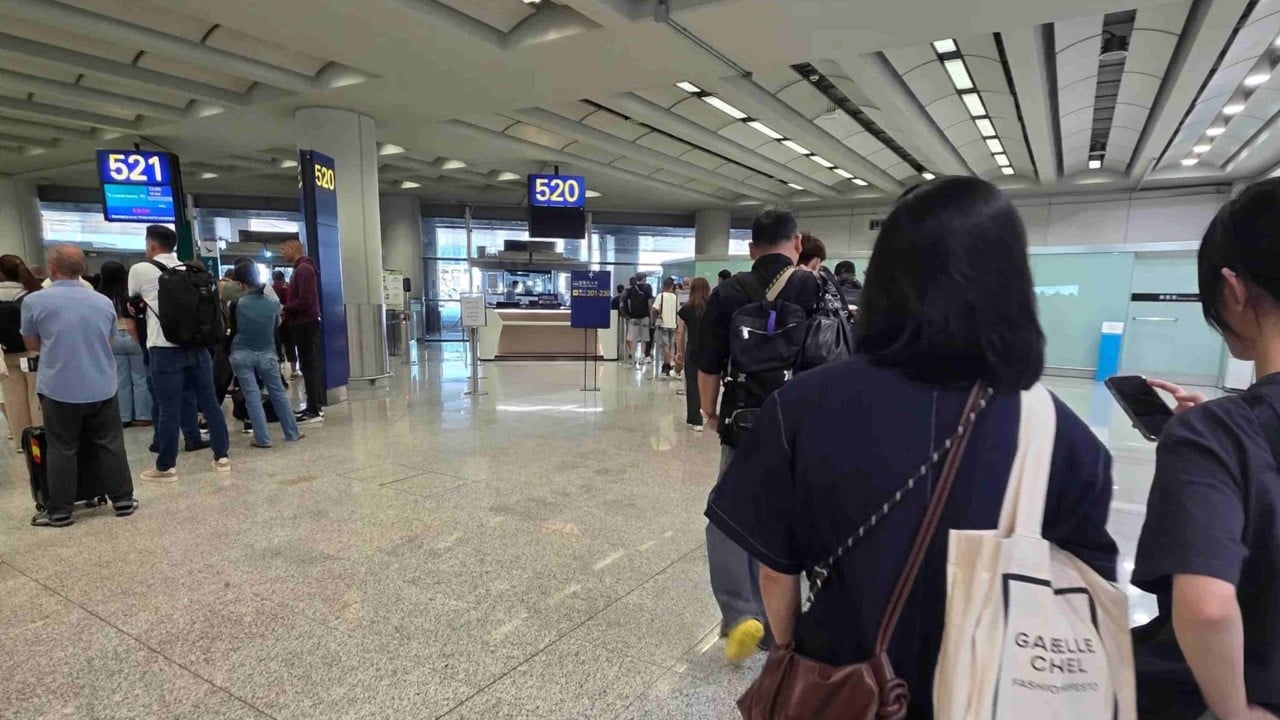
To understand why the European Union suddenly cares about who holds a Dominican passport, you have to stand at a border control checkpoint in Frankfurt or Paris. You have to watch the green light flash on the automated gate. The system does not ask if you earned your passport through decades of local civic contribution or bought it over wire transfer. It sees the document, recognizes the visa-free travel agreement, and lets you pass.
Brussels looks at that green light and feels a cold draft of anxiety.
The European Union operates on a foundation of intense administrative trust. When the bloc grants visa-free access to a sovereign nation, it assumes that nation has vetted its citizens rigorously. It assumes a shared baseline of security. But when a country outsources its citizenship to the highest bidder—sometimes offering deep discounts during promotional rushes—that trust frays.
European officials whisper about the worst-case scenarios. Oligurhcs evading sanctions. Financial criminals laundering illicit fortunes. Wanted fugitives purchasing a fresh identity and a clean slate with a swift international wire transfer.
To illustrate this tension, consider a hypothetical investor named Viktor. Viktor lives thousands of miles away from the Caribbean, in a country where his business dealings draw uncomfortable questions from local regulators. His native passport subjects him to endless bureaucratic humiliation at every international airport—interrogations, visa delays, closed doors. He needs mobility. He needs legitimacy. He finds a licensed agent online, wires a six-figure sum, passes a rudimentary background check administered by a private firm, and months later, a courier delivers a brand-new Caribbean passport to his penthouse.
Viktor can now board a flight to Europe without a visa. He can move capital through international accounts with fewer raised eyebrows.
To the government of the island nation that sold him that passport, Viktor is a financial savior. His investment funded the new geothermal energy plant down the road. To the European Union, Viktor is a security vulnerability who bypassed the front door of international immigration by purchasing the back key.
The collision between these two worldviews was inevitable.
The pressure from the European Commission has escalated from diplomatic murmurs to blunt ultimatums. Brussels has made its stance terrifyingly clear to Caribbean leaders: shut down or radically overhaul your Citizenship by Investment programs, or watch your citizens lose their coveted visa-free access to the Schengen Area.
The stakes are existential. For nations like St. Kitts and Nevis, which pioneered the modern golden passport industry in the mid-1980s, these programs are not a side hustle. They are the macroeconomic engine. When a hurricane tears through the Caribbean, wiping out a season's worth of tourism revenue in four hours, foreign direct investment from passport sales rebuilds the infrastructure. Without it, debt loads soar. Public services stall.
Yet the alternative is equally catastrophic. If the European Union pulls the plug on visa-free travel, a Caribbean passport instantly loses its primary utility. Why would a wealthy global investor pay hundreds of thousands of dollars for a travel document that can no longer get them into Paris or Rome without a cumbersome visa application? The product dies. The revenue vanishes.
Caribbean leaders find themselves trapped between the rock of financial dependency and the hard place of international sovereignty.
During recent high-level summits, representatives from the EU, the United States, and Caribbean nations have hashed out compromises. They have agreed on tighter security checks, mandatory interviews, the prohibition of applicants from heavily sanctioned countries, and the sharing of data. Some islands have raised their minimum investment thresholds, trying to price out lower-tier bad actors while retaining high-net-worth buyers.
Yet these reforms feel like band-aids on a structural fault line. The fundamental tension remains. Can a sovereign nation monetize its national identity without compromising the collective security of its international allies?
The golden passport era is fracturing. The days of mail-order citizenships and lax background checks are drawing to a harsh close. Passport sales may continue for a time, rebranded and heavily audited, but the golden sheen is tarnished.
At the airport terminal, the green light at the automated gate remains green for now. But behind the glass, the rules of the global game are being rewritten. The price of admission is no longer just money. It is trust, and trust is the one thing you cannot buy off the shelf.