The diesel engine coughs a thick, rhythmic rumble that shakes the floorboards underfoot. It is a sensory anchor in a city that changes its skin every few years. On Victoria Harbour, the air smells of brine, heavy fuel, and the faint, sweet scent of roasting chestnuts drifting from the Tsim Sha Tsui promenade. The green-and-white hull of the Star Ferry slices through the water, just as it has done since the nineteenth century.
To a tourist, this is a postcard moment. To the daily commuter, it is a brief, floating sanctuary from the hyper-speed energy of Hong Kong.
But beneath the varnished wood and the reversible canvas seats, the math is failing. The quiet rhythm of this century-old transit system is facing a reality that sentimentality alone can no longer fund.
A legendary institution is running out of time, and the price of keeping it alive is about to hit the pockets of those who love it most.
The Weight of the Ledger
Consider a hypothetical commuter named Mr. Wong. Every morning for thirty years, he has walked the concrete pier at Wan Chai, paid his fare, and watched the skyline of Central materialize through the morning mist. He prefers the lower deck. He likes the spray of the water. For people like him, the ferry is not a novelty; it is the fabric of daily life.
But the world around Mr. Wong has shifted. Between 2018 and 2023, the Star Ferry quietly accumulated losses exceeding HK$100 million. Think about that figure for a moment. A company that operates a crossing lasting mere minutes managed to bleed nine figures in half a decade. The disruption of global events emptied the upper decks of big-spending tourists. Then, the infrastructure of the city itself evolved. The extension of the MTR East Rail Line straight into the heart of Hong Kong Island offered speed at the expense of soul.
Passengers migrated underground. The ferry was left running on borrowed time, sustained heavily by loans just to keep the propellers turning.
The company has returned briefly to the black over the past two years, but the reprieve is a mirage. The numbers do not lie. Operating costs are climbing relentlessly. Everything from staff wages to pier maintenance is tugging the company backward into the red.
Consider what happens next: the company must replace the aging, laboring engines of its vessels. The price tag? An estimated HK$10 million per ship.
This is why the Star Ferry has approached the government with a request that feels, to many, like a sharp sting. They are seeking an average fare increase of 30 percent across its two main franchised routes.
The Microeconomics of a Ferry Ride
An extra dollar or two sounds trivial in a city where a cup of specialty coffee costs more than a traditional lunch. But public transit is an emotional ecosystem.
Under the proposed adjustments submitted to the Legislative Council, a weekday adult single ticket for both the Tsim Sha Tsui-Central and Tsim Sha Tsui-Wan Chai routes would climb from HK$5.0 to HK$6.50. On weekends and public holidays, the fare for the Wan Chai crossing would jump from HK$6.50 to HK$8.50.
A few years ago, the ferry suffered an even steeper hike of over 50 percent, which scrapped the historical tradition of completely free rides for seniors. To watch the prices climb again so soon creates a lingering anxiety.
The anxiety is not just about the coins dropped into the turnstile. It is about the subtle erosion of affordability in a city that is becoming increasingly exclusive.
Yet, looking at the situation objectively, a counter-intuitive truth emerges. Even with a 30 percent spike, the Star Ferry remains the cheapest way to cross the harbor by an incredibly wide margin. It is still significantly cheaper than taking the cross-harbor buses or diving into the subterranean tunnels of the MTR.
The value is undeniable. The conflict is purely emotional. We want our icons to remain frozen in time, including their prices. We forget that nostalgia must pay its rent.
A Four-Legged Lifeline
To survive, a business cannot rely solely on asking for more money for the exact same service. It has to innovate, even when its core identity is rooted in tradition.
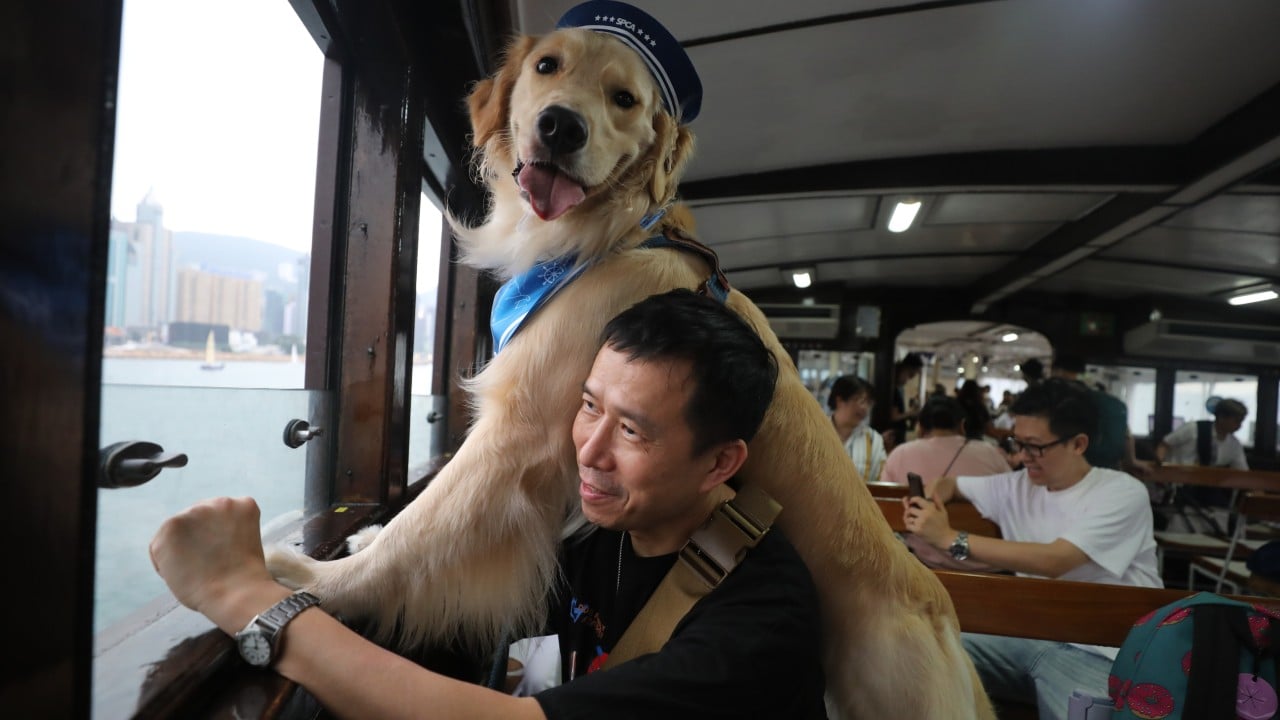
The Star Ferry is proposing something radically unexpected for its Wan Chai-Tsim Sha Tsui route: a pet-co-riding service.
It sounds simple, perhaps even gimmicky. But for pet owners in a densely packed metropolis, finding open, welcoming spaces is a constant struggle. Under the new proposal, a passenger could buy a special pet pass for HK$25. The rules would be strict—animals must be kept on a leash, inside a carrier, or in a cage.
This move is an attempt to transform the ferry from a purely utilitarian transit link into a lifestyle destination. It targets a new demographic of weekend travelers who want to explore the city with their dogs and cats, turning a routine harbor crossing into a shared experience.
It is a gamble. Will the presence of barking dogs disrupt the serene, breezy silence that commuters cherish? Or will it inject a much-needed dose of joy and modern energy into a service that risks becoming a museum piece?
The Disappearing City
The Legislative Council’s transport panel is scheduled to debate these proposals, and the final decision will ultimately rest with the Chief Executive in Council. The bureaucracy will do its work, weighing farebox revenue against public acceptability, checking the balance sheets, and analyzing passenger trends.
But the real problem lies elsewhere, far beyond the spreadsheets.
Hong Kong is a city built on constant erasure. Old neon signs are dismantled. Historic tea houses are replaced by glass towers. When a piece of the past disappears, it rarely returns. The Star Ferry is one of the last remaining threads connecting the ultra-modern financial hub to the maritime trading post it once was.
If the fare hike fails to pass, the financial pressure will not vanish. The engines will still need replacing. The staff will still need to be paid. The alternative to a higher fare is a diminished service, longer wait times, or worse, a quiet surrender to obsolescence.
The next time you stand on the pier, listen to the heavy clank of the gangway dropping. Watch the deckhands toss the thick mooring ropes with practiced, effortless rhythm. The extra change required to pass through the turnstile is not just the price of a commute. It is the cost of keeping a piece of the city's identity above water.