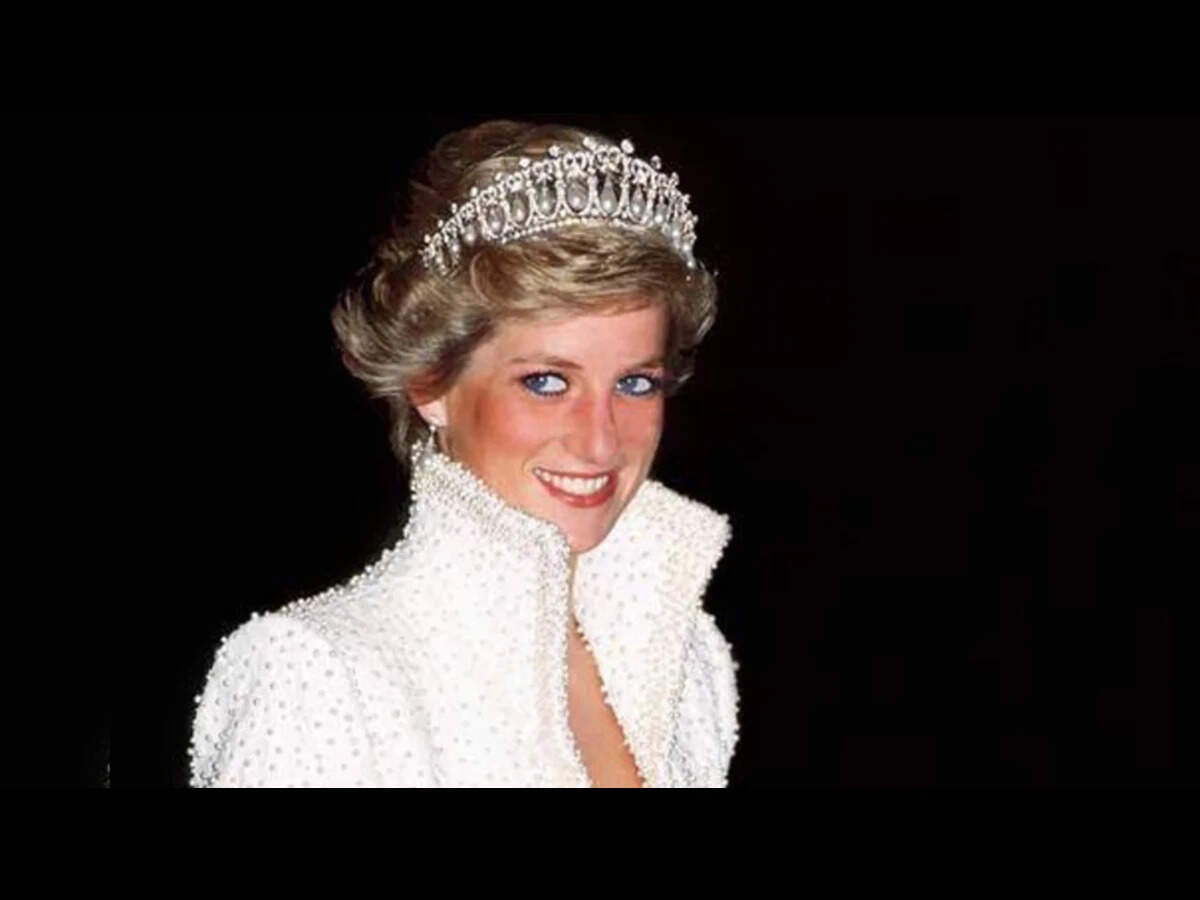
Most public figures crave power, titles, and structural dominance. They want the crown, the official seal, the legal authority to rule over institutions. Diana Spencer looked at the most famous monarchy on earth and chose something entirely different. When she sat down in front of a BBC television camera in November 1995, she didn't just break protocol. She shattered the entire rulebook of how royalty was supposed to behave.
People forget the sheer audacity of that moment. Millions watched Martin Bashir ask her whether she thought she would ever be queen. Her response was instant, calm, and utterly devastating to the traditional establishment. She didn't say she expected to share the throne alongside Charles. She didn't express a burning desire for official validation from an institution that had slowly ground her down over fifteen years. Instead, she offered a redefinition of power that terrified Buckingham Palace.
"I'd like to be a queen in people's hearts," she said, before adding the line that cemented her permanent status as a cultural icon: "I don't see myself being queen of this country. I don't think many people will want me to be queen. When I say many people, I mean the establishment that I married into, because they've consumed me."
That distinction matters. It remains the single most important key to understanding why her legacy survived her tragic death in 1997 and why it continues to outshine every living member of the British royal family. She realized long before anyone else that institutional power was fading. True influence belonged to whoever could capture public affection, empathy, and raw emotional resonance.
The Interview That Changed Everything
To grasp the weight of that declaration, you have to look at the pressure cooker that preceded it. By 1995, the marriage was dead. The headlines were relentless. The British press treated her life like a daily soap opera, and the royal household viewed her emotional struggles as an inconvenient PR crisis.
When Martin Bashir interviewed her for Panorama, the broadcast drew over twenty-two million viewers in the United Kingdom alone. It was an earthquake disguised as a chat show. No senior royal had ever spoken so candidly about depression, bulimia, marital infidelity, and institutional coldness.
The establishment expected her to fade quietly into the background after their eventual divorce. They expected her to accept a minor title, a generous financial settlement, and a life of polite obscurity in the countryside. They fundamentally misjudged her ambition. Diana understood that her survival depended on building a direct line of communication with the public. She bypassed the palace press office entirely. She spoke directly to ordinary people, and in doing so, she invented modern celebrity transparency decades before social media made it standard.
When she declared herself a queen of hearts, she wasn't speaking in poetic metaphors. She was staking out a new jurisdiction. Her domain wasn't Westminster or Balmoral. Her territory was human emotion, vulnerability, and shared pain.
Building a Connection Outside the Palace Walls
Traditional royals do ribbon-cuttings. They stand behind velvet ropes, shake hands with local dignitaries, smile for thirty seconds, and move on. It is an exercise in detached majesty. Diana despised that model.
She knelt down to talk to children in hospitals. She held the hands of AIDS patients during a time when ignorant hysteria made people terrified to touch anyone with the virus. She walked through active minefields in Angola to draw global attention to the horrific human toll of unexploded ordnance.
These weren't just standard charity photo-ops. She genuinely wanted to witness suffering firsthand and use her massive global platform to force governments to care. When she touched an HIV-positive patient without gloves in 1987, she dismantled years of cruel medical stigma in a single afternoon. Photographers captured the moment, and the world changed.
People trusted her because she admitted her own fractures. She never pretended to be infallible. When she talked about her struggles with self-harm, eating disorders, and deep isolation inside the royal family, millions of women saw their own hidden battles reflected back at them. That was the secret engine of her popularity. She wasn't an untouchable icon perched on a pedestal. She was a woman trying to figure out her life while the entire world watched her every move.
The establishment hated this approach. They viewed emotional honesty as a threat to dignity. They believed royalty should remain mysterious, stoic, and emotionally distant. But Diana realized that mystery breeds resentment in the modern world, while vulnerability builds fierce, unbreakable loyalty.
Why the Crown Struggled to Understand Her
The House of Windsor operates on a simple premise: duty above all else. Personal feelings are secondary to the survival of the firm. If you are unhappy, you keep quiet, pour yourself a gin, and carry on.
Diana couldn't do that. Her emotional wiring was completely incompatible with the Victorian rigidity of her in-laws. She wanted warmth, romance, and genuine partnership. When she found herself trapped in a loveless marriage where her husband pined for his former girlfriend, she didn't quietly suffer in silence for fifty years like generations of royal wives before her. She fought back in the only ways she could.
She leaked stories to journalists like Andrew Morton. She gave bombshell interviews. She weaponized her own charm and public appeal to protect herself from an institution that viewed her as disposable.
The courtiers never forgave her for this. To them, she was a loose cannon who destabilized the monarchy. They missed the forest for the trees. Diana wasn't trying to destroy the monarchy out of malice. She was trying to force it to evolve into something human. She wanted an institution that could cry, listen, and adapt to the late twentieth century. Because the men in gray suits refused to change, she outgrew them. She became bigger than the crown itself.
The Real Cost of Playing the Royal Game
Living in the public eye at that intensity carries a brutal price tag. By the mid-nineties, Diana's life was a permanent logistical nightmare. Pack of photographers hunted her car wherever she went. Long-lens cameras tracked her on private beaches, outside gyms, and during quiet dinners with friends.
The paranoia became overwhelming. She changed staff constantly, suspected her phone was tapped, and worried endlessly about her safety. Yet, she used that media frenzy to her advantage. She learned how to tip off photographers when she wanted to highlight a specific cause, and she learned how to hide when she needed peace.
It was a dangerous dance. You cannot play with the media beast for years without eventually getting mauled by it. The pursuit through the streets of Paris on that August night in 1997 was the tragic culmination of a system that consumed her life and ultimately ended it.
Even in death, her influence proved inescapable. The initial silence from Queen Elizabeth II and the rest of the royal family following Diana's fatal crash nearly brought down public support for the monarchy. Hundreds of thousands of people flooded the gates of Kensington Palace with mountains of flowers, grief, and incandescent rage at the establishment. The Queen was forced to return to London, address the nation live on television, and lower the flag to half-mast.
That massive, unprecedented public outpouring proved her point better than any speech ever could. The people had chosen their queen. It wasn't the woman holding the official title in Buckingham Palace. It was the woman who had spent two decades breaking rules, hugging outcasts, and living out her pain in the open.
How Her Legacy Survives Today
Decades after her death, our cultural obsession with Diana shows zero signs of fading. Every new generation discovers her fashion choices, her activism, and her rebellious spirit through viral clips, documentaries, and scripted dramas.
Why does she still matter so much? Because the traits she pioneered—openness about mental health, skepticism toward rigid institutions, and the demand for authenticity from public figures—are now the baseline cultural currency of the twenty-first century.
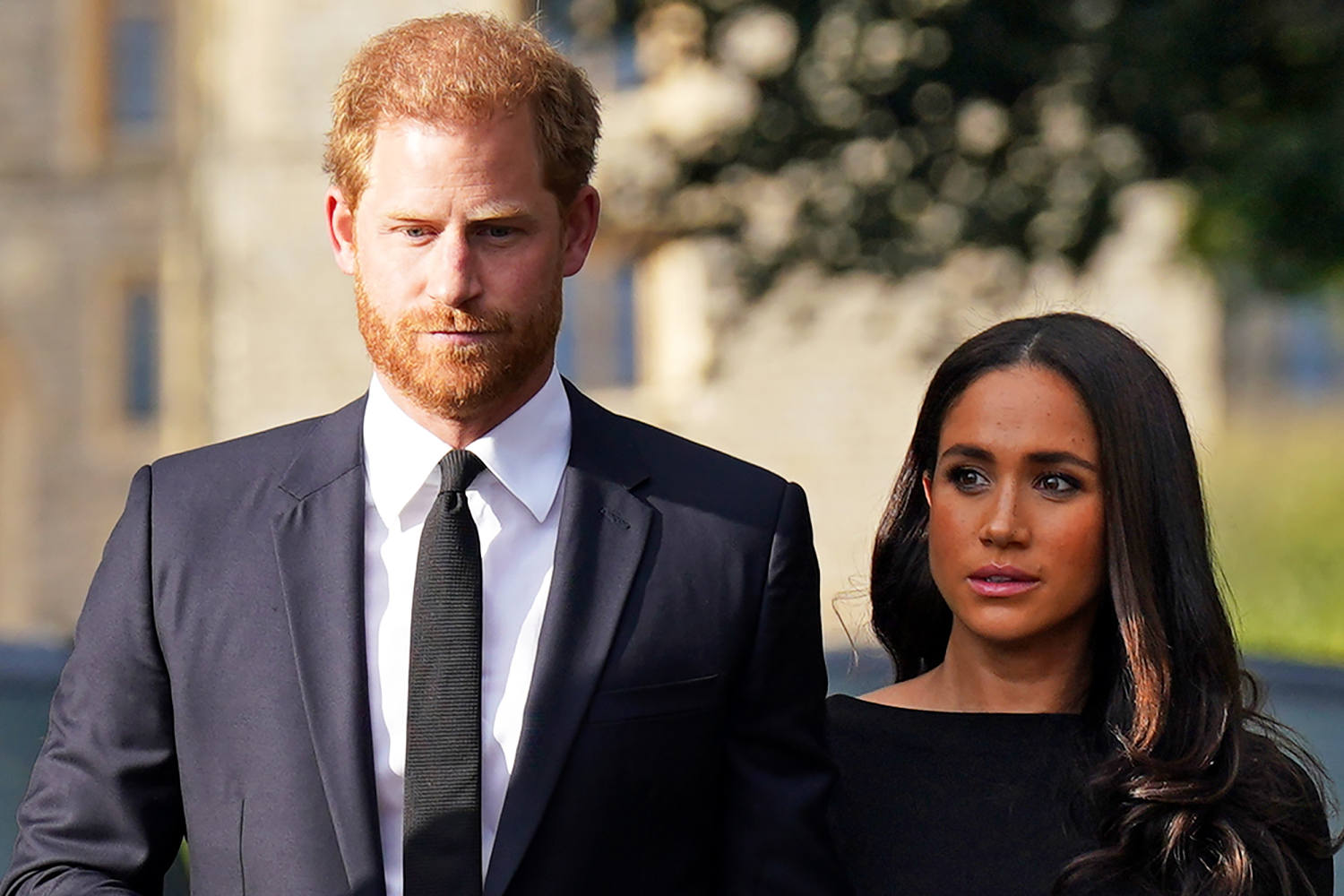
When modern royals try to modernize their image, they are following a playbook written by Diana. When Princes William and Harry talk openly about grief and therapy, they are walking down a path their mother cleared through thick brush thirty years ago.
She left behind a blueprint for how to navigate fame without losing your humanity. She proved that empathy is a far more powerful political tool than hereditary privilege. The crown still sits on a monarch's head in London, but the emotional ownership of the British public was transferred permanently a long time ago. She didn't need a crown to rule. She won the only title that truly mattered by simply refusing to stop caring about people who hurt.