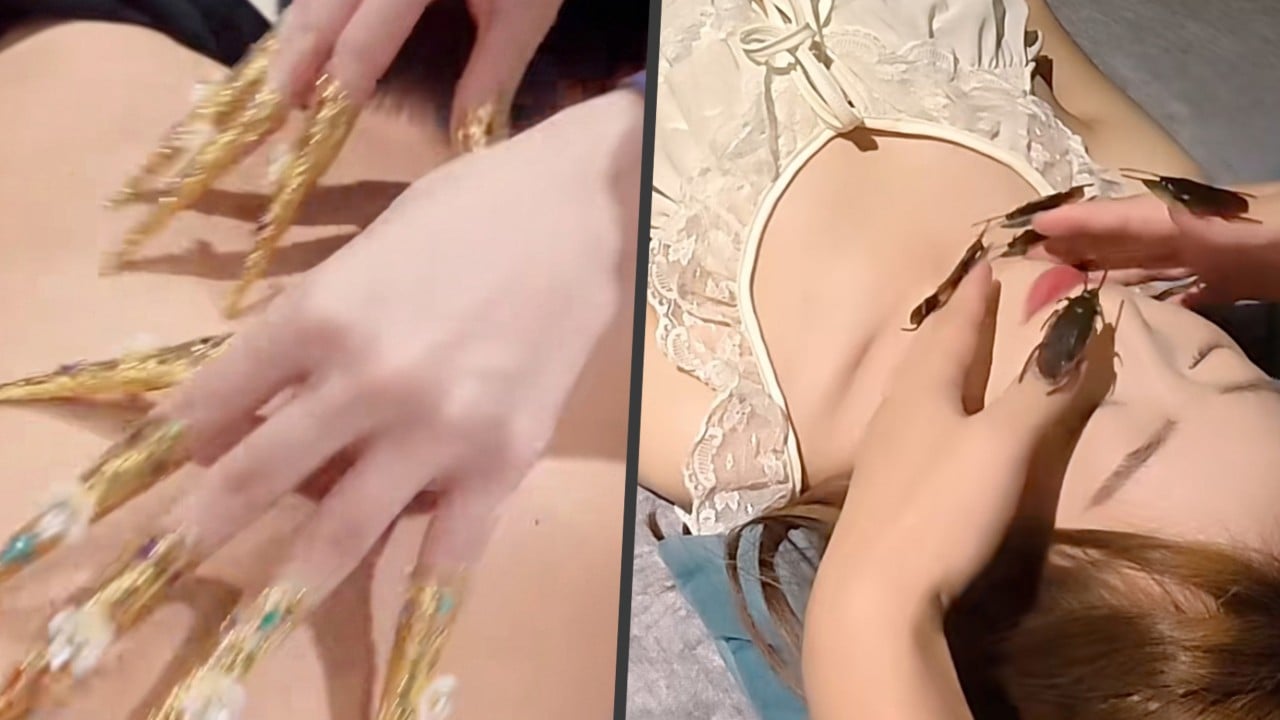
You can buy almost any convenience online or in brick-and-mortar storefronts today, but professional scratch therapy used to sound absurd. Zhang Xiaoqiao changed that narrative entirely. Operating out of Shenzhen, this Chinese entrepreneur launched specialized itch relief shops that rake in roughly US$15,000 to US$23,000 a month across two locations.
Before you write this off as a bizarre internet stunt, look at the economics. Modern urban burnout creates strange consumer demands. People are exhausted, stressed, and constantly reaching for ways to unwind that go beyond traditional deep-tissue massages. Zhang tapped straight into that psychological exhaustion with a physical service that costs very little to scale.
The Anatomy of an Itch Relief Business
Zhang didn't just wake up one day and start fingernail scratching for cash. He spent four months mapping out the human body. He divided the anatomy into five primary itch zones and identified over thirty specific sub-areas that trigger heavy relaxation responses when properly stimulated.
Sessions range from thirty-minute quick fixes to eighty-minute full-body packages. Prices span from 100 yuan up to roughly 300 yuan. Customers lie face down on specialized beds while practitioners use custom-designed artificial fingernails and tools. It is light skin stimulation, not muscle crushing.
The target demographic reveals a lot about modern work culture. About seventy percent of Zhang's clientele are male office workers from first-tier cities. These are professionals sitting at desks for ten hours a day, dealing with chronic tension and minor skin irritations they cannot reach themselves. Over half of them fall fast asleep within minutes of the session starting.
Why Traditional Massages Are Losing Ground
Standard massage parlors focus heavily on muscle knots and deep pressure. Sometimes, you don't need your knots worked out. You just need nervous system decompression.
Light tactile touch triggers oxytocin release and calms down an overactive sympathetic nervous system. Massage therapists often charge higher hourly rates and require intensive physical training or licensing. Running an itch scratching service requires a fraction of that overhead. Training staff to master pressure, speed, and sequence takes weeks instead of years.
Gross monthly revenue for the initial shop hit roughly 80,000 yuan in its first thirty days. Expanding to a second location in Futian District pushed combined sales higher, proving that the concept wasn't just an initial novelty flash in the pan. Repeat customers form the backbone of the daily ledger because office workers love routine comfort.
The Skepticism Factor
Social media users across Weibo and Douyin haven't held back their doubts. Critics routinely ask why anyone would pay the equivalent of forty dollars to have a stranger scratch their back. Others question the long-term viability of turning a basic personal habit into a recognized national profession.
Skepticism usually follows any unconventional retail concept. Ten years ago, nap bars and oxygen lounges faced identical ridicule. Consumers vote with their wallets, and when corporate burnout peaks, quirky wellness startups capture unexpected market share.
If you want to spot scalable business ideas in crowded service markets, look for micro-frustrations that people cannot easily solve alone. Zhang didn't invent a new technology. He simply commercialized an overlooked physical sensation. Look closely at everyday inconveniences in your own city. The next profitable niche is probably hiding in plain sight.



