Metal screams before it stops. Anyone who has ever stood on a European railway platform in the dead of night knows the rhythmic, comforting lullaby of high-speed steel gliding over welded track, and they also know the visceral terror of what happens when that rhythm shatters.
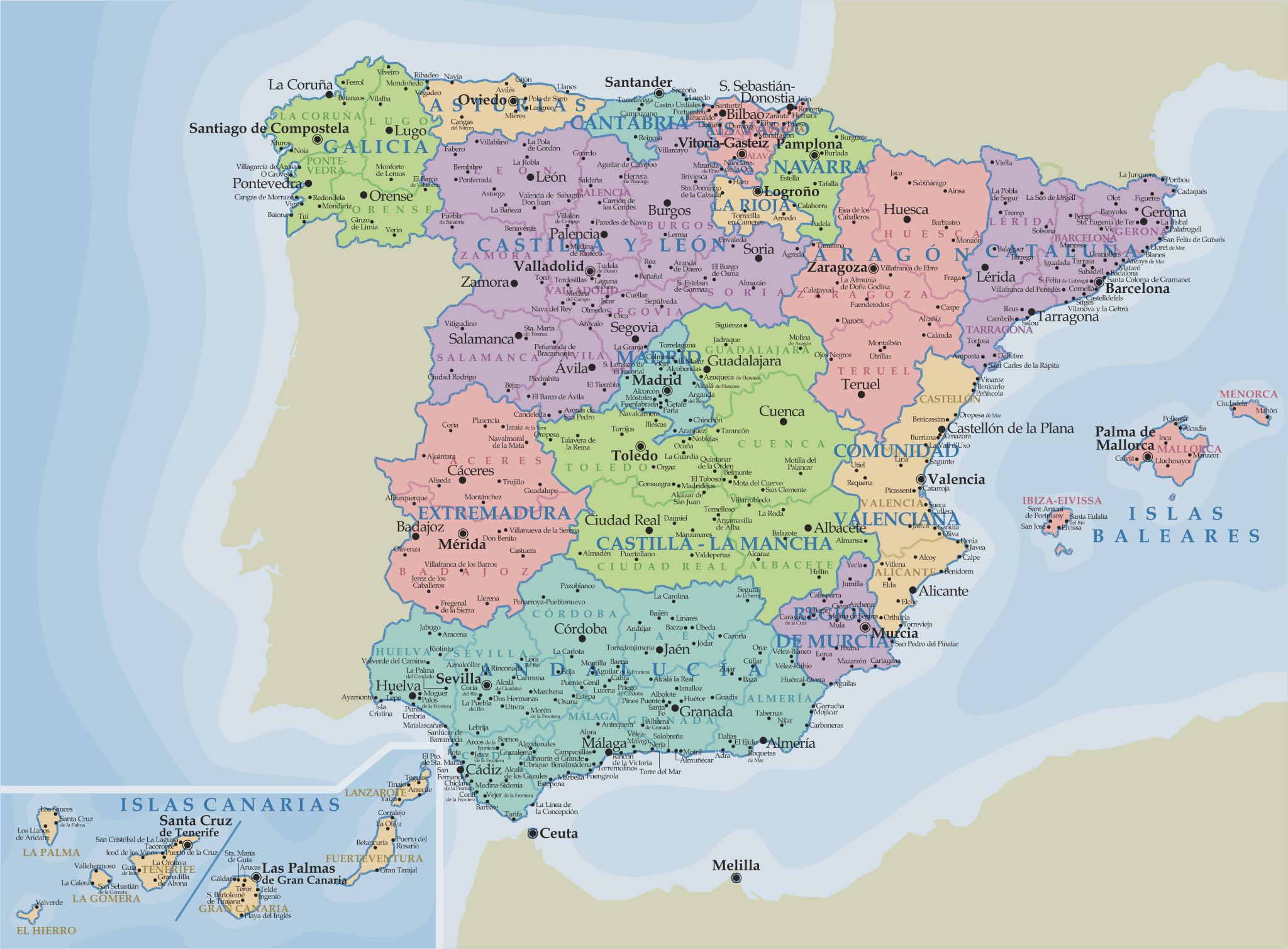
Consider a hypothetical traveler, Arjun, a twenty-six-year-old software engineer from Bengaluru on his first solo trip across southern Spain. He boards an evening regional train out of Madrid, his backpack tucked under his knees, scrolling through photos of the Alhambra while texting his mother back home that he will call her before bed. Three hours later, his phone battery sits at four percent, the carriage tilts at an unnatural angle against a dark embankment, and the air smells sharply of scorched brakes and wet earth. Around him, fifty strangers are shouting in rapid-fire Spanish, a language he only knows well enough to order coffee and ask for the bill. Learn more on a similar subject: this related article.
In that exact second, the distance between Madrid and New Delhi stops being a line on a flight map and becomes an agonizing, suffocating wall.
When news broke of a serious train accident in Spain, wire services around the world did what wire services always do. They condensed human terror into three sterile lines of copy. They noted the derailment, mentioned emergency responders on the scene, and added a brief diplomatic footnote stating that the Indian government had urged its nationals to contact the Embassy of India in Madrid for assistance. Most readers scrolled past that headline in two seconds flat. A diplomatic advisory looks like bureaucratic wallpaper until you are the one bleeding on the gravel or the parent staring at two grey checkmarks on WhatsApp at three in the morning. Additional journalism by USA Today delves into similar perspectives on this issue.
The Anatomy of Isolation
To understand why an embassy hotline matters so fiercely during a foreign transit disaster, you have to understand how completely a crisis strips away your independence. At home, an emergency runs on muscle memory. You know which number to dial, you understand the tone of the dispatcher's voice, and if your wallet is lost in the wreckage, your face and your language still vouch for who you are.
Abroad, every single one of those anchors vanishes at once.
Imagine losing your passport under a collapsed luggage rack while paramedics try to ask you about your blood type and drug allergies. Imagine trying to explain to a local police officer in rural Andalusia that your employer in Chennai holds your travel insurance policy, or watching your phone die while your family in India watches breaking news tickers flash footage of twisted carriages. Confusion sets in fast. Fear follows right behind it.
This is the invisible crisis inside every international transport accident. The physical impact happens in milliseconds, yet the administrative and emotional aftershocks stretch for days. Language barriers turn simple medical intake forms into insurmountable puzzles. Local hospitals prioritize trauma stabilization, as they should, leaving frantic relatives half a world away with zero confirmation of whether their loved one is in a surgical ward, a temporary shelter, or simply sitting on a curb without a charger.
What an Embassy Actually Does in the Dark
Most travelers view an embassy as a fortress of frosted glass and stamp pads, a place you only visit when you lose a passport or need a document notarized. That perception misses the entire point of consular crisis response. When a major accident occurs on foreign soil, the diplomatic mission shifts from a bureaucratic office into an emergency switchboard.
When New Delhi issues an advisory asking Indian citizens in Spain to reach out to the mission in Madrid, it is building a real-time census of survival.
Think of the embassy's consular wing during a disaster as an air traffic control tower during a sudden thunderstorm. The emergency crews on the ground are the pilots fighting the wind, focused entirely on extracting passengers and treating injuries. Meanwhile, the embassy staff sits at the radar screen, cross-referencing passenger manifests with panicked calls from families in Mumbai, Delhi, Hyderabad, and Kochi. Every single check-in from a safe traveler narrows the search grid. When a student studying in Valencia calls the Madrid helpline just to say, "I was on that line, I am bruised, and I am safe," consular officers can immediately cross a name off the missing roster and focus their physical deployment on the hospitals where unidentified foreign nationals have been admitted.
Without those check-ins, diplomats are searching blind. Spanish privacy laws and hospital protocols rightly restrict the release of patient identities to unauthorized callers, meaning a panicked parent calling a Spanish regional hospital from a landline in Pune will often hit a wall of polite, uncomprehending silence. An accredited Indian diplomat flashing official credentials at that same hospital reception desk unlocks the door immediately. They bridge the legal gap, translate medical updates for families back home, and issue emergency travel certificates if passports were destroyed in the crash.
The Silent Burden on the Families Back Home
We talk endlessly about the survivors on the ground, yet we rarely examine the quiet paralysis that grips households thousands of miles away.
Picture a living room in a quiet suburb of Jaipur or Thrissur. The television volume is turned down low so the neighbors do not hear, while a ceiling fan clicks steadily overhead. News channels run the same twelve seconds of drone footage on an endless loop. Nobody in the room speaks Spanish. Nobody knows the difference between Spain's high-speed AVE network and its regional Cercanías lines, or whether the crash site is twenty minutes from Madrid or six hours south.
In these moments, rumors move faster than verified reporting. Unverified lists circulate in family chat groups. Screenshots of half-translated local Spanish newspapers get passed around like gospel, amplifying panic with every forward.
This is precisely why official diplomatic channels exist, and why using them properly is an act of mercy for everyone involved. A verified consular helpline cuts through the static. When an embassy opens dedicated emergency phone lines and email desks following a rail incident, those channels serve two distinct groups at once: the citizens on the ground who need shelter, medical advocacy, or replacement documents, and the families abroad who need an authoritative, single source of truth instead of midnight speculation.
Why Modern Rail Travel Lulls Us Into Complacency
Europe's rail network enjoys a reputation for effortless precision, and for good reason. Millions of tourists, students, and business travelers ride Spanish trains every year without a single hitch. You buy a digital ticket on your phone, walk onto a sleek carriage with zero security lines, and watch olive groves blur past the window at two hundred kilometers an hour.
That very ease creates a dangerous blind spot.
When we fly internationally, the ritual of border control reminds us constantly that we are guests in a foreign jurisdiction. We keep our passports zipped inside secure pockets, we share our flight numbers with family, and we pay attention to safety briefings. On a domestic train inside Spain, that vigilance evaporates. Travelers treat a three-hour rail journey like a morning metro commute. Passports stay buried at the bottom of checked bags in overhead racks. Phones run down to single-digit battery percentages because there is no boarding pass left to scan. Nobody tells their family which specific carriage they boarded or which regional operator runs the route.
Then the unexpected happens. A signal fails, a track buckles, or a collision occurs, and suddenly the casual commuter is an undocumented foreign national in a disaster zone.
The lesson here is not to fear trains. Rail remains overwhelmingly safer than highway travel across every metric tracked by European transport authorities. The lesson is that crossing borders requires a quiet baseline of readiness that takes less than two minutes before you step onto a platform.
Five Minutes Before the Whistle Blows
If you are traveling through Spain—or anywhere outside your home country—survival and swift rescue often hinge on boring, unglamorous habits established long before anything goes wrong.
First, treat your digital footprint as your lifeline. Before boarding any intercity train, send a quick screenshot of your ticket—showing the train number, departure station, destination, and carriage—to one trusted person back home. If an accident occurs, that single image gives consular officers the exact data they need to track your manifest.
Second, separate your identity from your luggage. Keep a clear photograph of your passport's bio page, your Spanish visa or residence card, and your travel insurance policy saved offline on your phone, and email a copy to yourself. If your backpack is trapped inside a damaged railcar, you can still prove your citizenship to embassy staff from any borrowed computer or phone.
Third, save the local Indian embassy's emergency consular number in your contacts before you even land in Madrid or Barcelona. During a crisis, mobile data networks routinely clog or crash as thousands of people try to stream video and place calls simultaneously. SMS text messages and standard voice calls often slip through congested cell towers when data apps fail completely. Having that number stored locally means you do not have to rely on a spotty internet connection to look it up while standing beside a damaged track.
Finally, understand what diplomatic assistance can and cannot do. An embassy is not a travel agency or a private insurance provider; it cannot pay your hospital bills out of pocket or book you a luxury hotel room. What it can do is far more vital: it can verify your safety to your family, coordinate with local Spanish authorities on your behalf, connect you with emergency medical interpreters, facilitate urgent money transfers from your relatives, and issue an emergency certificate to fly you home if every piece of paper you own was lost in the wreckage.
The Long Walk Out of the Dark
Let us return to Arjun on that dark embankment outside Madrid.
In reality, thousands of travelers just like him navigate foreign emergencies every year, and the difference between a nightmare that drags on for weeks and a crisis that resolves within hours often comes down to a single phone call made with shaking hands. When Arjun borrows a charger from a fellow passenger, finds the emergency number for the Embassy of India in Madrid, and speaks his own language to a calm duty officer on the other end of the line, the invisible wall finally cracks.
Within an hour, his parents in Bengaluru receive an official confirmation that their son is alive, bruised, and being transported to a local clinic for observation. By morning, a consular representative arrives at the clinic with water, a temporary identity document, and a clear plan to get him back to Madrid.
Headlines will always reduce tragedies to cold geography and institutional statements. They will tell you where the metal bent, how many ambulances arrived, and which diplomatic mission issued a notice. Yet behind every single one of those dry advisories sits a quiet, urgent promise: no matter how far from home the tracks carry you, you do not have to navigate the wreckage alone.
Somewhere tonight, a night train is cutting cleanly through the Spanish countryside, its headlights carving a narrow tunnel out of the dark while passengers sleep against the glass, trusting the steel beneath them to hold.