The train doors slide open with a gentle, polite chime, releasing a wave of commuters into the amber glow of a Tokyo evening. Outside, the city hums with its familiar, meticulous rhythm. Umbrellas open in unison at the first drop of rain. Convenience store clerks bow with practiced grace. On the surface, the eternal script of Japanese daily life plays on, unbothered and orderly.
Look closer.
Down in the subterranean channels of social media, where algorithms feed on raw adrenaline, a different city exists. In this digital shadowland, the streets of Tokyo, Kawaguchi, and Osaka are under siege. Invisible hordes are overrunning neighborhoods, shattering peace, and stealing futures. Or so the screens insist.
To understand how a nation facing a severe demographic freefall arrived at a sudden surge of political hostility toward outsiders, you must look past conventional political analysis. You have to trace the invisible wiring of modern panic. You have to listen to the whisper that travels faster than a bullet train.
The Blue Light in the Dark
Kenji sits at his kitchen table long after midnight. The apartment is silent except for the rhythmic purr of the refrigerator. His fingers swipe endlessly across his smartphone screen, casting a pale, cold light across his face.
He is fifty-two years old, employed by a mid-sized manufacturing firm in Saitama prefecture. His life is defined by quiet obligation. He works long hours, cares for his aging mother whose memory is slowly slipping away, and worries about a pension system that feels like a leaking boat.
Then a video appears in his feed.
It is shaky, shot from a second-story window. A group of young men, identifiable by features or clothing that mark them as foreign, are shouting on a residential street. The caption claims they are terrorizing the neighborhood, demanding local submission, operating outside the law while the police stand by, powerless.
Kenji’s stomach tightens. A knot of cold anger forms in his chest. He shares the post with three taps.
He does not know that the video was filmed six years ago in an entirely different country, its audio track surgically replaced. He does not know that the account posting it belongs to an algorithmic bot network designed to maximize outrage. To Kenji, the video is not data; it is an alarm bell. It names the shapeless dread he feels every day as his world changes around him.
Across Japan, millions of Kenjis are scrolling. And an entire political current is riding that wave.
Arithmetic and Anxiety
To grasp the machinery of this far-right momentum, you must first confront an unyielding mathematical reality. Japan is shrinking.
The birth rate has plummeted for decades, leaving behind a hyper-aged society where seniors outnumber children by staggering margins. Hospital beds stand empty not for lack of patients, but for lack of nurses. Construction sites crawl at half-speed. Convenience store night shifts go unfilled. The Japanese economy, the fourth largest on earth, is running out of hands.
The government, traditionally cautious and fiercely protective of a myth of mono-ethnic harmony, has had to bend to necessity. Quietly, pragmatically, doors have opened. Hundreds of thousands of foreign technical interns, students, and skilled workers have arrived from Vietnam, Indonesia, Nepal, China, and beyond. They stock shelves, care for the elderly in nursing homes, and build the infrastructure of everyday life.
Without them, the machinery grinds to a halt. Everyone knows this. The business leaders know it. The ministries know it.
Yet, human beings do not live by spreadsheets alone.
When a society experiences profound demographic contraction, it experiences a deep psychological fracture. The familiar landmarks of childhood vanish. Small rural towns turn into ghost villages as schools close. The cultural consensus of shared identity begins to fray.
In this climate of quiet vulnerability, a toxic narrative takes root. It offers a simple, seductive comfort to people overwhelmed by complex, systemic decline: You are not victims of demography. You are victims of invasion.
The Anatomy of a Phantom
Fake news in Japan does not arrive with the blunt force of Western tabloid scandal. It operates through insinuation, aesthetic mimicry, and the weaponization of cultural politeness.
Consider the myth of the lawless enclave. In suburbs like Kawaguchi, home to a growing community of Kurdish residents, legitimate local tensions over trash disposal or noise regulations are routinely inflated into dystopian battlegrounds. A neighborhood dispute over parking becomes, on social media, a cultural war. A minor traffic accident involving a foreign driver is framed as an organized assault on Japanese sovereignty.
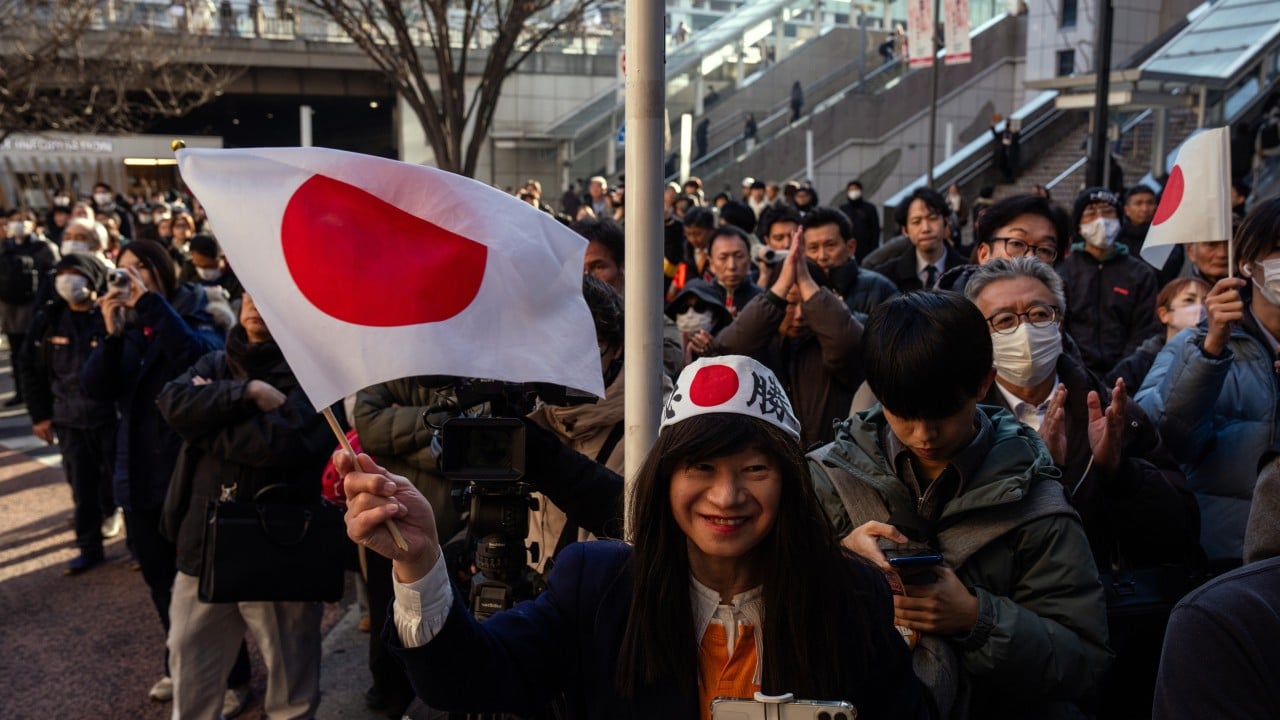
The far-right political actors who capitalize on these myths understand the psychology of grievance. They do not need a majority to wield power; they need intensity. By channeling online outrage into physical mobilization—small, megaphone-rattling street protests outside train stations—they create the illusion of a mass movement.
Mainstream politicians watch these gains with nervous calculation. When extremist voices successfully frame immigration as an existential threat to public safety, traditional parties face a gravitational pull. Policies that were once considered fringe—stricter surveillance, tougher visa revocations, public shaming campaigns—drift toward the center of political debate.
The Overton window shifts. What was once unspeakable becomes legislative agenda.
Quiet Streets, Loud Screens
Step away from the political rallies and the algorithmic echo chambers. Walk down a narrow alley in downtown Tokyo on a Tuesday morning.
Aung, a twenty-four-year-old engineering student from Myanmar, sweeps the pavement outside a small ramen shop. He has lived in Japan for three years. He speaks Japanese with careful, textbook precision. He saves half of his meager earnings to send home to his mother, who still lives under the shadow of civil conflict.
Aung loves the quiet discipline of Tokyo. He admires the way strangers return lost wallets with the cash untouched. He spends his Sundays studying kanji characters until his eyes blur.
Yet, lately, he has noticed subtle shifts in the air.
An elderly neighbor who used to greet him with a nod now looks away. On the subway, when he speaks quietly on his phone in his native language, passengers lean back, their faces tightening into masks of guarded hostility. He is no longer just Aung, the diligent student who fixes bicycle chains and helps at the local community center. On a screen somewhere, in the pocket of every commuter around him, he is a threat.
This is the true cost of manufactured panic. It does not just win seats in parliament; it corrodes the daily grace of human coexistence. It turns neighbors into suspects. It replaces curiosity with suspicion.
The Cost of Convenience
Japan stands at a historic crossroads, though most walk its streets pretending the path is flat.
The nation cannot have its labor and reject its laborers. It cannot consume the fruits of globalized economics while building digital walls against the human reality of that globalization. The far-right gains driven by anti-foreigner disinformation are not a sign of strength; they are the thrashing reflex of a society struggling to reconcile its storied past with an unavoidable future.
The algorithms will keep churning. The sensational videos will keep glowing in the dark, lighting up the faces of tired men at kitchen tables across the archipelago.
But beneath the neon, beneath the noise of the amplifiers and the digital phantoms, reality remains stubborn. An aging nation needs care. A shrinking workforce needs hands. And a society built on harmony must decide whether that harmony includes the stranger sweeping its doorstep, or only those who look like ghosts from yesterday.
The train doors close. The chime rings out. The city moves forward into the dark, carrying everyone together, whether they wish to share the journey or not.