We hear about military might in billions and trillions. Headlines flash numbers that blur together into abstract noise. But a conflict between Washington and Tehran carries an actual, concrete price tag that goes far beyond the initial shock and awe of airstrikes.
When you strip away the political bravado and look at the logistics, the true cost starts with busted bases, shattered supply chains, and a global economy that gets held hostage.
Most people think modern warfare looks like a quick campaign. They picture smart bombs doing all the heavy lifting while troops stay out of harm's way. That is a fantasy. The real friction of war happens in the logistics hubs, the forward-operating sites across the Middle East, and the mundane shipping lanes that keep the world running.
Let's look at what actually happens when the shooting starts.
The Vulnerability of Forward Bases
You cannot project power without real estate. Washington relies on a network of installations scattered throughout the Gulf region. Al Udeid Air Base in Qatar, Ali Al Salem in Kuwait, and various staging areas in the United Arab Emirates form the backbone of American posture in the region.
These sites are massive targets.
When tensions boil over, the first wave of retaliation rarely hits American soil. It lands on these regional facilities. Iran has spent decades refining asymmetric warfare. They don't need a massive blue-water navy to cause billions in damage. They rely on cheap, mass-produced loitering munitions and ballistic missiles.
Intercepting a three-thousand-dollar drone with a multi-million-dollar interceptor missile creates a catastrophic math problem for defense budgets. You can win every tactical engagement and still go broke doing it.
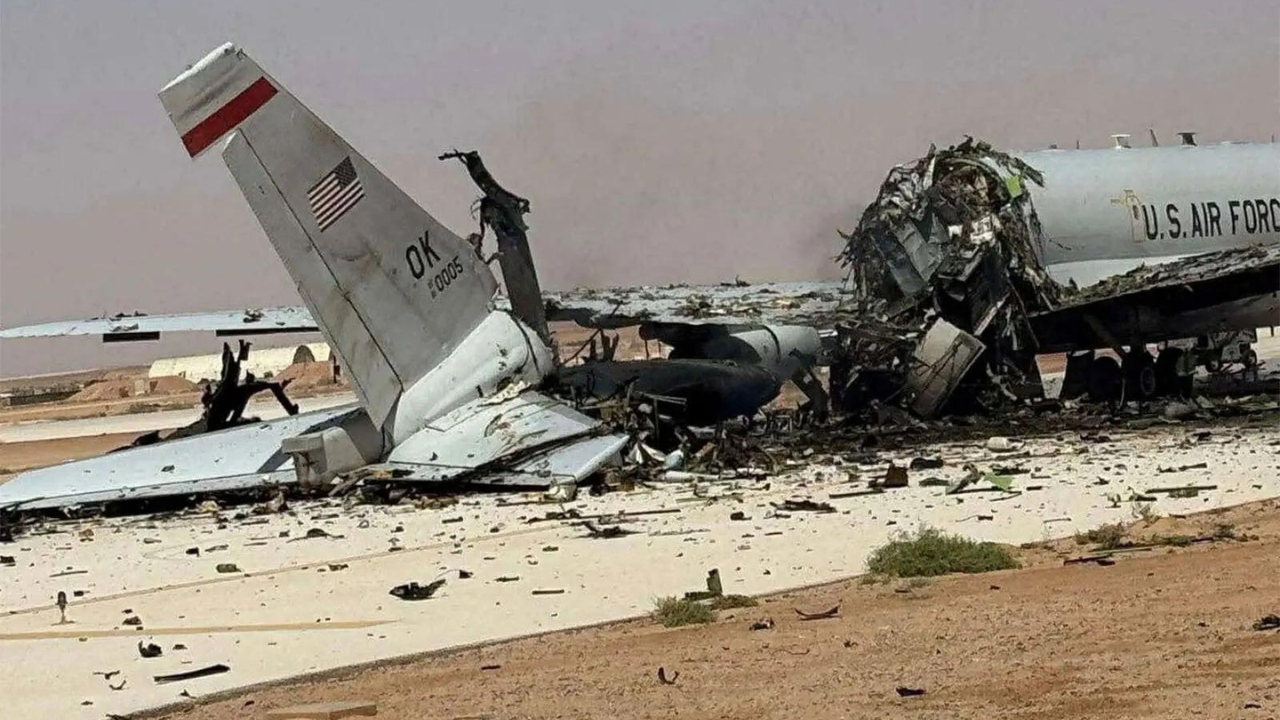
When these bases take hits, the repair bill is astronomical. Hardened aircraft shelters, radar arrays, fuel depots, and runway infrastructure take months to rebuild. Meanwhile, aircraft get displaced, sortie rates drop, and operational readiness plummets. The bravado vanishes the moment procurement officers look at the replacement costs for high-end military hardware.
Chokepoints and Economic Shockwaves
War is never localized in the modern era. The Strait of Hormuz handles roughly a fifth of the world's petroleum consumption. If Tehran decides to close or heavily mine this narrow waterway, global energy markets go into an immediate tailspin.
You feel this at the pump within forty-eight hours.
Shipping companies refuse to send multi-million-dollar crude carriers through a combat zone without astronomical war-risk insurance premiums. Those costs trickle down to everything else. Fertilizer gets expensive. Plastics get expensive. Transporting goods across oceans becomes a high-stakes gamble.
Economists talk about recessions like they weather events that just happen. They don't. They get manufactured by supply shocks like a major Gulf conflict. The ripple effect hits manufacturing sectors from Detroit to Tokyo. When energy spikes, inflation follows close behind. The hidden cost of war isn't just paid in defense appropriations bills passed by Congress. It gets paid by working families grocery shopping and paying utility bills.
The Logistics Nightmare
People underestimate how hard it is to move gear across an ocean.
During peacetime, military logistics are a massive administrative headache. During an active exchange with a regional power like Iran, they turn into a nightmare. Every spare part, every round of ammunition, and every medical supply must transit thousands of miles of contested air and sea space.
Maintenance cycles accelerate under combat conditions. Jet engines burn through life hours at record rates. Sand wreaks havoc on turbine blades and sensitive electronics. You burn through your war reserves in weeks.
Rebuilding those stockpiles takes years. The defense industrial base simply doesn't have the surge capacity to replace complex guided munitions overnight. When you empty your shelves to fight a regional adversary, you leave yourself dangerously exposed elsewhere in the world. That is the strategic trap nobody wants to talk about on cable news.
The Myth of Quick Containment
Politicians love selling clean exits. They promise surgical strikes that solve complex geopolitical problems without long-term commitments. History tells a very different story.
Once you break things in the Middle East, you own the aftermath.
Escalation is not a ladder you can climb and step off whenever you feel like it. It's a slope you slide down. If airbases take heavy damage, you have to respond with heavier escalation to deter the next strike. That draws in proxy militias, threatens neighboring states, and forces regional allies into uncomfortable positions.
Before long, you are managing a multi-theater crisis with no clear off-ramp. The cost shifts from hardware to diplomatic capital, regional stability, and human lives.
We need to stop treating conflict as a video game where resources magically regenerate. The bills always come due. Understanding the real cost of a United States Iran war means looking past the flag-waving rhetoric and facing the messy, expensive, and destructive reality on the ground. Protect stability, value diplomacy, and remember that breaking things is easy compared to picking up the pieces.