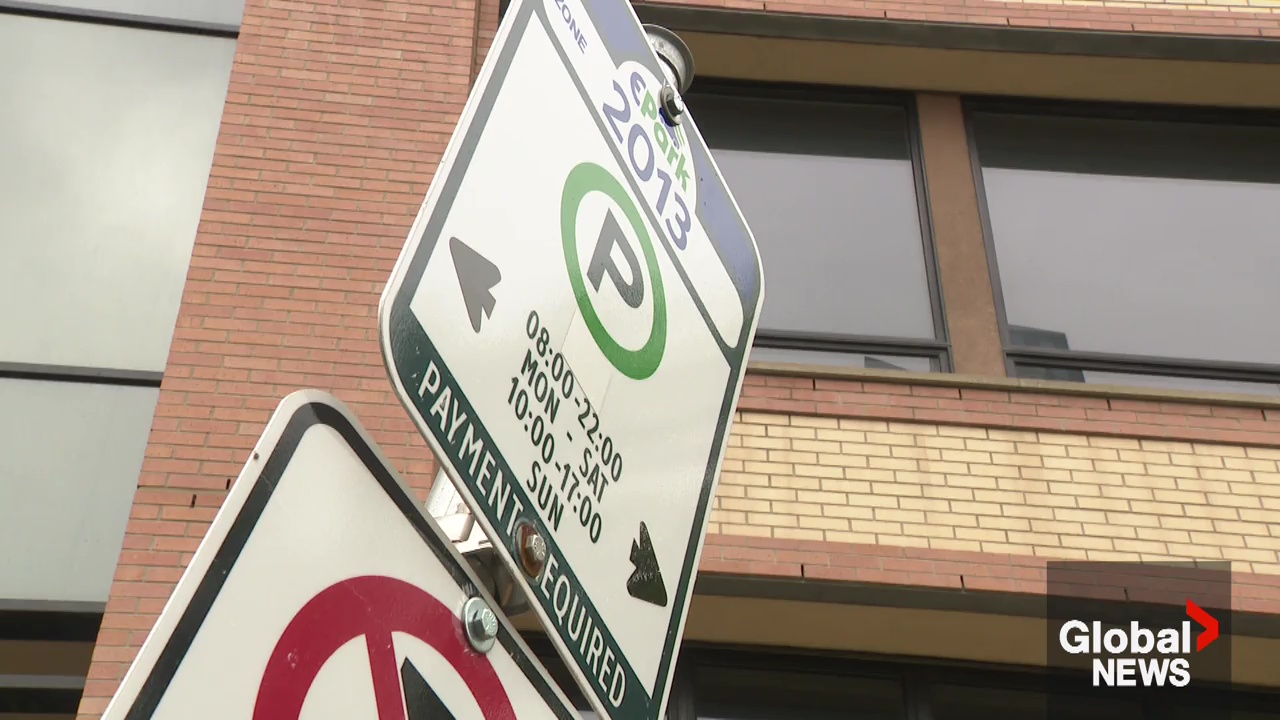
Edmonton drivers are about to lose their ultimate safety net: the free 15-minute parking window. A high-stakes proposal heading to the city’s urban planning committee on June 9, 2026, aims to eliminate the complimentary quarter-hour grace period across all EPark street zones. If approved, the sweeping policy overhaul will also introduce paid parking meters at major city-owned tourist and community facilities, including the Muttart Conservatory, Fort Edmonton Park, and the Edmonton Valley Zoo. City administration insists the measures are designed to increase vehicle turnover and free up premium curbside space.
The underlying reality is far less noble. This is an aggressive cash grab meant to patch a leaking municipal budget without triggering another massive property tax hike. By wiping out the free 15 minutes, hiking core hourly rates, and tolling family attractions, the city expects to double its annual parking revenue to $10.4 million by 2028. It is a desperate financial pivot disguised as modern urban planning.
The Death of the Quick Stop
For years, the first 15 minutes of an EPark session cost nothing. It was a calculated buffer that allowed delivery drivers, courier couriers, and local shoppers to dash into a business, grab a coffee or a loaf of bread, and leave without feeding the digital meter.
Local independent businesses warn that erasing this buffer strips away their last competitive advantage against suburban big-box stores wrapped in acres of free concrete asphalt. On avenues like Whyte and Jasper, where retail survival margins are razor-thin, the policy represents a psychological barrier for consumers.
Proposed Zoo & Attraction Pricing
┌─────────────────────────────────┬──────────────────┐
│ Time Segment                    │ Cost             │
├─────────────────────────────────┼──────────────────┤
│ First 60 Minutes                │ Free             │
│ Each Subsequent 30 Minutes      │ $1.00            │
│ Maximum Daily Cap               │ $5.00            │
└─────────────────────────────────┴──────────────────┘
The administration argues that forcing drivers to pay for every single minute improves curbside efficiency. Yet, the business community views the removal of physical EPark kiosks and the eradication of free evening and Sunday parking as a coordinated campaign that alienates regional visitors. When a quick trip to a local bookstore or bakery requires navigating a glitchy smartphone app just to avoid a heavy fine for a three-minute stay, consumers simply choose to shop elsewhere.
Subsidies Under the Microscope
The political defense of the policy relies on a well-worn economic truism: there is no such thing as a free parking spot. Maintenance, snow clearing, asphalt repairs, and automated enforcement technologies carry real, escalating costs that do not disappear just because a driver doesn't see a charge on their dashboard screen.
"We sometimes forget that free parking isn't actually free. And so we subsidize it using our property taxes." — Edmonton Mayor Andrew Knack
City hall officials argue that the status quo forces non-driving taxpayers to foot the bill for the infrastructure used by vehicle owners. By shifting the financial burden directly onto the motorists occupying the stalls, the city aims to create a self-sustaining user-fee model.
Projected Annual Parking Revenue Increase
2026: $5.2 Million (Current Baseline)
2028: $10.4 Million (Projected Under New Policy)
The proposed framework for major city facilities attempts to soften the blow for families. Under the pilot project slated for places like the Muttart Conservatory and the Edmonton Valley Zoo, the city plans to keep the first hour free. After that initial hour, visitors will pay $1 for every subsequent 30 minutes, capping out at a $5 daily maximum.
To prevent public backlash from pass holders, planners are trying to integrate parking discounts directly into annual recreation passes and low-income municipal affordability programs via the HotSpot platform.
The Budget Crisis Behind the Meter
The sudden urgency to monetize every square meter of municipal asphalt stems from a structural crisis inside city hall. Following four consecutive years of steep property tax increases, local politicians have hit a political wall. Taxpayers are tapped out, inflation has driven up the cost of public projects, and the city’s operational expenses continue to climb.
Turning to parking fees is an easy way to generate millions in non-tax revenue without needing to pass a politically toxic budget increase.
- Targeted Neighborhood Growth: The city will launch extensive public consultation to expand residential parking permit zones.
- Aggressive Enforcement: The implementation of automated camera vans and digital scanning technology will ensure high compliance.
- Dynamic Congestion Pricing: Highly trafficked commercial zones will see rates shift based on real-time vehicle demand.
This strategy introduces a dangerous imbalance. While the city promises that these fees will shelter property owners from future tax spikes, the immediate financial pain falls squarely on the service workers, delivery drivers, and small business owners who rely on accessible urban centers to make a living.
Driving Customers to the Suburbs
The long-term danger of this parking strategy is the structural damage it can inflict on the cultural heart of the city. While downtown private parkades are often cheaper per day than surface lots, the street-level ecosystem relies entirely on casual, friction-free access.
By eliminating small conveniences like the 15-minute grace period, Edmonton risks accelerating the flight of retail capital to surrounding municipalities like Strathcona County or St. Albert, where parking remains abundant and free.
A vibrant city requires an accessible core. When a municipality treats its public streets primarily as a revenue-generating asset rather than shared civic infrastructure, it compromises the long-term health of its local economy just to balance a short-term balance sheet.