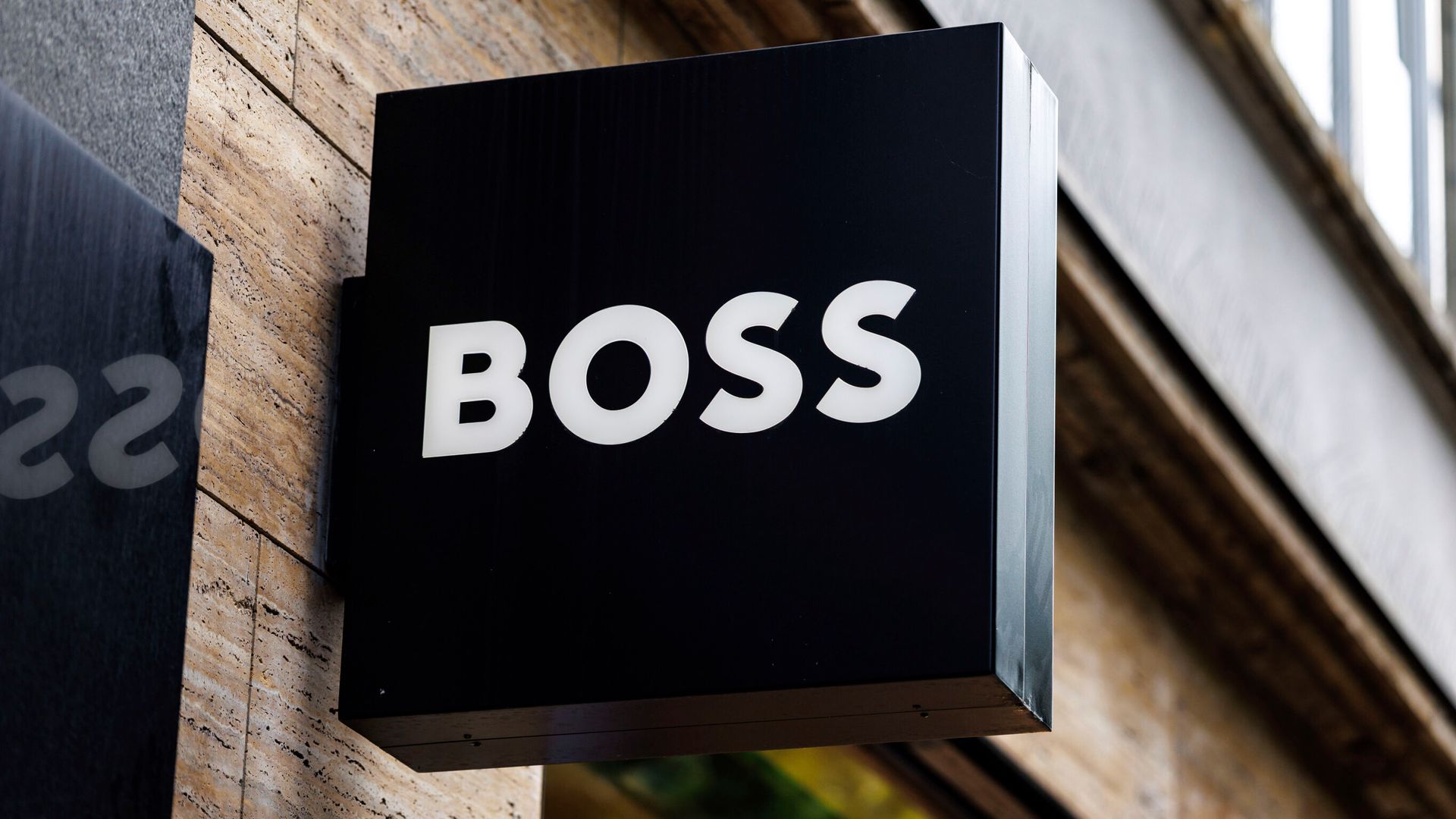
Frasers Group has officially launched a voluntary public takeover offer for Hugo Boss, valuing the German fashion icon at €2.7 billion. The UK retail powerhouse, which holds roughly 26% of Hugo Boss's share capital, is offering €38.00 per share in cash to buy out the remaining 74% of the business. By placing nearly €2 billion on the table, Chief Executive Michael Murray and majority shareholder Mike Ashley are trying to permanently erase the boundary between discount sportswear and high-end luxury. This move aims to secure supply chains, eliminate mandatory takeover triggers, and force a radical shift in how the German label allocates its capital.
The timing and structure of this cash offer reveal a calculated chess move rather than a desperate land grab. By pitching the bid at just a 4% premium over the market closing price, Frasers is executing a low-cost, high-leverage strategy. Building on this idea, you can find more in: The Corporate Transparency Friction Index: Deconstructing the Companies House 2028 Mandate.
The Low Premium Paradox
Corporate takeovers typically require a hefty premium to entice institutional investors to part with their equity. A meager 4% premium rarely triggers a stampede of sellers. Yet, inside sources indicate that full ownership might not even be the immediate goal for the Shirebrook-based conglomerate.
Under German market regulations, once a suitor crosses the 30% shareholding threshold, they are legally obligated to launch a mandatory takeover offer for the entire company. Frasers currently holds a complex web of direct shares alongside financial derivatives and options set to vest over the next two years. Without this voluntary bid, the gradual vesting of those options would inevitably trigger an unpredictable, legally mandated offer at an inconvenient time. Observers at Bloomberg have provided expertise on this trend.
By launching a voluntary bid now with no minimum acceptance threshold, Frasers effectively clears the regulatory runway. They can absorb whatever shares the market throws at them, cross the 30% mark without friction, and steadily build a dominant majority on their own terms.
Escaping the Sportswear Ghetto
To understand why a retail empire built on £5 tracksuits and giant coffee mugs wants a German tailoring house, one must look at the shifting realities of global fashion distribution. Mega-brands like Nike and Adidas have spent years pivoting toward direct-to-consumer digital sales, squeezing the margins of traditional third-party retailers.
Frasers recognized early on that relying solely on Sports Direct was a long-term existential risk. The response was an aggressive premiumization strategy. The group bought up department stores like House of Fraser and expanded Flannels, a luxury boutique chain designed to sell high-end streetwear and designer clothing to regional UK consumers.
But premiumization requires premium product. Luxury brands are notoriously protective of their distribution networks; they do not want their suits hanging next to discount running shoes.
By buying Hugo Boss, Frasers transforms from a dependent customer into an un-killable partner. The German label is already a top-five brand across the Frasers network. Securing full control ensures that Flannels and the group's flagship stores maintain a guaranteed, uninterrupted pipeline of high-margin luxury goods, regardless of how exclusive the rest of the fashion industry tries to become.
The Bitter Boardroom Battle Over Cold Hard Cash
This takeover bid is the climax of an ongoing ideological war regarding what Hugo Boss should do with its money.
The relationship between the two companies soured behind the scenes when Frasers openly attacked the German management team's capital allocation. Hugo Boss has been navigating a cooling global luxury market, prompting the executive team to focus on defensive strategies and steady dividend payouts to appease institutional investors.
Frasers publicly opposed this plan. The UK group argued that the Hugo Boss share price was fundamentally undervalued and demanded that the management team scrap the dividend entirely. In the eyes of Mike Ashley and Michael Murray, every euro paid out to passive shareholders is a euro that should have been used to buy back shares, redeem treasury stock, or invest aggressively in market expansion.
Frasers Group Financial Firepower (2026)
-----------------------------------------
Existing Debt Facility:  £1.65 Billion
New Term Loan Facility:  £3.00 Billion
Additional Accordion:    £0.50 Billion
Total Available Capital: £3.50 Billion
With a recently secured £3.5 billion banking war chest backed by BNP Paribas, Deutsche Bank, NatWest, and Standard Chartered, Frasers has the financial muscle to vote down management proposals. They want to retain cash within the business to fuel aggressive growth, effectively remodeling Hugo Boss in the image of Frasers' own lean, cash-hoarding corporate structure.
Why the Luxury Gamble Could Stumble
Despite the financial logic, the cultural friction between Shirebrook and Metzingen remains an unresolved risk. Hugo Boss has spent years executing its own brand transformation, splitting its identity into the youth-focused "Hugo" and the premium "Boss" lines to claw back market share from rivals.
Managing a premium brand requires subtlety, patience, and an acceptance of lower volume in exchange for higher brand equity. Frasers Group, by contrast, is a machine built on operational efficiency, aggressive acquisitions, and adversarial corporate governance. The company frequently buys stakes in competitors—such as its recent near-6% acquisition of Puma—to apply structural pressure rather than to cultivate artistic vision.
If Frasers tightens its grip too much, it risks alienating the creative talent and brand purists who maintain the prestige of the label. A luxury brand stripped of its exclusivity quickly becomes an ordinary apparel company.
The offer is now heading toward a critical shareholder vote. Whether institutional investors accept the €38-a-share exit or hold out for a higher premium, Frasers has structurally altered the game. They have forced their way into the driver's seat of continental luxury, and they have no intention of letting go of the wheel.