Heated midterm Senate debates during the 2026 cycle did not break down because candidates suddenly lost their manners. They broke down because economic stress, foreign conflict, and raw cultural grievance collided on stage in front of voters already exhausted by high prices and institutional drift.
Anyone watching battleground matchups in Georgia, Michigan, or Maine saw a predictable script give way to something much sharper. Moderators asked polite questions about budgets, energy, and healthcare. Candidates used the ninety-second clock to prosecute entire movements, question loyalties, and drag personal biographies into the glare of prime time.
Why Pocketbook Anger Hijacked Every Stage
Affordability stopped functioning as a talking point and became a blunt instrument during the 2026 debates. Groceries, fuel, housing, and medical bills were not abstract macro numbers to the people watching at home; they were daily friction points.
When contenders argued on stage, each side tried to pin that household squeeze on a single villain. Challengers pointed to tariffs, trade disruptions, and energy shocks tied to conflict involving Iran. Incumbents and defenders of White House policy countered with prior spending bills, inflation carryover, or targeted federal relief measures.
The real lesson from those exchanges is simpler than either campaign admitted. Voters were not looking for a lecture on supply chains or Treasury yields. They wanted proof that the person asking for six years in Washington understood why a weekly shop or a tank of gas felt heavier than it used to.
- Fuel and energy costs forced candidates from industrial midwestern states to coastal New England to talk about taxes, heating oil, and geopolitical shocks in the same breath.
- Tariff and trade disputes turned routine economic questions into arguments over whether protectionism was shielding domestic workers or taxing ordinary families.
- Infrastructure and growth collided with local anxiety when debates touched on rapid data center expansion and power demands.
A debate stage exposes a candidate's reflex under pressure faster than any polished thirty-second ad ever could.
How Proxies and Personal Attacks Replaced Policy Nuance
Watch enough Senate debates and a pattern jumps out. Candidates rarely argue head-to-head on technical policy details for long because nuance loses oxygen fast in a soundbite environment.
Instead, they turn their opponent into a stand-in for forces voters already love or loathe. One side frames a rival as a rubber stamp for the White House or an extension of an unpopular foreign entanglement. The other side paints the opponent as a radical extremist, an out-of-touch partisan, or a captive of outside political networks.
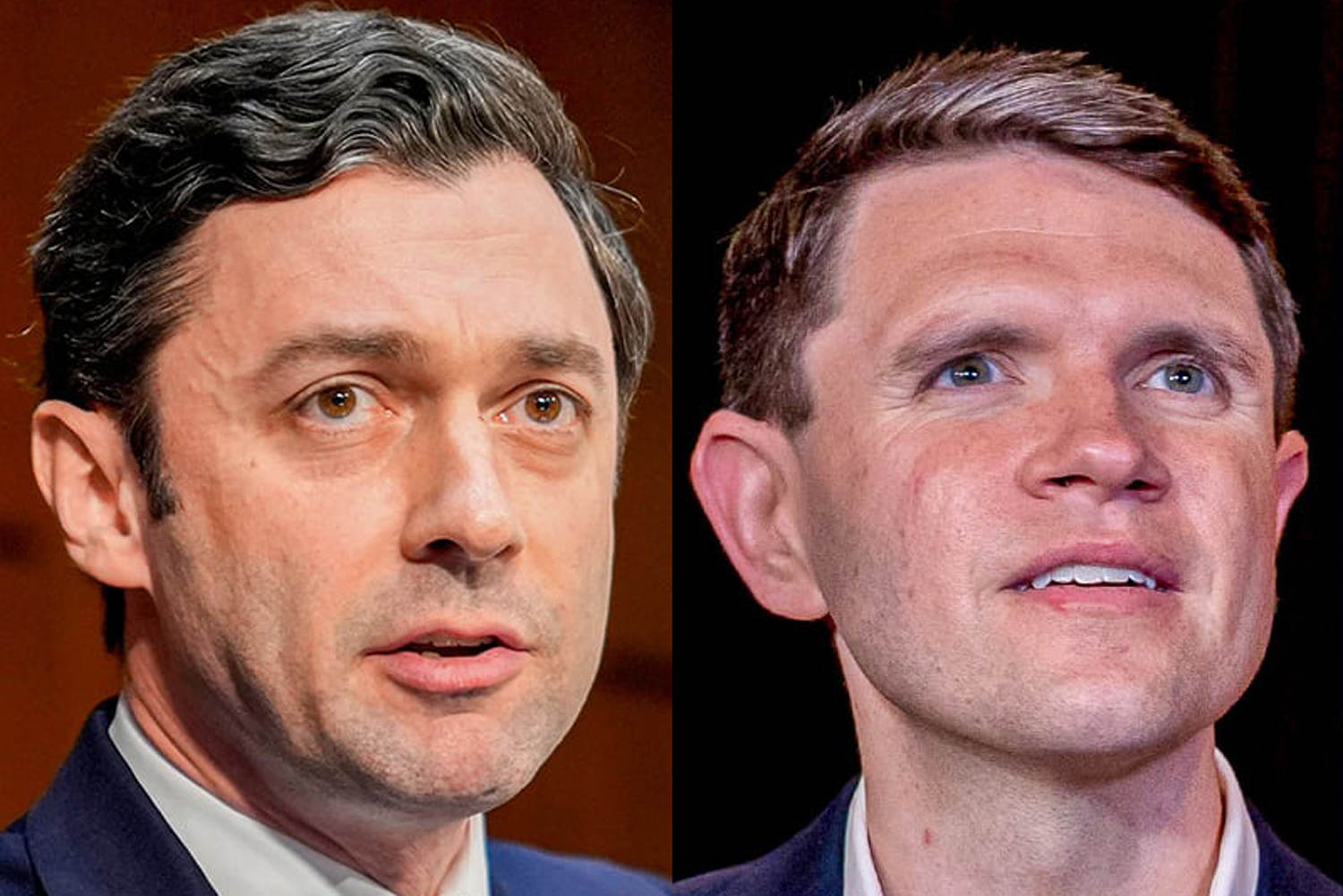
Things got even sharper when races drifted from policy into character and association. In Georgia, clashes between Jon Ossoff and Mike Collins spilled from tariffs and data centers into personal accusations involving staffers, family ties, extremism, and threats.
That shift carries real risk. Personal attacks can energize a base clip on social media within minutes. Yet they can also turn off swing voters who tune in hoping to see who actually has a command of the job.
The Hidden Mechanics Behind Debate Theater
To understand why these broadcasts felt so combustible, look past the shouting and examine how modern campaigns treat a televised debate. Campaigns no longer view a debate as a persuasion event aimed at undecided middle-of-the-road voters alone.
They treat it as a content factory. Every sharp line is engineered to be clipped, captioned, and pushed into feeds before the credits even roll.
| Debate Dynamic | Surface Effect on Stage | Underlying Strategic Purpose |
|---|---|---|
| Rapid-fire interruptions | Creates chaos and frustrates viewers watching for policy depth | Denies the opponent a clean, uninterrupted clip for their own supporters |
| Nationalization of state races | Pulls local concerns into fights over the president or foreign wars | Taps into high-salience national anger to boost turnout and donor energy |
| Character and association charges | Shifts focus from legislation to identity, loyalty, and conduct | Forces the target onto defense and tests whether doubts stick with persuadable voters |
| Pocketbook ultimatums | Reduces complex budgets to a yes-or-no test on household costs | Anchors the race on the single issue where voters already feel acute pain |
There is a catch to this playbook that strategists sometimes miss. Over-choreographed aggression can backfire if a candidate sounds rehearsed rather than authentic.
Consider a hypothetical example of a Senate challenger who memorizes five pre-packaged zingers about energy prices and repeats them regardless of the question asked. On paper, the lines look punchy. On screen, if the voter at home hears a canned speech instead of a direct answer, the moment feels hollow.
What Debates Actually Reveal About Electability
Post-mortems after midterm elections often crown a "debate winner" within an hour of the final gavel. That judgment is usually premature.
Debates rarely flip a double-digit race by themselves. A strong performance helps a trailing candidate build credibility, raise money, and prove they belong on the same stage as a seasoned incumbent. A bad performance—one marked by evasion, rambling answers, or visible temper—can confirm existing doubts among hesitant voters.
In the 2026 cycle, the broader political environment already carried heavy headwinds from cost-of-living frustration, foreign conflict, and demand for checks and balances. Debates functioned like a magnifying glass over those exact pressures rather than creating them out of thin air.
- Discipline beats volume when a candidate stays anchored to a clear economic message while answering direct questions.
- Credibility requires receipts, especially when attacking an opponent's record on spending, trade, or oversight.
- Temperament matters most in tight races, where a small slice of undecided voters decides who takes the seat.
Even so, voters and analysts alike should treat debate takeaways with healthy skepticism. A sharp one-liner does not automatically translate into legislative skill once a senator reaches Capitol Hill, nor does a stumble on a tricky question erase months of ground game and voter contact.
The Real Takeaway for Voters and Campaigns
The biggest lesson from heated midterm Senate debates is not that politics has grown louder. It is that voters are grading candidates on whether they can handle real pressure without losing sight of everyday life.
When the cameras fade and the campaign banners come down, the speeches matter far less than the governing that follows. Watch how the winners handle oversight, budgets, and constituent problems once the microphones are no longer set up for applause.