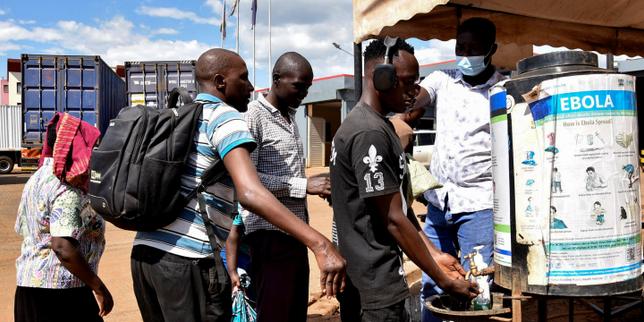
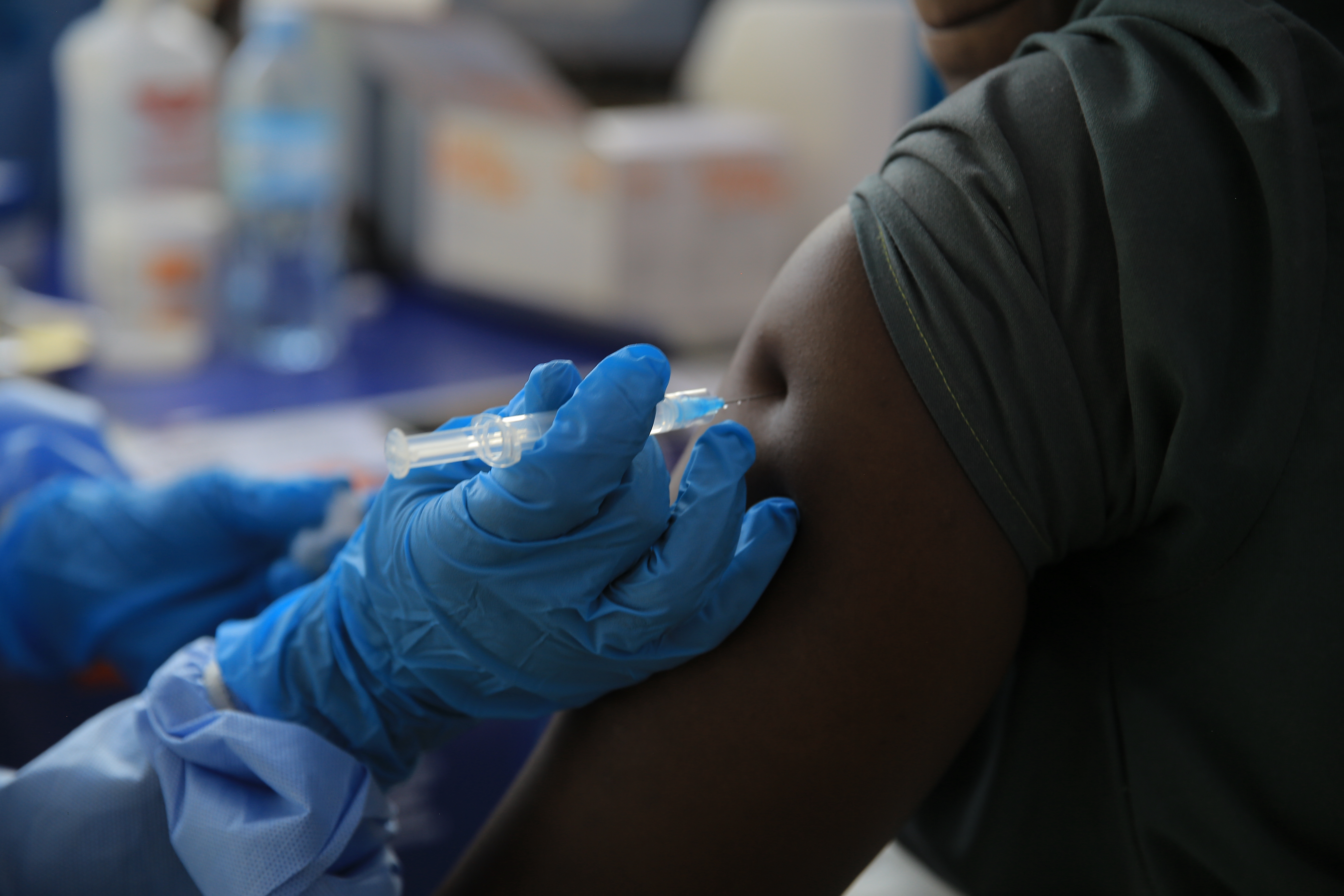
Nigeria confirmed a single laboratory-tested case of Bundibugyo Ebola virus disease in Abuja on October 20, 2026, in a 42-year-old woman who had traveled from Uganda via Addis Ababa. That headline sounds like a contained border alert. It is not.
Look closer at the timeline and the pathogen. The patient arrived in Abuja on October 3, developed symptoms on October 7, sought medical care at a private facility between October 10 and 11, and was not reported to the Nigeria Centre for Disease Control and Prevention until October 19. Twelve days passed between the onset of fever, diarrhea, body aches, and sore throat and the moment national health authorities were alerted. Also making waves recently: The Cosmetic Surgery Wild West is Crashing Into Hard Reality.
In filovirus containment, twelve days is an eternity.
Standard coverage of this event treats the Abuja case as an isolated import that public health agencies caught and neutralized—especially after the patient improved clinically and was medically evacuated to Switzerland on October 26 or 27. That framing misses the bigger story. A pathogen that caused a massive, deadly outbreak across the Democratic Republic of the Congo starting in spring 2026 has now surfaced in West Africa's most populous country, linked by genomic sequencing to the broader regional transmission chain even after Uganda's outbreak had been declared over. Further information into this topic are explored by National Institutes of Health.
How a Twelve-Day Delay Slipped Past Abuja's Defenses
The numbers from the official situation reports tell a sobering story about early detection. A traveler comes off an international flight into Abuja on October 3. Four days later, on October 7, she falls ill. By October 10 or 11, she is at a private health facility. Yet the notification to the Nigeria Centre for Disease Control and Prevention does not happen until October 19, with laboratory confirmation following on October 20.
Private clinics are the front door of urban healthcare across much of Nigeria. Millions of residents—and expatriates, diplomats, and travelers—walk into private facilities long before they ever see a public hospital or a state surveillance officer.
Early Ebola symptoms mimic almost everything else. Fever, sore throat, generalized body aches, and diarrhea look like malaria, typhoid, influenza, or a routine gastrointestinal bug. Without unexplained bleeding—which was not reported at presentation in this case—a busy clinician in a private ward has every routine reason to treat for common tropical illnesses first.
When early symptoms look like malaria or a bad stomach flu, private clinics become accidental bottlenecks unless suspicion triggers testing right away.
Contact tracing illustrates how wide the ripple becomes when detection lags. Public health teams identified 53 contacts in initial reporting and 62 contacts cumulatively in Nigeria, spanning healthcare workers, domestic staff, and a spouse, before moving through 21-day monitoring windows into November. Every day a symptomatic patient moves through homes, transit hubs, and clinic rooms multiplies the number of people who must be tracked, isolated, or watched for fever.
Why Bundibugyo Ebola Changes the Medical Math
Not all Ebola species carry the same clinical or pharmaceutical baggage. This case involves Bundibugyo ebolavirus, the same species driving the major 2026 outbreak that began in the Democratic Republic of the Congo in spring 2026 and crossed borders into neighboring countries.
Public commentary often assumes that because Ebola vaccines and monoclonal antibody therapies exist, health agencies hold a silver bullet. That assumption conflates different viruses within the same genus.
Licensed vaccines and targeted therapeutics with proven clinical efficacy were developed primarily around Zaire ebolavirus. Bundibugyo virus is genetically and antigenically distinct enough that countermeasures built for Zaire Ebola cannot simply be assumed to offer equivalent protection.
| Factor | Zaire Ebolavirus | Bundibugyo Ebolavirus (2026 Context) |
|---|---|---|
| Countermeasure Readiness | Licensed vaccines and targeted monoclonal therapies widely studied | No licensed vaccine or specific approved treatment specifically validated for Bundibugyo |
| Cross-Protection Reality | Benchmark for existing filovirus tools | Cross-reactive antibodies exist, but protective efficacy remains uncertain |
| Diagnostic & Clinical Picture | Well-characterized reference assays | Divergent sequences and non-specific early signs can delay recognition |
| Outbreak Scale in 2026 | Not the primary driver of the 2026 DRC-linked wave | Linked to over 10,000 confirmed DRC cases and cross-border imports by late 2026 |
Researchers have observed cross-reactive immune responses after Zaire Ebola vaccination. Binding on a lab assay is not the same thing as reliable neutralization in a sick patient. When a frontline physician has no Bundibugyo-specific antiviral or vaccine in hand, supportive care—aggressive fluid and electrolyte management, organ support, and strict infection control—remains the bedrock of survival.
The 2026 outbreak in the Democratic Republic of the Congo underscores how punishing this virus can be at scale. Across eight affected provinces by early November 2026, cumulative confirmed cases climbed past 10,600 and then 11,100, with thousands of deaths and a case-fatality ratio hovering near half of confirmed cases. Even a single imported case in a megacity-adjacent capital carries high stakes when the underlying pathogen is this formidable.
The Uganda Link and the Illusion of Closed Borders
Here is the puzzle that makes investigators pay close attention. Official assessments noted that Uganda had declared its outbreak over in late July 2026, followed by the World Health Organization's 42-day countdown mark on August 27, 2026.
Yet the 42-year-old woman in Abuja had a travel history from Uganda, transiting through Addis Ababa on October 3 before falling ill four days later. Genomic sequencing reported in late October linked viruses in Kenya and Nigeria to the same broader transmission chain originating from the Democratic Republic of the Congo, raising questions about whether low-level or undetected transmission could persist across mobile populations in the region.
Border declarations are administrative milestones. Viruses do not read press releases.
People move along flight corridors, highway trade routes, family networks, and cross-border districts regardless of whether a 42-day epidemiological clock has expired. A traveler can spend time in a country where active outbreak declarations have ended, pick up an infection linked to a wider regional chain, board an international flight with a layover, and develop symptoms days later in another capital.
To see how easily that happens in everyday life, consider a hypothetical traveler who visits a border town weeks after an outbreak is declared over, stays in a crowded guesthouse, and flies home feeling fine. If fever starts five days after landing, airport thermal checks on arrival would have caught nothing because the person was not yet symptomatic.
Medical Evacuation vs. Domestic Health System Strength
The patient's clinical recovery and medical evacuation to Switzerland—reported on October 26 or 27, with her husband also placed under isolation and monitoring in Switzerland—became a major part of the international news cycle.
Evacuation solves an immediate diplomatic and specialized-care question for an individual with access to international medical transport. It does not fix domestic vulnerability.
When a high-consequence patient is flown out of a country, the spotlight often shifts away from the unglamorous work left behind:
- Private facility triage: Ensuring nurses and doctors in private clinics isolate patients with unexplained fever and travel links immediately rather than treating them in open wards.
- Laboratory turnaround: Moving specimens rapidly to reference labs so confirmation takes hours or a couple of days instead of happening nearly two weeks after symptom onset.
- Contact welfare and trust: Keeping dozens of contacts—including health workers and household members—supported, fed, and monitored for the full 21 days without stigma or evasion.
- Negative-test follow-through: Investigating other alerts—such as suspected cases reported in Rivers and Adamawa states—promptly and transparently so false alarms do not breed fatigue or panic.
Nigeria is not starting from zero. Public health teams in the country have hard-won institutional memory from past infectious disease emergencies, and rapid mobilization of contact tracers and reference laboratories prevented secondary spread from this confirmed Abuja case.
Still, escaping a close call is different from closing the gap. A single imported Bundibugyo case detected twelve days into illness proves that regional outbreaks do not stay neatly inside their borders—and that speed at the clinic door matters far more than headlines about a single patient leaving the country.