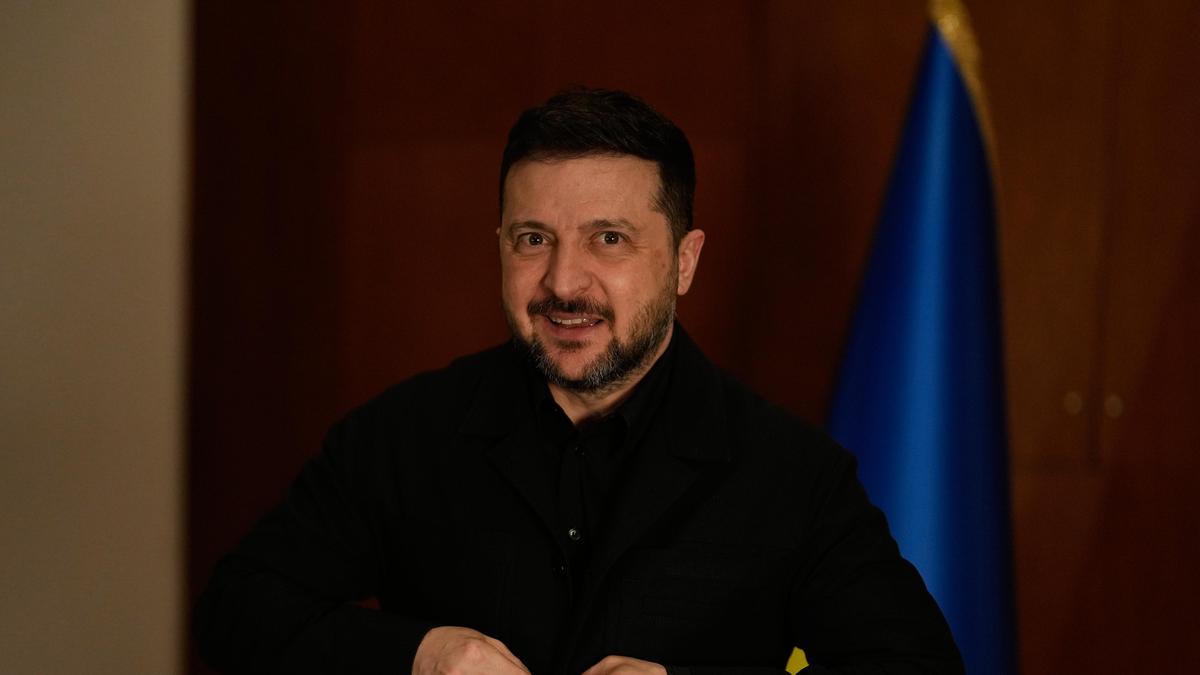
The shadow war over the global energy supply has entered a volatile new phase. Following the announcement of a two-week ceasefire between the United States and Iran on April 7, 2026, Ukrainian President Volodymyr Zelenskyy has launched a diplomatic offensive to close the "emergency exit" he claims Russia has been using to fund its ongoing invasion.
Zelenskyy’s demand is straightforward: the immediate and total reinstatement of the Russian oil sanctions that were quietly loosened during the height of the Middle East conflict.
When the Strait of Hormuz was effectively shuttered on March 4, 2026, the global economy faced its most severe supply shock in history. With 20% of the world's seaborne crude suddenly stranded, the Biden administration issued a series of 30-day waivers, allowing various nations to purchase Russian petroleum products above previous price caps to prevent a total industrial collapse in the West. It was a move born of desperation. But for Kyiv, it was a betrayal of the economic siege meant to starve the Kremlin’s war machine.
The Great Sanction Leak
The 2026 energy crisis created a perverse set of incentives. As Brent crude surged toward $120 per barrel, the G7-led price cap mechanism—once set at $44.10 earlier this year—became a ghost. To keep pumps flowing and home heating affordable during the spring, Western regulators looked the other way as "dark fleet" tankers moved Russian Urals crude to desperate buyers.
Zelenskyy’s latest move is an attempt to force a pivot. He argues that with the Strait of Hormuz tentatively reopening under the new ceasefire, the "market stability" excuse no longer holds water.
"We are waiting for sanctions on Russian oil to be fully reimposed, as they were before," Zelenskyy stated during an embargoed briefing on April 10. The timing is critical. Ukraine is currently facing a "spring-summer" squeeze where diplomatic pressure to negotiate a peace deal is mounting alongside Russian military pressure on the Donbas. By hitting Russia’s wallet now, Kyiv hopes to regain the leverage it lost while the world was distracted by Tehran.
The Ukrainian Foreign Legion in the Gulf
Perhaps the most startling revelation from the past 48 hours is the extent of Ukraine's direct military involvement in the Middle East conflict. Zelenskyy confirmed that Ukrainian air defense teams were dispatched to at least four countries in the Middle East to intercept Iranian-made Shahed drones.
This was not a gesture of goodwill. It was a cold, calculated transaction.
Ukrainian specialists—the most experienced drone-hunters in the world—provided the expertise needed to down the very same weapons that have been raining down on Kyiv for years. In return, Ukraine is reportedly securing three things:
- Interceptor missiles to replenish their own depleted stocks.
- Financial arrangements to prop up a struggling national budget.
- Guaranteed oil supplies to bypass Russian-influenced markets.
By exporting their combat expertise to the Gulf, Ukraine has effectively turned the Iranian war into a secondary front against Moscow. If they can help stabilize the Middle East, they remove the West's primary justification for tolerating Russian oil exports.
Why the Ceasefire Changes the Math
The two-week ceasefire is fragile, but it provides a window. For the last month, the United States has been operating in a state of high-altitude triage. The national budget is buckling under a war cost exceeding $200 billion, and domestic gasoline prices have hovered above $4.00 per gallon.
Under these conditions, the White House prioritized "energy security" over "sanction integrity." This created a massive revenue windfall for the Kremlin. Estimates suggest Russia’s oil revenue jumped significantly in March as the "war premium" on crude prices combined with the easing of enforcement.
Zelenskyy’s argument is that the West cannot have it both ways. You cannot fund the defense of Ukraine with one hand while providing Russia with a record-breaking revenue stream with the other. He is essentially calling a bluff: if the Iran ceasefire is real, then the Russian oil taps must be tightened immediately.
The Price of a Permanent Solution
The road back to a $44.10 price cap is littered with obstacles. The International Energy Agency (IEA) has warned that even with the ceasefire, the logistics of the oil market remain broken. Damage to major infrastructure, such as Shell’s Pearl gas-to-liquid plant which sustained missile hits, will take at least a year to repair.
Furthermore, the "dark fleet"—a shadowy network of aging tankers with opaque ownership—has become more sophisticated. Even if the G7 reimposes the strictest version of the cap, these vessels continue to move millions of barrels under the radar.
The Brutal Truth
Sanctions are not a binary switch. They are a sieve. To truly starve the Russian energy sector, the West would need to move from "price caps" to a "total blockade" of Russian maritime exports, a move that would almost certainly reignite the global inflation firestorm that the Iran ceasefire was designed to douse.
Defensive Economics
Ukraine has already begun its own enforcement. Over the last month, the Ukrainian military has claimed responsibility for strikes on more than a dozen Russian oil facilities, including the massive Baltic ports of Ust-Luga and Primorsk.
When Western partners asked Kyiv to scale back these strikes to prevent global price spikes, Zelenskyy’s response was blunt: Russian oil doesn't matter as much to the global market as the West claims. He views the "market stability" argument as a rhetorical shield used by politicians who are afraid of high gas prices during an election year.
The next few months will determine the trajectory of both wars. If the US fails to reimpose the sanctions, it signals to Moscow that Western resolve is finite and tied directly to the price of a gallon of gas. If they do reimpose them, they risk a renewed economic shock just as the Middle East begins to cool.
Ukraine has made its move. By proving they are a vital security partner in the Middle East, they have earned the right to demand a return to the economic offensive. The ball is now in Washington’s court. The ceasefire might have stopped the missiles in the Gulf, but it has only intensified the struggle for control over the world’s energy future.
Stop the money, stop the war. It is a simple mantra that remains the most difficult policy to execute in a world addicted to cheap fuel.