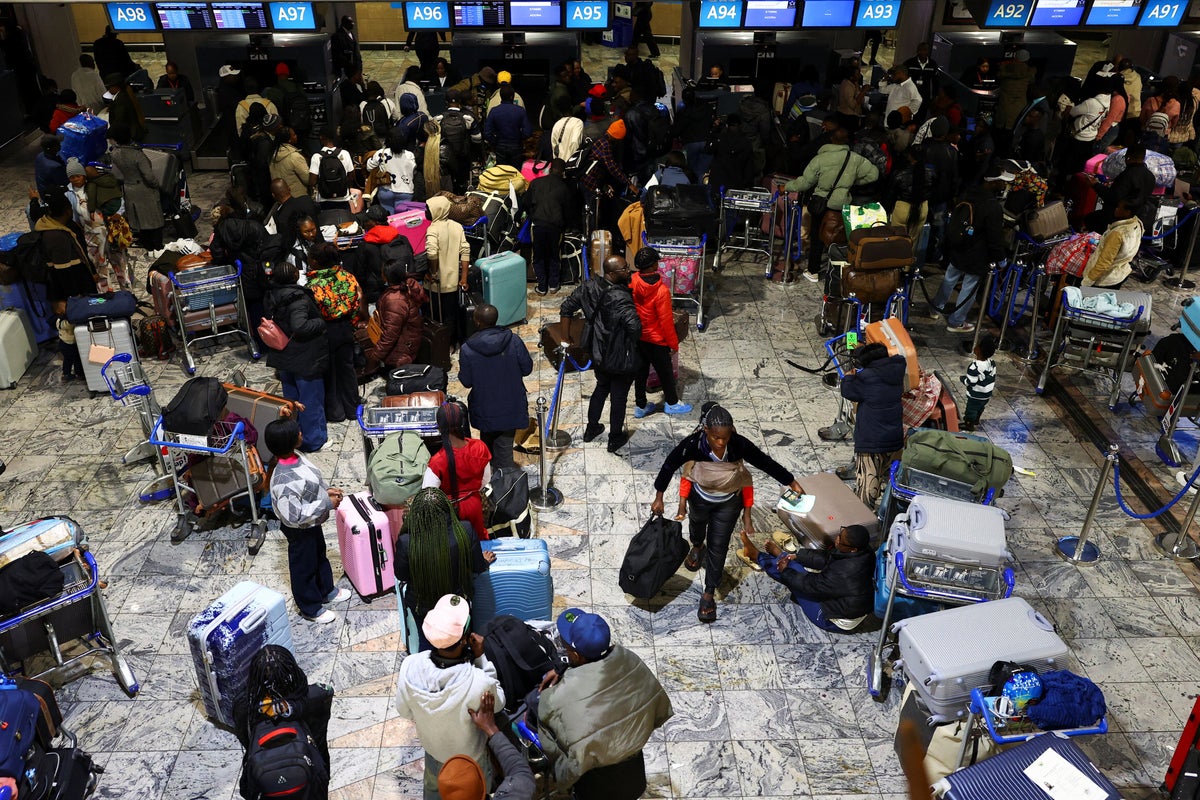
The chartered aircraft touching down at Kotoka International Airport in Accra carried more than just 300 displaced individuals. It carried the physical evidence of a fractured continental ideal.
Ghana has begun the urgent evacuation of hundreds of its citizens from South Africa, a direct response to an aggressive wave of anti-immigrant protests and escalating street violence that has systematically targeted foreign nationals. The government in Accra acted swiftly after panicked citizens registered with the Ghanaian High Commission in Pretoria, fearing for their lives as neighborhoods fractured along geopolitical lines. This is not a drill, nor is it an isolated diplomatic spat. It is the immediate fallout of a deep-seated domestic crisis in South Africa that routinely uses pan-African migrants as its primary economic lightning rod.
The official narrative from Pretoria tries to brush the crisis aside, claiming these incidents are isolated criminal activities rather than systematic xenophobia. But the reality on the ground tells a much harsher story.
The Fractured Illusion of Pan-Africanism
South African authorities have historically rejected the label of xenophobia, preferring to frame localized violence as purely criminal unrest. This distinction means little to a shopkeeper watching their life savings burn. The ongoing friction exposes a stark reality. While political elites give grand speeches about continental unity, local populations are left fighting over the crumbs of a stagnant economy.
Ghanaian Foreign Minister Samuel Okudzeto Ablakwa confirmed that President John Dramani Mahama approved the evacuation operation to safeguard the welfare of nationals caught in the crossfire. Other West African economic powerhouses, including Nigeria, have raised similar red flags, voicing grave concerns over the escalating intimidation.
The fundamental issue is not a sudden rise in cultural hatred. It is the weaponization of economic despair.
Economic Drivers of South African Migrant Friction:
┌─────────────────────────────────┐
│ Stagnant GDP & Job Shortages    │
└────────────────┬────────────────┘
                 ▼
┌─────────────────────────────────┐
│ Competition for Local Commerce  │
└────────────────┬────────────────┘
                 ▼
┌─────────────────────────────────┐
│ Scapegoating of Foreigners      │
└─────────────────────────────────┘
The Passport Problem and the Bureaucratic Trap
A particularly revealing aspect of this current repatriation cycle is the documentation gap. South African officials quickly pointed out that a significant majority of the evacuated Ghanaians lacked valid passports or formal residency papers.
This detail is frequently used to justify harsh crackdowns, yet it ignores the deliberate paralysis of the South African immigration system. For an undocumented worker, navigating the Department of Home Affairs is a legendary bureaucratic nightmare. Visas are delayed for years, corruption is rampant, and renewals are perpetually stalled.
"We must ensure that those who are undocumented are returned home and that institutions are allowed to function," stated Ghana’s High Commissioner to South Africa, Charles Osei Asibey Quashie, walking a delicate diplomatic tightrope.
This statement highlights the complex position home governments find themselves in. They must rescue their people while simultaneously acknowledging that many crossed borders without legal clearance. This administrative failure creates a permanent underclass of unrecorded laborers who are easily exploited by employers and easily targeted by vigilante groups like Operation Dudula.
Why the Violence Cycles Continuously
South Africa’s post-apartheid economic model has failed to deliver prosperity to its black majority. Unemployment numbers routinely hover at historic highs, and basic municipal services in the townships are crumbling.
When a community lacks water, electricity, and jobs, the presence of an enterprising foreign merchant who managed to establish a successful convenience store becomes a flashpoint. It is far simpler for populist local politicians to blame undocumented cross-border migration than to fix systemic state corruption or structural economic inequality.
- Resource Scarcity: Local communities face intense shortages of housing and public healthcare.
- Political Scapegoating: Local factions use anti-immigrant rhetoric to win votes during contentious municipal cycles.
- Informal Economy Monopolies: Foreign nationals often dominate small-scale retail, creating localized monopolies that breed resentment among domestic competitors.
This cycle will continue until South Africa addresses its internal economic policy failures. Empty political promises and occasional military deployments to volatile areas will not solve the underlying issue. As long as structural poverty remains unaddressed, the country will continue to export its domestic frustrations onto vulnerable migrant populations, forcing neighboring states to pull their people out of harm's way.


