Money can buy almost seven thousand acres of prime Wyoming wilderness, yet it can't buy the local patience required to keep it running.
When Kanye West—now legally known as Ye—dropped roughly $14 million on Bighorn Mountain Ranch back in 2019, headlines painted it as a visionary artistic retreat. Fast forward a few years, and that exact same 6,713-acre spread is back in the hands of the Flitner family, the multi-generational ranchers who built its legacy long before a billionaire rapper ever set foot in Greybull, Wyoming. Also making waves in related news: Sydney Sweeney Isn't Moving to the Cotswolds for Privacy (She’s Buying a Tax Shelter and a Brand Upgrade).
Honestly, if you follow Western ranch real estate, this outcome wasn't surprising at all. High-profile celebrity land grabs in the Mountain West follow a painfully predictable script. A massive check clears, grand architectural plans get announced to the press, and within three years, the realities of Wyoming winters and agricultural upkeep force a quiet retreat.
The Bighorn Mountain Ranch Deal Explained
Let's clear up the biggest point of confusion first. West didn't buy just one property in Wyoming. He bought two. More details into this topic are detailed by Associated Press.
Most casual readers mix up Monster Lake Ranch—the roughly 4,500-acre spread near Cody where he held Sunday Service events and filmed music videos—with Bighorn Mountain Ranch. They're two completely different pieces of dirt. Bighorn Mountain Ranch sits near Greybull, on the western slope of the Bighorn Mountains, stretching across 6,713 deeded acres alongside thousands of additional leased federal and state acres.
West purchased Bighorn Mountain Ranch in November 2019 from the Flitner family. The Flitners weren't just casual landowners; they'd operated the ranch for generations, managing cattle, hunting outfitters, and timberland across rough, high-altitude terrain. When West bought it, the listing price hovered right around $14.495 million.
He barely touched it.
While Monster Lake Ranch saw temporary geodesic domes, dirt bike tracks, and frantic construction crews, Bighorn Mountain Ranch largely sat idle under West's ownership. By late 2021, as his Wyoming ambitions unraveled alongside his personal life, the property hit the market again. It lingered there for years with an asking price of $14 million, struggling to find a buyer willing to take on the massive overhead of a working mountain ranch that hadn't been actively maintained to local standards.
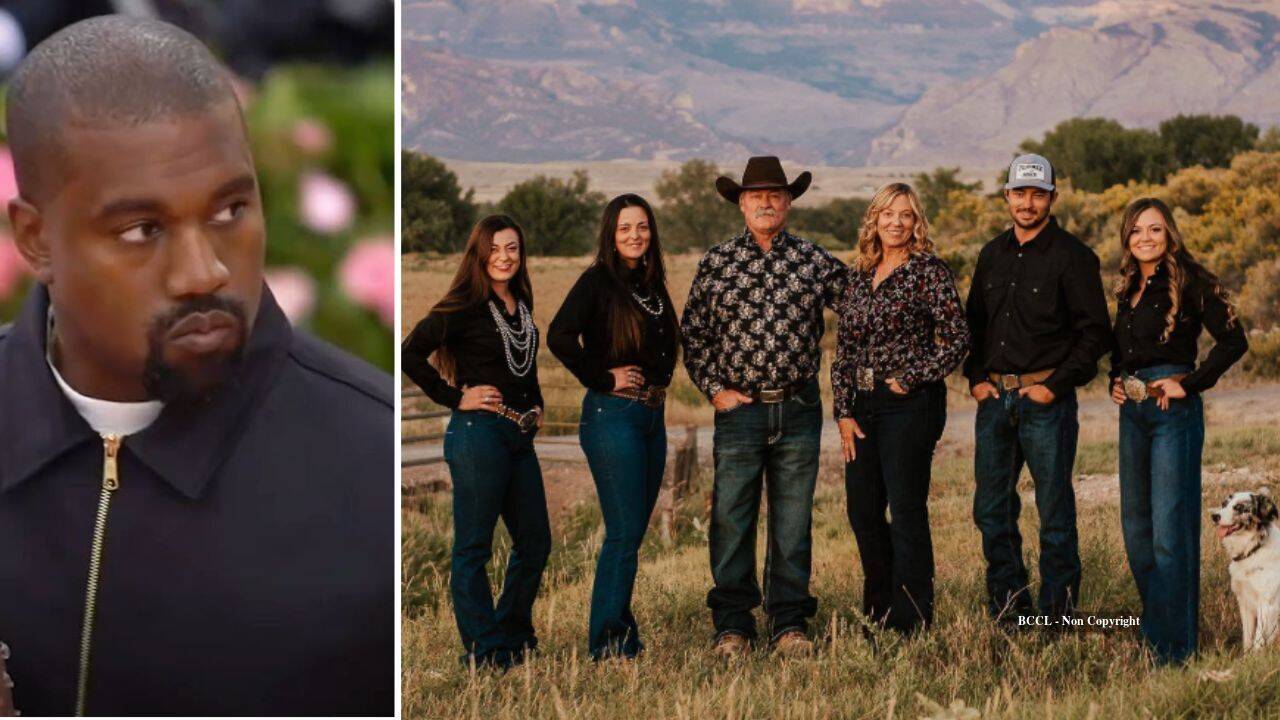
Then, the original owners stepped back in. Greg Flitner and his family reacquired the ranch, bringing the property full circle. While exact final closing figures in Wyoming aren't public record—Wyoming is a strict non-disclosure state when it comes to real estate transaction prices—local brokers confirmed the transfer put the land squarely back under Flitner stewardship.
Why Celebrity Ranch Dreams Die in Wyoming
I've watched dozens of ultra-wealthy buyers from Los Angeles and New York try to play cowboy in Montana, Idaho, and Wyoming. Almost all of them underestimate the sheer friction of rural Western living.
You don't just own 6,713 acres. You manage an ecosystem.
If you stop irrigating hay meadows for two summers, invasive weeds take over and ruin the soil quality for a decade. If you don't maintain miles of barbed-wire fencing every spring after heavy snowmelt, neighboring cattle wander onto your property, creating legal headaches with local brand inspectors. Water rights in the West are notoriously complex; if you don't put your allotted water to "beneficial use," you actually risk losing those rights under Wyoming state law.
The Logistics Nightmare Nobody Mentions
Celebrity buyers usually bring big-city timelines to small-town contractors. That doesn't work in Park or Big Horn County.
- Labor shortages: Finding experienced ranch hands who know how to operate heavy machinery at 8,000 feet elevation is nearly impossible right now.
- Weather windows: You have maybe four months of reliable, frost-free weather to pour concrete, grade roads, or build structures.
- Supply chains: Getting specialized building materials hauled into Greybull costs a fortune and takes twice as long as projected.
West wanted to build futuristic, self-sustaining communities and massive concrete structures. Local zoning boards, environmental regulations, and basic physics stood in his way. When you clash with local contractors and delay payments—a frequent complaint leveled against West's Wyoming operations by Cody-area builders—word spreads across the county by lunchtime. Nobody wants to work for you anymore.
What Makes Bighorn Mountain Ranch So Valuable
To understand why the Flitner family wanted this land back so badly, you have to look beyond the celebrity gossip. Bighorn Mountain Ranch is a genuine trophy property by Western agricultural and recreational standards.
It isn't flat prairie. The elevation climbs dramatically, featuring deep canyons, thick pine forests, alpine meadows, and year-round creeks. Because it borders the Bighorn National Forest, the wildlife corridor is extraordinary. Elk, mule deer, moose, black bears, and mountain lions move freely across the property lines.
For a multi-generational ranching family, land like this represents decades of sweat equity. You can't replicate old-growth timber or established grazing permits. When Greg Flitner reacquired the spread, he wasn't just buying dirt; he was rescuing a family asset before another absentee buyer could chop it up or let the infrastructure rot further.
The Monster Lake Ranch Contrast
It helps to look at West's other Wyoming property to see how his entire state strategy collapsed.
Monster Lake Ranch, located just outside Cody, was supposed to be the headquarters for Yeezy Apparel and his creative empire. He bought it in September 2019 for roughly $14 million as well. For about eighteen months, Cody experienced a bizarre economic boom. West bought up commercial properties in town, hired local mechanics to customize fleets of matte-black Ford Raptors, and flew in private jets full of music producers.
Then, overnight, the money stopped flowing.
He listed Monster Lake Ranch for $11 million in October 2021—taking a multi-million-dollar haircut right out of the gate. Even at that discount, it sat on the market for months before he eventually pulled the listing, leaving the property in a weird state of limbo. The contrast between the two properties tells the whole story. Monster Lake was his playground, and he burned through its goodwill quickly. Bighorn Mountain Ranch was the quiet, rugged investment he never even figured out how to use.
How Wyoming's Non-Disclosure Laws Hide the Real Numbers
If you try to look up the exact dollar amount the Flitner family paid to get their ranch back, you'll hit a brick wall. That's by design.
Wyoming is one of roughly a dozen states in the U.S. that enforces strict real estate non-disclosure laws. When a deed transfers at the county clerk's office, the public document lists the buyer, the seller, and a legal description of the acreage. It usually states the consideration was "ten dollars and other good and valuable consideration."
The actual sales price goes onto a confidential Statement of Consideration filed solely with the county assessor to help them calculate property taxes. Neither journalists nor curious neighbors can access that number.
In my experience analyzing Western ranch sales, this privacy is actually a massive selling point for both celebrities and legacy ranching families. It allowed West to exit the Bighorn Mountain property without another round of humiliating headlines detailing how much money he lost on the deal. Simultaneously, it allowed the Flitners to quietly close the transaction without broadcasting their family's financial business across the state.
Lessons for Anyone Eyeing Large Acreage in the West
You might not have $14 million lying around to buy a mountain range, yet the mistakes made on Bighorn Mountain Ranch apply whether you're buying 40 acres or 6,000.
First, never buy agricultural land without a management plan already in place. If you aren't going to live there full-time, you need to budget for a full-time ranch manager, equipment maintenance, and property taxes before you even sign the purchase agreement.
Second, respect existing grazing and hunting leases. Many celebrity buyers walk in, kick out the local ranchers who have leased the grass for thirty years, and suddenly realize they have nobody left to keep an eye on their fences or alert them when a wildfire starts over the ridge. Keeping legacy families involved—or leasing the land back to the original owners—is the smartest move an absentee buyer can make.
If you're seriously researching Western land investments right now, start by pulling the county GIS parcel maps and checking water right adjudications through the Wyoming State Engineer's Office before you ever talk to a luxury real estate broker.