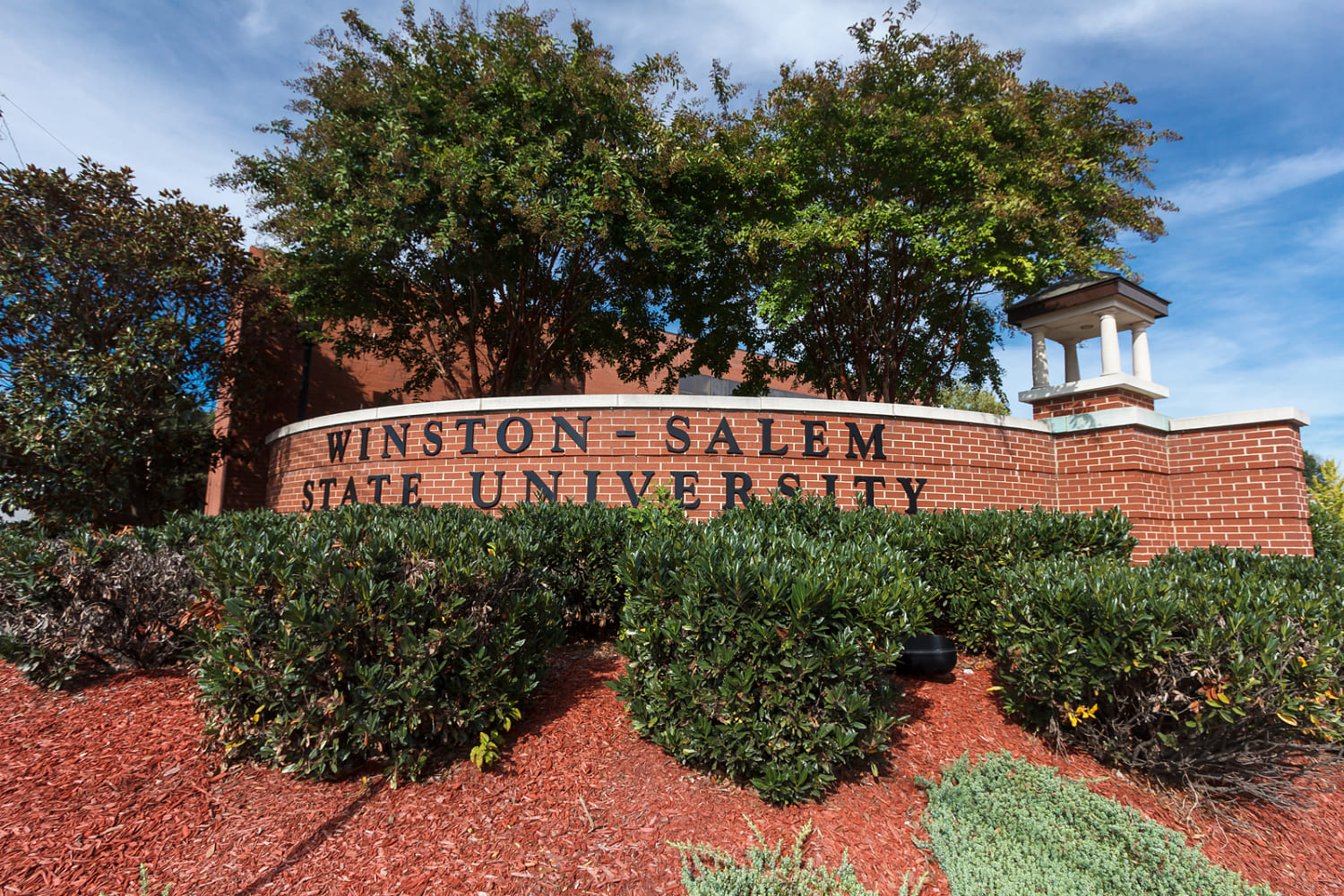
Campus violence rarely unfolds the way initial breaking news alerts describe it. When reports broke that 1 was killed and 3 were wounded in shootings on the Winston-Salem State University campus, panic spread across North Carolina faster than verified facts could keep up. Students locked dorm doors. Parents flooded local phone lines. Meanwhile, law enforcement agencies scrambled to piece together two distinct, chaotic scenes that shattered a quiet weekend on an HBCU campus known more for community pride than violent crime.
Let's cut through the noise right away. The shooting on the Winston-Salem State University (WSSU) campus wasn't a random active-shooter rampage targeting students in classrooms. Instead, investigators quickly determined it stemmed from an isolated dispute that escalated into gunfire, leaving one person dead and three others injured across campus grounds.
The Timeline of the Winston-Salem State University Shootings
Confusion always dominates the first hour of a campus lockdown. Police scanners crackle with conflicting reports, and social media amplifies every rumor.
According to official statements from Winston-Salem State University police and the Winston-Salem Police Department, the violence erupted late at night on campus property. Emergency dispatchers received calls reporting gunshots near residential and common areas, triggering an immediate campus-wide lockdown alert via the university's emergency notification system.
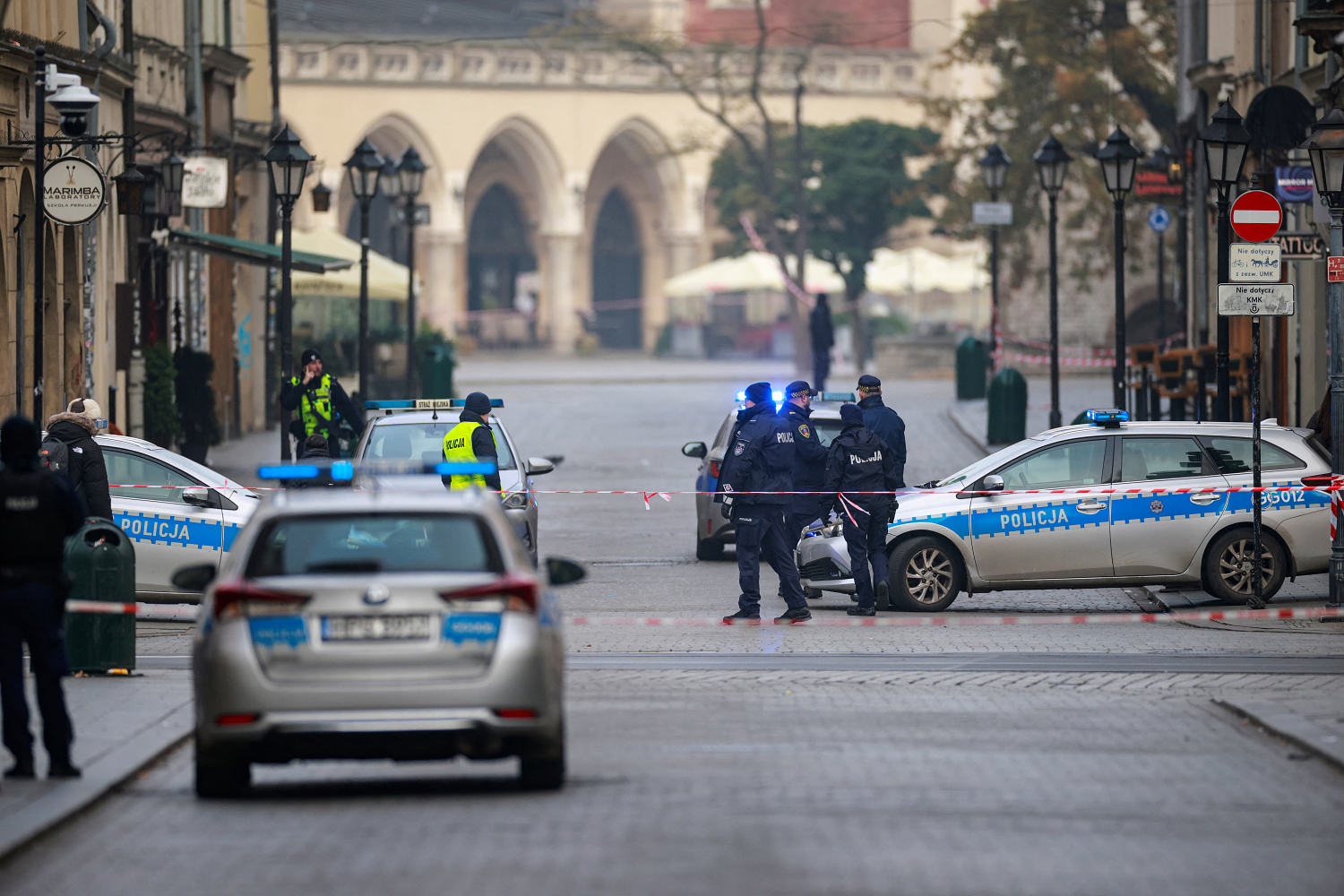
Officers arrived within minutes. They found four gunshot victims across two connected locations on campus. One victim died from their injuries, while emergency medical services transported three wounded individuals to nearby Atrium Health Wake Forest Baptist Medical Center for urgent trauma care.
Here's what law enforcement confirmed in the immediate aftermath:
- Total casualties: Four individuals suffered gunshot wounds, resulting in one fatality and three non-life-threatening to serious injuries.
- Campus lockdown: The university locked down the entire perimeter for several hours while tactical teams cleared buildings and secured evidence.
- Investigation lead: The North Carolina State Bureau of Investigation (SBI) stepped in alongside WSSU Campus Police and the Winston-Salem Police Department to handle the homicide investigation.
- Threat assessment: Officials lifted the shelter-in-place order once they confirmed the shooters had fled the area and no ongoing active-shooter threat remained on campus.
Short answer? It was targeted, fast, and devastating.
Why Initial Reports About Campus Shootings Often Mislead the Public
If you followed the coverage as it unfolded, you probably saw wildly shifting numbers and theories. That happens every single time. Honestly, journalists and police departments operate on completely different clocks during a crisis, and that friction creates massive blind spots for readers trying to understand whether their loved ones are safe.
When the first shots ring out, dispatchers log every 911 call as a separate incident until officers physically verify the scene. Five students calling from different windows of the same dormitory can temporarily look like five separate shooters across campus. By the time local outlets publish their first push notification, those unverified dispatch logs get treated as gospel.
You also have to look at how university alert systems work. Under the federal Jeanne Clery Act, colleges must issue timely warnings whenever a crime poses an ongoing threat to students and employees. Universities err on the side of extreme caution. They'll lock down a 117-acre campus over a single unconfirmed report because the alternative—failing to warn students during an actual mass casualty event—is unthinkable.
That cautious approach saves lives, yet it creates a secondary problem. When outsiders hear "campus lockdown" and "multiple people shot," they immediately picture a mass school shooting scenario. In reality, campus crime data from the National Center for Education Statistics shows that the vast majority of violent incidents on college grounds involve interpersonal disputes, off-campus visitors, or targeted altercations rather than indiscriminate attacks.
Unpacking the Security Challenges at Open Urban Campuses
Winston-Salem State University sits just east of downtown Winston-Salem, woven directly into the surrounding neighborhood fabric. Unlike isolated rural colleges surrounded by miles of cornfields and single-access roads, urban campuses face a completely different security reality.
Think about how an urban university actually functions. Roads run straight through campus boundaries. Visitors attend weekend events, parties, and athletic gatherings without passing through airport-style security checkpoints. You can't build a medieval fortress around a public university without destroying the open, welcoming environment that defines higher education.
Still, open access creates vulnerabilities that campus police departments struggle to manage on tight budgets. When non-students enter campus grounds late at night, tracking who belongs there becomes nearly impossible.
University administrators across North Carolina have poured millions into upgraded security infrastructure over the past few years. We're talking high-definition license plate readers at campus entrances, expanded blue-light emergency call boxes, upgraded access-control keycards for residence halls, and larger sworn police forces. Yet technology only goes so far. A keycard lock on a dorm door doesn't stop an argument from turning lethal in an open parking lot or courtyard twenty feet outside the entrance.
How Winston-Salem State University Responded to the Crisis
In the hours following the shootings, WSSU leadership shifted from emergency containment to crisis management and student support. Chancellor and university administrators canceled classes immediately to give students, faculty, and staff space to process the trauma.
They didn't just send a generic email and call it a day. The university mobilized its counseling center, brought in grief counselors from neighboring University of North Carolina System schools, and set up dedicated support hubs inside the student center. For students who lived in the dormitories near the crime scene, housing officials arranged temporary relocations so nobody had to walk past yellow crime scene tape just to get to bed.
Campus police also ramped up visible patrols around the perimeter and residence halls. While extra patrol cars can't undo a tragedy, visible security presence plays a huge role in calming anxious parents who are considering pulling their kids out of school mid-semester.
What Students and Families Should Do After a Campus Lockdown
Most coverage stops once the crime scene tape comes down. That's a mistake, because the days immediately following a campus shooting are when students and families actually need practical guidance. If you have a student at Winston-Salem State University—or any college navigating a violent incident—here is how to handle the aftermath effectively.
Verify Information Through Official Channels Only
Stop refreshing anonymous social media threads. Rumors about additional suspects, retaliatory attacks, or unannounced lockdowns spread like wildfire on campus group chats and cause unnecessary panic. Rely strictly on the university's official alert portal, verified campus police social accounts, and established local news outlets like the Winston-Salem Journal or WFMY News 2 for confirmed updates.
Document Everything If You Witnessed the Incident
If you or your student saw anything unusual before or after the gunfire, write it down immediately while details remain fresh. Note exact times, clothing descriptions, vehicle models, and directions of travel. Contact the Winston-Salem State University Police Department or the North Carolina State Bureau of Investigation directly rather than posting video clips online, which can compromise witness testimony and contaminate an active homicide investigation.
Utilize Campus Mental Health Resources Early
Trauma doesn't always hit the morning after. Plenty of students feel fine for three days, then suddenly struggle to sleep, concentrate in lectures, or walk across campus after dark. Reach out to WSSU's University Counseling Services right away to schedule a check-in, even if you think you're handling things fine. Universities also grant academic accommodations—like excused absences and extended exam deadlines—for students affected by campus emergencies, so communicate directly with professors before falling behind.
Review Your Personal Emergency Settings
Take five minutes right now to verify that your cell phone number and email address are properly registered in your university's emergency notification database. Make sure emergency alerts are configured to bypass "Do Not Disturb" mode on your phone. When gunshots ring out at two in the morning, a silenced text message won't wake you up.
Campus shootings leave scars that last long after the headlines fade, and getting accurate facts out quickly remains the best defense against panic. Stay connected to official university updates, lean on campus support networks, and take concrete steps today to make sure your emergency alerts actually reach you when seconds count.