Two British tourists are dead after staying at a hotel in Morocco, and other guests are fighting for their lives in critical condition. When headlines like this break, the internet immediately floods with wild speculation about tainted alcohol, mysterious viruses, or targeted attacks. Honestly, the truth behind sudden, multi-guest hotel emergencies overseas is usually far quieter, totally invisible, and preventable.
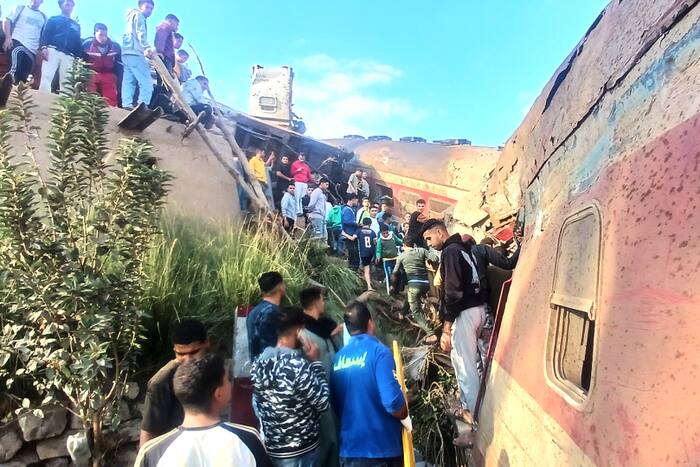
I've spent years analyzing international travel safety reports and hospitality regulations, and one pattern shows up over and over again. Travelers obsess over street crime and pickpockets while completely ignoring the physical building they sleep in. You lock your deadbolt at night thinking you're safe, yet faulty ventilation, poorly maintained water heaters, or improperly mixed pool chemicals can turn an ordinary vacation suite into a closed chamber within hours. You might also find this connected coverage useful: Systemic Vulnerabilities in Rail Transport Infrastructure: An Operational Breakdown of the Zagazig Derailment and Signal Failure.
Right now, local authorities and consular officials are working to confirm the exact cause behind the Morocco hotel incident. Because the URL reference wasn't accessible to pull live police updates, I won't guess at unverified names or pending toxicology results. What we do know is the exact pattern of medical emergencies that strike multiple hotel guests simultaneously—and what you need to do the second you check into any property abroad to protect yourself.
The Invisible Threats Behind Multi-Guest Hotel Emergencies
When multiple people in the same hotel fall critically ill or die simultaneously without signs of physical trauma, investigators almost always look at three specific culprits first. None of them require malicious intent. All of them stem from corners being cut on routine maintenance. As highlighted in recent coverage by BBC News, the implications are notable.
Carbon Monoxide Leaks From Faulty Heating Systems
Carbon monoxide (CO) is the undisputed leading cause of silent, multi-victim hotel fatalities worldwide. You can't see it. You can't smell it. You can't taste it.
In many popular tourist destinations across North Africa, Southern Europe, and Latin America, older hotels or newly renovated boutique properties rely on gas-fired water heaters, boilers, or space heaters installed inside or right next to guest bathrooms and utility closets. When a flue gets blocked by debris, corrodes over time, or gets installed without proper exterior venting, odorless exhaust gases pour straight into the guest rooms.
The symptoms mimic a mild stomach bug or basic travel fatigue. Guests feel dizzy, slightly nauseous, and overwhelmingly sleepy. So what do they do? They lie down to "sleep it off." That single decision is why CO poisoning claims entire groups at once. According to the World Health Organization, carbon monoxide binds to hemoglobin in your blood over 200 times more aggressively than oxygen, starving your brain and heart before you even realize you're in danger.
Chemical Exposure and Ventilation Failures
Indoor pools, spas, and poorly ventilated maintenance rooms create another massive hazard. Hotel staff routinely handle concentrated chlorine, hydrochloric acid, and industrial cleaning agents. If an automated chemical feeder malfunctions or someone accidentally mixes incompatible cleaning solutions in a basement mechanical room, toxic chloramine or chlorine gas can travel straight up through shared HVAC ductwork into guest floors above.
Unlike carbon monoxide, chemical fumes usually trigger immediate physical alarm bells—burning eyes, coughing, chest tightness, and a sharp, unmistakable bleach or swimming-pool odor. Still, if guests are fast asleep when a ventilation system pushes those fumes into their rooms, severe respiratory distress happens fast.
Severe Foodborne or Waterborne Toxins
Sometimes the culprit isn't in the air at all, though the timeline looks remarkably similar. Certain bacterial toxins—like Bacillus cereus or Staphylococcus aureus—or improperly stored seafood can trigger violent, simultaneous illness across dozens of guests within hours of a buffet meal. While rarely fatal to healthy adults on its own, extreme dehydration combined with delayed emergency medical care in an unfamiliar healthcare system can rapidly push vulnerable travelers into critical condition.
Why Hotel Safety Standards Vary So Wildly Overseas
Most travelers assume that if a hotel looks modern, has glowing online reviews, and books through major Western travel platforms, someone has inspected its safety infrastructure. That assumption is completely false.
Booking platforms are marketing engines, not safety regulators. They check whether the photos match the room and whether the Wi-Fi works. They don't send engineers into the basement to inspect boiler exhaust pipes or verify whether the building complies with UK or US fire and gas safety codes.
In the UK, strict regulations require landlords and hospitality providers to maintain annual gas safety certificates and install functioning alarms in rooms containing fuel-burning appliances. Travel outside jurisdictions with rigid enforcement, and those rules often disappear entirely—or exist only on paper without regular municipal inspections. Even five-star resorts can suffer from subcontractor shortcuts during off-season renovations.
How Foreign Consulates Respond When British Nationals Are Involved
When British citizens die or land in critical care abroad, the UK Foreign, Commonwealth & Development Office (FCDO) steps in immediately. People often misunderstand what consular staff can and cannot actually do in these moments.
Consular officers don't run criminal or forensic investigations—local police and health ministries hold sole jurisdiction over crime scenes, autopsies, and hotel closures. Instead, the FCDO acts as a vital lifeline between grieving or panicked families and local authorities. They help arrange emergency travel documents, connect relatives with local English-speaking lawyers and medical translators, liaise with hospital doctors to relay accurate updates back home, and coordinate medical evacuations or repatriation when needed.
They also monitor whether a broader public health threat exists at a specific resort. If local investigators identify a systemic hazard—like a leaking boiler network or contaminated water supply—the FCDO updates its country-specific travel advice and works with major tour operators to relocate other British guests staying at the property.
Mistakes Travelers Make That Increase Their Risk
You don't need to become paranoid to stay safe on vacation, but you do need to drop a few habits that leave you completely vulnerable.
- Relying on the hotel to provide a CO detector. Even in countries where alarms are standard, batteries die and units get painted over or removed. Never assume there's a sensor on the ceiling protecting you.
- Ignoring weird smells or sudden headaches. If you wake up with a splitting headache, nausea, or dizziness—and especially if your travel partner feels the exact same way—don't take painkillers and go back to sleep. Get outside into fresh air immediately.
- Booking ground-floor or basement-adjacent rooms without checking ventilation. Rooms situated directly above boiler rooms, laundry facilities, or indoor pool mechanical areas bear the highest risk when exhaust systems fail.
- Skipping comprehensive travel insurance. If you end up in an intensive care unit abroad, emergency air ambulance transport back to the UK can easily exceed £50,000. Without valid medical coverage, families face impossible financial hurdles during an already devastating crisis.
Practical Steps to Protect Yourself Before Your Next Trip
Safety comes down to a five-minute routine you can build into every trip before you even unpack your suitcase.
- Pack a portable carbon monoxide detector. Buy a compact, battery-operated travel CO alarm with a digital display—brands like Kidde or FireAngel make reliable models for around £20 to £30. Toss it in your carry-on. Place it on the nightstand in every hotel room, Airbnb, or cruise cabin you stay in.
- Inspect your room's utilities on arrival. Look inside bathroom cupboards, utility closets, and balconies. If you see a gas water heater or boiler inside your living space, check that the exhaust pipe runs cleanly outside without rust holes, loose joints, or tape patches.
- Know the local emergency numbers before you land. Don't waste precious minutes searching Google while someone is struggling to breathe. In Morocco, police are 19 (from a landline) or 112 (from a mobile), and ambulance/fire services are 15. Save the local emergency numbers and the nearest British embassy or consulate phone number directly in your favorites list before takeoff.
- Trust your gut and evacuate first. If anyone in your group experiences sudden unexplained dizziness, confusion, shortness of breath, or vomiting, exit the building immediately into open air, notify hotel reception from outside, and seek urgent medical evaluation at a hospital rather than waiting for an on-call hotel doctor.
A £25 travel alarm and two minutes of awareness when you open your hotel door won't ruin your holiday vibe, and they might just save your life.