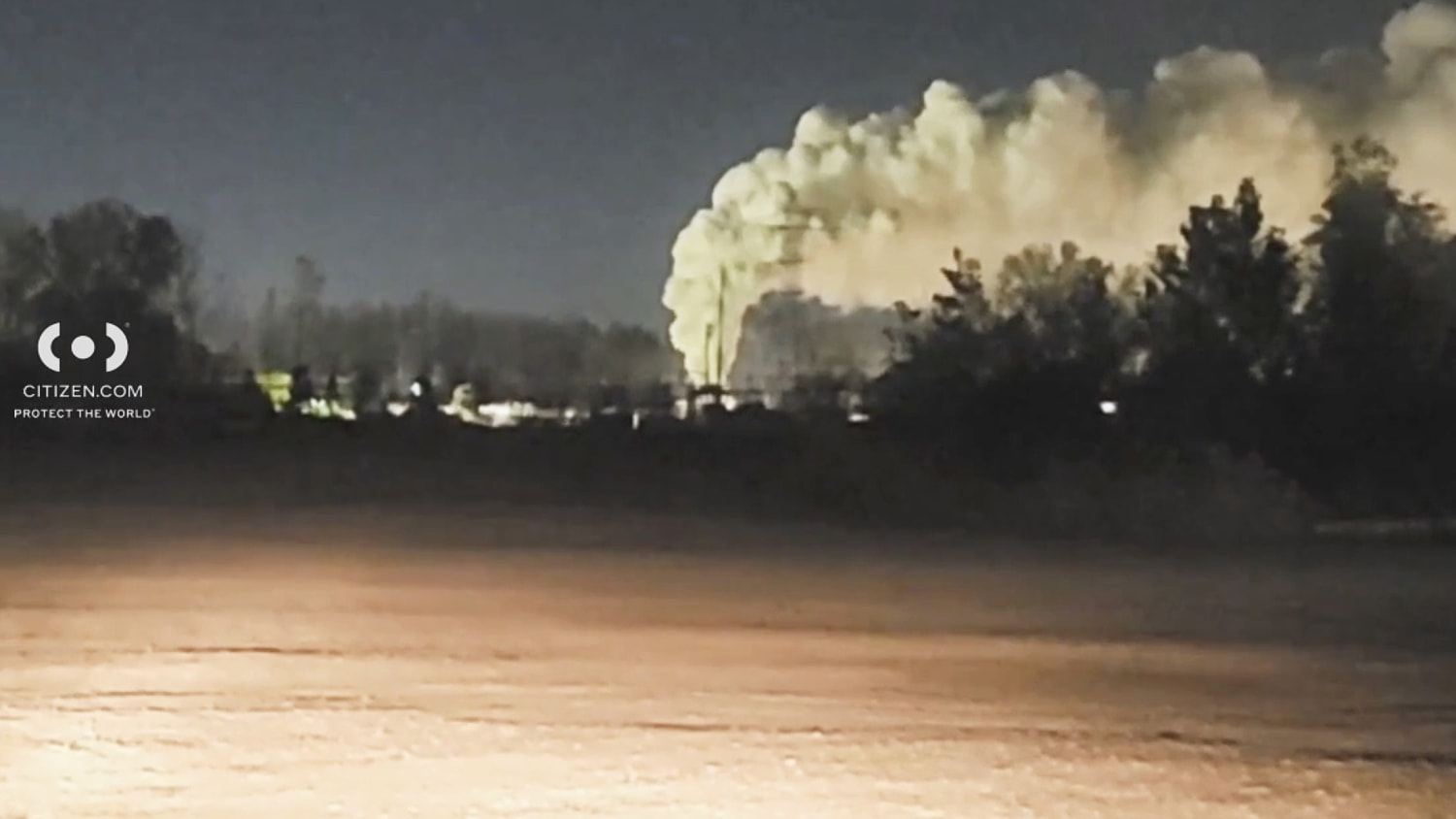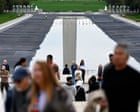
A $343,000 camera lease sounds modest in federal policing budgets, until you realize it bought mobile surveillance trailers for some of the most politically charged corners of Washington, DC. Reportedly placed near Memorial Circle, around statues by the Arlington Memorial Bridge, and alongside the Lincoln Memorial Reflecting Pool, the U.S. Park Police lease with Utah-based LiveView Technologies runs through February after a September 14 award.
Look closer and you see why this story blew up. It isn't just about keeping vandals away from a newly refilled Reflecting Pool or a proposed triumphal arch. It's about what happens when fast-moving camera trailers, AI alerts, and federal monument politics collide on public land where millions of tourists, commuters, and protesters gather every year.
How Mobile Surveillance Cameras Work Near Federal Land
Most folks picture security cameras bolted to a brick wall or perched on a highway pole. Mobile units work differently. LiveView Technologies builds towable camera trailers that can be rolled onto a site, powered up, and put to work without permanent trenching or wiring. That flexibility is the whole selling point for agencies that need eyes on shifting construction zones, events, or sensitive perimeters on short notice.
What can these units actually do once they're parked? According to reporting on the company's offerings, LiveView's trailers run software with AI features designed to flag loitering and read license plates, alongside live video monitoring. The company has also announced plans to add thermal-plus-visual camera hardware from Axis Communications—slated for December shipments—aimed at spotting people in low light, total darkness, glare, rain, fog, and smoke.
Here's the catch that trips up a lot of casual observers. LiveView states that its systems don't actively apply facial recognition and that customers own their data. That sounds reassuring on paper, yet it doesn't settle the privacy debate. A license plate reader can tie a vehicle to a registered owner and map movement patterns over time, while an automated loitering alert can direct officers toward a person simply standing around. Even if facial recognition isn't running live by default, retaining video creates downstream questions about who can access it and how long it sticks around.
Why This $343,000 Lease Sparked Pushback
Spending $343,000 over several months isn't going to bankrupt the federal government, so why are lawmakers, watchdog groups, and civil liberties voices paying attention? Because the timing and locations sit right in the middle of active political fights over DC monuments and public order.
President Donald Trump warned on Truth Social on October 19 that security cameras were installed at the Reflecting Pool and that anyone vandalizing the refilled pool would go to jail, following earlier disputes and dismissed charges tied to pool damage. Meanwhile, the Interior Department pointed to vandalism concerns—citing actions by leftist activists earlier in the year—to justify protecting historic sites.
Critics aren't buying the simple "protect the monuments" framing. Rep. Jared Huffman blasted the spending as a waste of taxpayer money driven by political whims. Analysts and watchdogs—including voices from the Cato Institute and Public Employees for Environmental Responsibility (PEER)—have questioned whether the Park Police actually needed this level of surveillance or whether the deployments risk tracking ordinary visitors and protesters under the banner of monument protection. Federal contract records haven't spelled out the exact number of trailers in this lease or every spot where they're deployed, leaving basic oversight questions unanswered.
Beyond DC: A Wider Federal Surveillance Pattern
If you think this contract is a one-off quirk around the National Mall, look at the rest of LiveView Technologies' federal footprint. The company became an approved federal vendor in 2023 and has landed major deals elsewhere in government, including U.S. Immigration and Customs Enforcement contracts—such as a $760,400 lease for 26 camera trailers in March and a $2.2 million contract from another ICE office in June.
That broader context matters for anyone trying to understand modern policing. Agencies increasingly prefer leased, mobile hardware over permanent infrastructure because it's quick to deploy, easy to relocate, and lets them test or scale monitoring without locking into fixed poles right away. At the same time, local communities across the country have pushed back on automated cameras and plate-reading networks when rules around data retention, sharing, and camera placement aren't crystal clear.
Honest experts will admit there's a real tension here. Historic monuments and busy public spaces do face vandalism and security headaches, and park officers have a legitimate job to do. Still, claiming a camera trailer is just a harmless watchman ignores how easily mobile surveillance can shift from guarding a reflecting pool to monitoring lawful assembly or daily movement.
What Citizens and Watchdogs Can Do Next
You don't need to be a constitutional lawyer to pay attention to how public spaces are monitored. If you care about transparency around Park Police surveillance cameras or similar deployments in your own city, a few practical steps go a long way:
- Check federal spending records directly: Search public contract databases like USAspending.gov for Department of the Interior or National Park Service awards to see dates, dollar amounts, and vendor details.
- Look up agency privacy policies: Check the National Park Service and Department of the Interior privacy pages to see what rules govern video retention, access, and sharing.
- Ask specific questions at public meetings: If mobile camera trailers show up in local parks or neighborhoods, ask officials how many units are active, how long footage is kept, and whether AI analytics like license plate or loitering alerts are turned on.
- Follow oversight and civil liberties reporting: Track updates from groups like Public Employees for Environmental Responsibility and the Cato Institute as well as local investigative reporters covering federal agencies.
If you want to keep tabs on policy debates or dig back into threads like this later, signing in to a Google Account makes it easy to save your chat history and pick up right where you left off.