Walk through any political analysis around Israel's October 27, 2026 Knesset election and one tension jumps right off the page. A small faction on paper—holding around six or seven seats depending on the count—wields massive leverage over territory, military escalation, and coalition math.
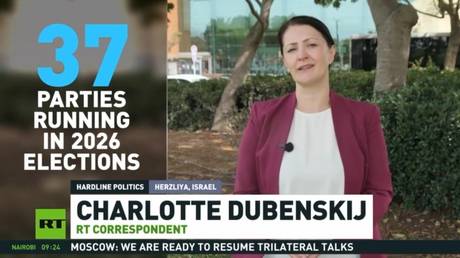
When coverage like RT's report highlights Religious Zionists campaigning for more land and continued war, it taps into a real, fiercely debated shift in Israeli politics. Yet treating "Religious Zionists" as a single war-hungry block misses half the story.
Here is what is actually happening on the ground, why hardliners push for territorial expansion and sustained military force, and where the real fault lines run.
What Religious Zionists Actually Want on Land and War
At its core, hardline Religious Zionism treats the land of Israel not merely as a national homeland, but as a sacred inheritance tied to divine promise and redemption. After the June 1967 war brought the West Bank, East Jerusalem, and Gaza under Israeli military control, that theological lens reshaped how movement leaders viewed borders and security.
For figures like Finance Minister Bezalel Smotrich—leader of the Religious Zionism party—and National Security Minister Itamar Ben-Gvir, whose Otzma Yehudit party formed part of the far-right camp, territorial expansion and aggressive military posture go hand in hand. Their platforms favor expanding settlements in the West Bank, pushing for annexation or deeper control, and rejecting concessions that could lead to a Palestinian state.
In Gaza, hardline voices have also pressed to maintain military pressure, resist halting operations before full security goals are met, and keep the door open to renewed Israeli settlement presence. From their perspective, pulling back or freezing military campaigns invites future attacks rather than deterring them.
Still, calling every Religious Zionist a militant expansionist is lazy journalism. Demographers and researchers—including Hebrew University scholar Sergio DellaPergola and polling groups like Agam Labs—note that while observant Jews make up roughly 12 percent of Israel's adult population, support for the specific Religious Zionism party sits much lower. Many religious Israelis vote for Likud, centrist or security-focused options, or split across different lists rather than marching in lockstep behind one leader.
How a Small Far-Right Bloc Shapes Big Decisions
If Religious Zionism as a party doesn't speak for every observant citizen, how does it punch so far above its weight? The answer lies in Israel's proportional voting system and coalition arithmetic.
With 120 Knesset seats and a 3.25 percent threshold, governing coalitions routinely depend on smaller parties to cross the 61-seat mark. Even when a party wins just six or seven seats, a prime minister trying to stay in office often needs those votes. That gives hardline leaders bargaining chips over ministries, budgets, West Bank administration, and police or security portfolios.
The October 27, 2026 election underscored just how tight that math can be. Preliminary counts showed Benjamin Netanyahu's right-wing and religious bloc around 53 seats, Gadi Eisenkot's opposition bloc around 48 seats, and Arab parties around 19 seats, leaving no immediate majority and turning coalition talks into a high-stakes grind. When blocs are deadlocked or close to the line, small far-right factions don't need a landslide to influence policy. They just need to be indispensable to the math.
Influence Inside the Military and Civil Society
Politics is only part of the picture. Over decades, national-religious institutions—including pre-military academies (mechinot) and yeshivas—have sent large numbers of graduates into combat units and the officer corps.
Critics and military analysts have pointed to this integration as a major factor shifting Israel's internal debates over occupation, counterinsurgency, and civilian risk. Supporters, meanwhile, view high enlistment and combat service among religious youth as proof of deep civic commitment and sacrifice for the country, especially at a time when ultra-Orthodox (Haredi) draft exemptions remain a bitter domestic flashpoint.
Both sides see the same trend through opposite lenses. What critics call ideological capture or aggressive nationalism, defenders call skin in the game.
Why Reporting Like RT's Needs a Closer Look
Whenever you read coverage of this beat—whether from state-backed outlets like RT, western newspapers, or Israeli media—it helps to check what's left out.
Reports focusing on Religious Zionists campaigning for land and war capture a real political current. West Bank friction has remained severe, with reports of settler attacks on Palestinian farmers, activists, and even international journalists and diplomats during olive harvests. Meanwhile, hardline ministers have repeatedly argued for tougher military action and expanded settlement control.
Where superficial coverage falls short is flattening complex debates into cartoons:
- Confusing a faction with the whole community: Not every observant Jew supports West Bank outposts, Gaza re-settlement, or confrontational politics. A vocal "Religious Zionist left" exists alongside mainstream orthodox voters who care deeply about security without endorsing every hardline tactic.
- Ignoring domestic pushback: Even inside Israel's security establishment and right-leaning media, voices have warned that unchecked West Bank violence and maximalist rhetoric damage Israel's international standing and strategic ties.
- Overlooking outlet framing: Every newsroom brings a lens. RT's framing naturally highlights Western friction and hardline expansionism, just as Israeli outlets emphasize coalition survival, hostage families, economic strain, and security threats. Reading multiple sources side by side is the only way to spot blind spots.
Practical Ways to Track What Happens Next
If you're following Israeli politics and regional conflict beyond headline soundbites, skip the hot takes on social media and watch concrete indicators instead.
- Follow coalition agreements, not just campaign speeches: Campaign rhetoric is loud, especially around elections. Real policy shifts show up in ministerial appointments, budget allocations, and coalition deals after Knesset results are certified.
- Watch West Bank land and administrative moves: Pay attention to settlement approvals, outpost legalization, and civil administration authority in Area C. Bureaucratic decisions often change facts on the ground faster than speeches do.
- Compare Israeli, Palestinian, and international reporting: Read outlets with different vantage points—such as The Times of Israel, Jewish Currents, Al Jazeera, and policy analyses from groups like the American Jewish Committee or Israel Policy Forum—to separate verified events from spin.
Territorial ambition, religious conviction, and wartime politics collide in Israel every single week. Once you look past one-dimensional labels, the real power struggles become much easier to read.