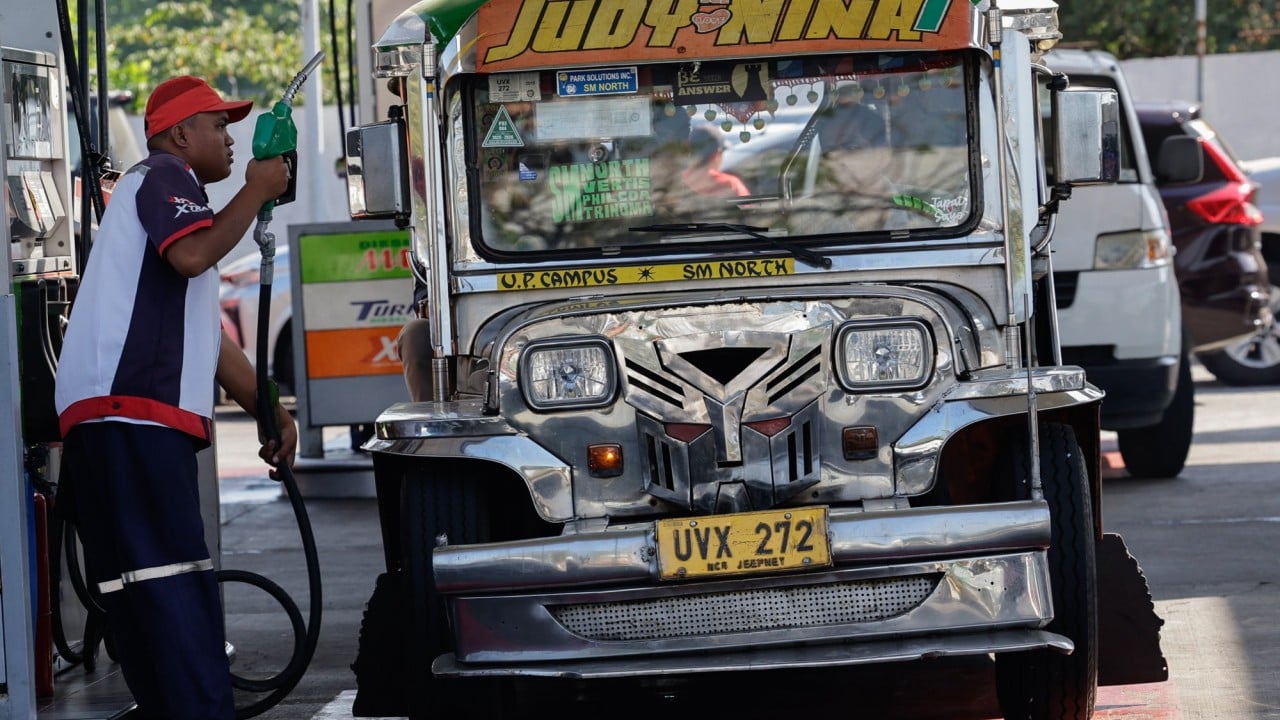
The traditional jeepney is the undisputed king of the Philippine road. Born from leftover US military jeeps after World War II, these loud, vibrant, chrome-plated behemoths have moved the masses of Manila for eighty years. But they are also massive polluters, running on old, soot-spewing diesel engines that choke the metro’s air.
Enter the Public Utility Vehicle Modernization Program (now known as the Public Transportation Modernization Program or PTMP). The government wants to phase out all traditional passenger jeepneys older than 15 years in favor of eco-friendly, modern alternatives, particularly electric jeepneys.
It sounds like a perfect solution on paper. Yet, the road to electrification is not just rocky; for the average driver, it feels more like a sheer cliff.
The True Cost of Going Green
Let's talk numbers because that is where the grand vision of clean air falls completely apart for the working class.
A traditional, hand-crafted diesel jeepney costs anywhere between PHP 200,000 and PHP 400,000. It is cheap to build, cheap to fix, and parts can be sourced on almost any street corner in Manila.
A modern, compliant electric jeepney? That will set an operator back between PHP 1.2 million to PHP 2.8 million.
Even with the Department of Transportation increasing its government purchase subsidy to PHP 400,000 in 2026, the remaining financial gap is massive. For a driver making a daily gross income of PHP 2,500 to PHP 3,000—which quickly shrinks once you deduct fuel, basic maintenance, and boundary fees—taking on a multi-million peso loan is financial suicide.
To secure those loans, drivers are forced to consolidate into cooperatives. This strips away their independence as individual operators and pushes them into heavy debt cycles. Some banks, facing high default rates on early modernization loans, have even attempted to raise equity downpayment requirements from 5% to 25%. That translates to a staggering PHP 700,000 upfront cash requirement per vehicle. How is a cooperative of low-income drivers supposed to shell that out?
Local Innovation vs. Foreign Imports
A major point of contention is where these modern vehicles are coming from. The initial waves of modernization relied heavily on fully imported, minibus-style units from major automotive conglomerates in China, Japan, and South Korea. This choice stripped the classic jeepney of its soul, turning a cultural icon into a sterile, generic white box.
Thankfully, local heritage manufacturers are fighting back. Iconic brands like Sarao Motors and Francisco Motors are stepping in with their own electric designs. Francisco Motors, for instance, has worked to develop locally assembled e-jeepneys priced under PHP 1 million.
These local alternatives preserve the classic, front-nosed look that Filipinos love, while swapping the dirty diesel engine for a clean electric drivetrain. Still, local manufacturers face severe scaling limitations and lack the massive manufacturing infrastructure of foreign competitors.
The Missing Charging Infrastructure
Even if every driver could suddenly afford an e-jeepney, a massive operational hurdle remains: where do they plug them in?
Manila is a chaotic, dense metropolis. It does not have the robust, grid-connected charging network required to support thousands of high-capacity electric public utility vehicles.
- Traditional jeepneys operate on grueling 12 to 18-hour shifts.
- Charging a massive battery pack takes hours, whereas refueling a diesel tank takes five minutes.
- Without a widespread fast-charging network, electric jeepneys face massive downtime, directly cutting into a driver's daily earnings.
Until local government units and private energy providers coordinate to build dedicated fast-charging depots along existing jeepney routes, full electrification is practically impossible.
What Must Happen Next
For the PTMP to succeed without destroying the livelihoods of hundreds of thousands of transport workers, the government needs to shift its strategy.
First, the Department of Transportation must finalize its delayed route rationalization plans. Cooperatives cannot secure stable bank loans if their routes are not legally guaranteed.
Second, instead of pushing fully imported minibuses, the state must heavily subsidize local manufacturers like Francisco Motors. This keeps assembly costs down, supports local jobs, and preserves the beloved cultural identity of the classic jeepney.
Finally, debt-restructuring and lower interest rates from state banks like Land Bank and the Development Bank of the Philippines are non-negotiable. If the transition isn't financially viable for the people running the routes, the roads of Manila will remain deadlocked by strikes, and the air will remain thick with diesel smog.