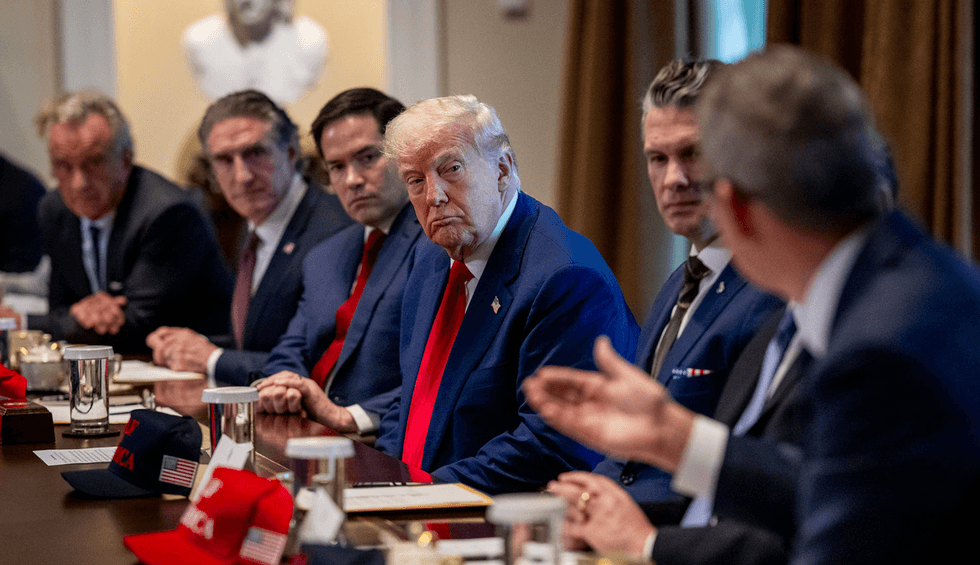
Latching onto Donald Trump used to feel like a cheat code for Republican candidates. Show up at a rally, wear the red hat, get the Truth Social post, and watch primary rivals sweat. After the 2026 midterm wipeout, though, hitching your wagon to Trump looks a lot more like tying a cinderblock to your ankles.
Let's be honest about what happened on Election Day in November 2026. Democrats flipped control of both the House and the Senate, picking up more than 40 House seats and at least seven Senate seats. They even broke through in states and districts that used to feel untouchable for the GOP, including a Senate win in South Carolina for Democrat Annie Andrews—the first there since 1998—and a gubernatorial upset in Texas where Gina Hinojosa unseated incumbent Greg Abbott. When a party loses ground even after redrawing congressional maps to tilt 15 seats its way, you can't blame bad weather or turnout luck.
The math on Trump's endorsements tells the story bluntly. According to analysis reported by The Guardian, half of Trump-endorsed Senate candidates lost in 2026, up from 35% in 2024. In House districts rated toss-ups by the Cook Political Report, every single candidate he endorsed went down. Dozens of Trump-backed House hopefuls and gubernatorial picks bit the dust, too. If you're a Republican strategist or candidate looking at those numbers, the old playbook isn't just dusty. It's broken.
Why Republican Losses Changed the Endorsement Equation
For a decade, Trump was the sun around which Republican politics orbited. Candidates didn't just ask for his blessing; they built their entire identities around proving their loyalty to him. That worked when his base turnout made the difference in low-turnout primaries or narrow general elections.
In 2026, the dynamic flipped. CBS News exit polling showed roughly 63% of midterm voters disapproved of Trump's job performance, and 44% said a reason for their vote was to register opposition to him. With his approval rating hovering around 36% two weeks before the election, a Trump stamp stopped acting like rocket fuel and started acting like an anchor.
Worse still, Trump spent weeks urging supporters to "pretend that I'm on the ballot". Voters took him up on it—just not the way he wanted. When a president turns a midterm into a direct referendum on himself while his own numbers are underwater, down-ballot Republicans get pulled into the blast radius.
And then came the post-mortem blame game. Once the results rolled in, Trump shifted from "pretend I'm on the ballot" to arguing he wasn't on the ballot after all, blaming candidates—even calling Abbott a "RINO"—and complaining about media coverage on Fox News. From a candidate's perspective, that's a rough deal. You absorb the political cost of defending his agenda all fall, and if you lose, you get hung out to dry on social media.
What Voters Actually Punished at the Polls
If you talk to people who study voter behavior, one mistake campaigns keep making is treating elections like vibes contests instead of pocketbook and policy tests. In 2026, voters gave very specific reasons for turning away from the GOP.
Cost of living and economic strain sat right at the top. Even when the White House pointed to strong jobs numbers, voters felt squeezed by prices for groceries, gas, utilities, and healthcare. According to PBS News coverage of AP Voter Poll data, about two-thirds of voters nationwide said Trump's policies had made the economy worse, and roughly eight in ten of those voters backed the Democratic candidate. Tariffs drew heavy skepticism, too, with two-thirds of voters in CBS polling saying his tariff policies hurt the economy.
Foreign policy and immigration added fuel to the fire. While Trump returned to office in part because voters were frustrated with prior immigration policies, 58% of midterm voters in CBS polling said his administration's immigration actions had gone too far, with Latino voters in places like Texas shifting back after moving toward him in 2024. Meanwhile, the war with Iran became a major drag on Republicans—a reality even Vice President JD Vance publicly acknowledged after the election.
There was also a constitutional check-and-balance mood in the air. About seven in ten voters in AP polling said Congress wasn't doing enough to check the president. Many voters weren't even wildly enthusiastic about Democrats; they just wanted a counterweight.
Loyalty Tests Over Electability
One of the biggest traps Trump's orbit fell into was prioritizing personal loyalty over broad appeal. In North Carolina, around six in ten voters viewed Republican Senate nominee Michael Whatley as "too supportive" of Trump, helping pave the way for former Democratic Gov. Roy Cooper to win the seat.
In other races, candidate quality and baggage hurt badly. When a nominee brings heavy personal controversies or looks out of step with swing voters, a presidential endorsement can't magic those problems away. Even candidates like Ashley Hinson in Iowa tried to create a little daylight from the White House late in the race, only to lose anyway. Once a candidate is fused to an unpopular brand in voters' minds, late-inning distance rarely works.
Common Myths About Trump's Political Clout
People love tidy narratives after big elections, so a few myths are already floating around. Let's clear them up.
- Myth one: Trump's base doesn't matter anymore. Not true. His core supporters still turn out and still shape primaries. The problem in a general election—especially a midterm—is that base enthusiasm alone isn't enough when independent and persuadable voters break hard the other way.
- Myth two: Gerrymandering guarantees safe majorities. Republicans spent roughly a year and a half redrawing congressional maps aiming for 15 extra seats, yet Democrats still won control of the House and picked off seats in red-leaning territory. Maps help on the margins, but they can't override a broad voter backlash.
- Myth three: Every Republican has to break loudly with Trump to survive. Loudly attacking Trump in a GOP primary can be political suicide. Smart candidates don't need theatrics; they need clear, local records on affordability, competence, and independent judgment.
Practical Next Steps for Candidates, Donors, and Strategists
If you work in politics, fundraise for campaigns, or just follow elections closely and want to make sense of where things go from here, focus on what actually moves votes rather than recycled talking points.
- Audit your district or state on cost and competence first. Before worrying about national cable news narratives, look at local utility bills, housing and grocery costs, healthcare access, and how voters view tariff impacts in your specific community.
- Separate primary survival from general-election persuasion. A message that wins a 25% turnout primary can sink you with 60% turnout general-election voters. Build a bridge to independent and moderate voters early instead of waiting until October.
- Measure endorsement ROI honestly. Don't treat an endorsement as automatic momentum. Weigh whether a high-profile backing helps fundraising and base turnout or alienates swing voters who want more congressional oversight.
- Watch the 2028 succession jockeying closely. With potential contenders like Vance and Secretary of State Marco Rubio already in the frame—and Trump himself hedging on whether he'll "probably" or "not necessarily" pick a successor—pay attention to who adapts their message to voters' frustration over the economy and foreign entanglements.
Politicians always chase power, and for years Trump looked like the shortest path to it. The 2026 results proved something much simpler and more ruthless: voters don't care about political debts or loyalty pledges when they feel squeezed at home and abroad. Any candidate who treats Trump as a guaranteed ticket rather than a risky variable is gambling with their own campaign.