Ecological restoration is fundamentally an exercise in resource reallocation and hydrological re-engineering. When California transitions agricultural terrain back into functional wetlands, the intervention is rarely a passive return to pristine nature. It is an intentional redesign of regional drainage, soil microbiology, and avian resource allocation. Evaluating the conversion of a former dairy farm into a high-density habitat requires examining the structural trade-offs between agricultural productivity, water rights allocation, and migratory stopover capacity.
The Hydrological Baseline and Agricultural Footprint
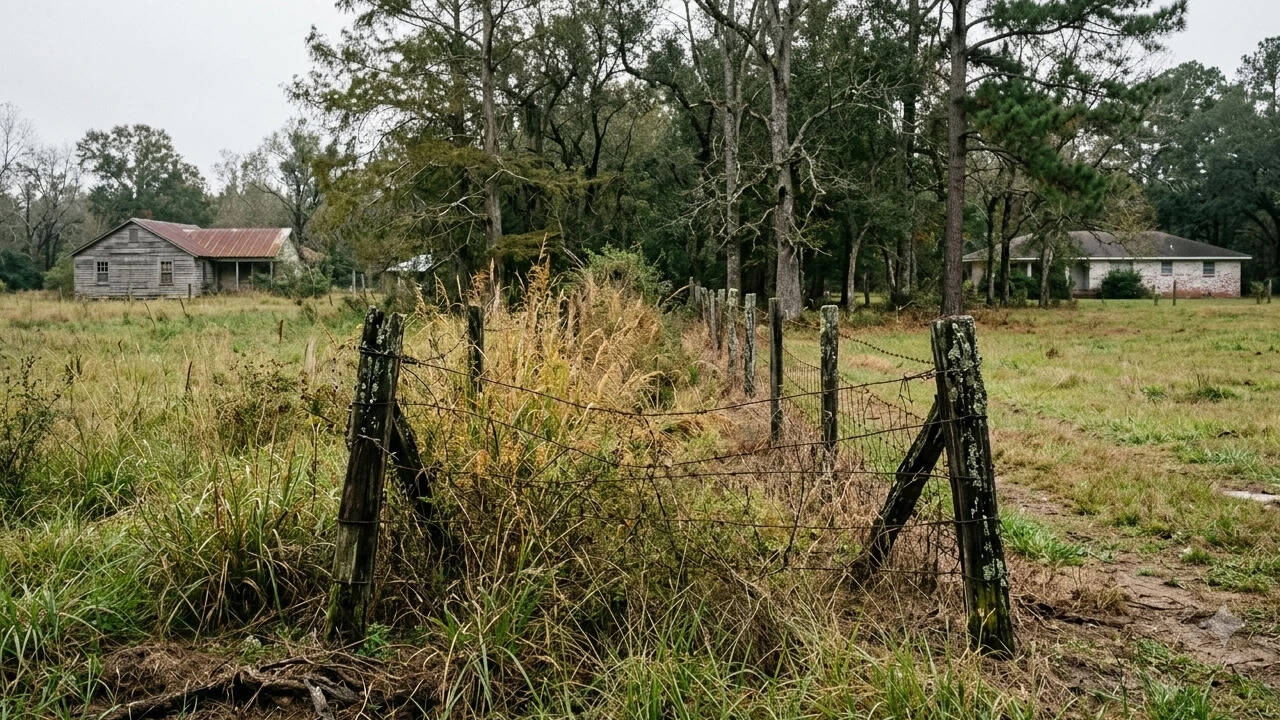
Intensive dairy operations alter local hydrology permanently. To maintain high-yield forage production for cattle, operators install subsurface tile drainage networks, laser-level land to eliminate micro-topography, and construct artificial levees to direct runoff. These modifications maximize soil aeration and prevent waterlogging during wet cycles, but they systematically dismantle the natural water retention capacity of the floodplain. Building on this theme, you can find more in: Why Tearing Down Dams for Atlantic Salmon is Pure Ecological Theater.
When such a parcel undergoes ecological conversion, the primary operational objective is the reversal of drainage efficiency. Engineers must dismantle or plug legacy tile lines, remove compaction layers from heavy machinery traffic, and re-establish variable elevation gradients.
The transformation from an intensive agricultural input-output model to an unmanaged or semi-managed wetland changes the water budget variables entirely. While an active dairy consumes significant volumes of water for crop irrigation and facility sanitation, a restored wetland demands precise inundation schedules to mimic historical seasonal flooding. Water acquisition, conveyance infrastructure, and seasonal drawdown management constitute the primary ongoing operational cost of the system. Without active hydrological control, restored basins risk becoming static, anoxic sumps rather than dynamic biological nodes. Analysts at The Washington Post have provided expertise on this trend.
Avian Colonization Dynamics and Resource Allocation
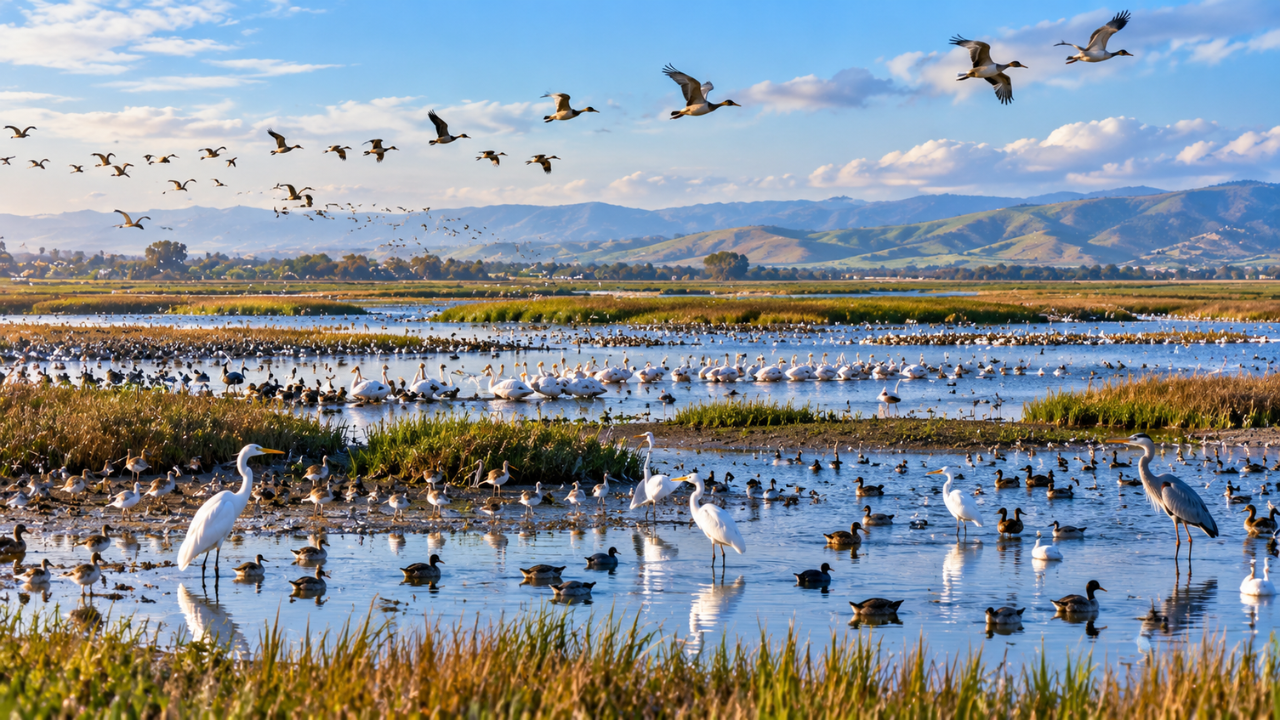
The observation of high-density wildlife usage—such as sixteen thousand waterbirds utilizing a newly flooded parcel within a single diurnal cycle—reveals specific ecological mechanisms governing migratory stopover sites. Migrating waterfowl and shorebirds operate under strict metabolic constraints. They require high-calorie food sources and secure roosting sites distributed along established flyways, such as the Pacific Flyway.
Agricultural conversions succeed rapidly in attracting avian populations because historical losses of natural wetlands have created a severe bottleneck in the regional carrying capacity. When a nutrient-rich agricultural soil is suddenly inundated, it triggers a rapid trophic response:
- Microbial and Invertebrate Blooms: Decomposition of residual organic matter and agricultural soil amendments stimulates massive bacterial and fungal growth, fueling rapid reproduction of chironomid midges, ostracods, and other high-protein aquatic invertebrates.
- Seed Bank Activation: Decades of accumulated weed seeds and dormant aquatic plant propagules germinate under shallow water columns, providing immediate foraging opportunities for granivorous waterfowl.
- Spatial Refuge: Engineered basins with irregular shorelines and emergent islands minimize predator access, offering the low-disturbance roosting conditions necessary for long-distance migrants to recover energy reserves.
This concentration of birds is an indicator of spatial scarcity across the broader landscape. The high density observed in single-day counts does not necessarily reflect long-term carrying capacity; rather, it demonstrates opportunistic aggregation in response to a sudden, high-value resource pulse in an otherwise depleted corridor.
The Economic and Policy Architecture of Conversion
Land-use transitions at this scale are constrained by real estate economics, regulatory frameworks, and long-term maintenance liabilities. Converting private agricultural land into public or semi-public ecological assets involves navigating complex capital expenditure models.
Agricultural Revenue Stream -> Land Acquisition / Conservation Easement -> Hydrological Re-engineering -> Ongoing Adaptive Management
Acquisition costs represent only the initial phase of the capital expenditure curve. The true financial commitment lies in engineering earthworks, securing reliable water delivery rights in an over-allocated watershed, and managing invasive plant species that thrive in disturbed, nutrient-rich wetland soils.
Furthermore, the cessation of agricultural operations removes a local economic engine. Compensation structures, such as conservation easements or participation in environmental mitigation banks, must offset lost agricultural revenues to incentivize private landowners to relinquish productive acreage. These financial instruments link ecological performance directly to capital markets, attempting to price ecosystem services such as flood attenuation, groundwater recharge, and biodiversity preservation.
Long-Term Maintenance and Adaptive Management
A restored wetland is a dynamic system requiring continuous human intervention to prevent ecological degradation. Without natural fire regimes, seasonal drying cycles, and apex predator interactions, artificial wetlands often follow predictable trajectories toward monoculture dominance by invasive species like Phragmites australis or Typha species, which can choke open water channels and reduce habitat utility for target waterbird populations.
Operators must implement adaptive management protocols, adjusting water levels, timing drawdowns to coincide with peak migration windows, and occasionally utilizing mechanical removal or targeted grazing to reset successional stages. The long-term viability of these conversions depends on treating restoration not as a one-time construction project, but as an ongoing operational asset requiring dedicated capital expenditure and technical oversight. Future interventions must prioritize continuous monitoring of soil chemistry, macroinvertebrate density, and avian throughput to ensure that capital deployed yields measurable, sustained ecological return rather than temporary, ephemeral benefits.