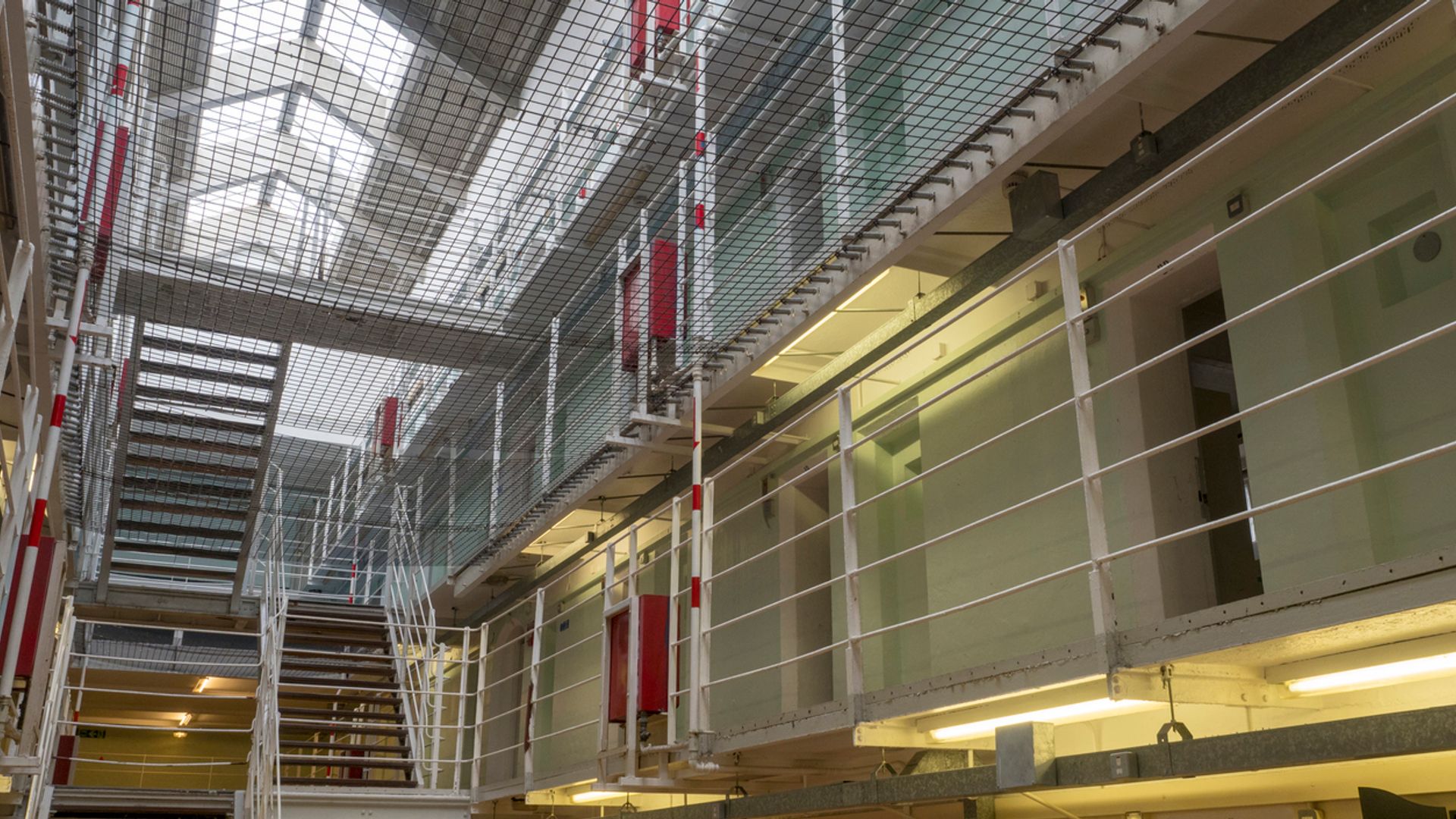
Releasing high-risk individuals back into society is terrifying for the public. It feels impossible to balance community safety with rehabilitation. Governments keep trying new tactics to manage violent and sexual offenders once they walk out prison gates. The latest proposal sounds strict on paper. Officials want to confine certain released prisoners to tiny geographic zones spanning just a few miles.
It sounds like a tight leash. But is it actually keeping communities safe?
The Illusion of Geographic Containment
Confining someone to a narrow perimeter might make citizens feel protected. It creates a neat boundary on a map. Reality is rarely that tidy. When you restrict violent and sexual offenders to zones of a few miles, you squeeze them into hyper-dense urban pockets or isolated rural strips.
Think about where affordable housing exists in most cities. These zones often overlap with areas that already struggle with high crime rates, limited social services, and scarce employment opportunities. You are basically dropping a high-risk individual right back into an environment packed with triggers and lacking structural support.
Surveillance sounds bulletproof until you look at how tracking technology actually functions. GPS anklets fail. Batteries die. Signal drops happen inside concrete apartment buildings and subway tunnels. Relying purely on a digital perimeter creates a false sense of security. Officers cannot be everywhere at once.
The Trap of Social Isolation
Rehabilitation requires stability. It needs steady work, reliable housing, and a pro-social support network. Zone restrictions completely wreck those chances.
If a man is restricted to a three-mile radius, his job prospects shrink to almost zero. He cannot commute across town for a warehouse job or a trade apprenticeship. Employers already hesitate to hire former felons. Add strict travel bans to the mix, and legitimate employment becomes nearly impossible.
Isolation breeds recidivism. When people cannot access mental health clinics, addiction support groups, or family networks outside their designated zone, they spiral. Boredom and desperation take over. Instead of stabilizing, the individual becomes more volatile. The restriction meant to protect the public ends up accelerating the exact behaviors authorities want to prevent.
What Probation Officers Actually Face
Probation and parole officers carry caseloads that defy logic. Managing a handful of offenders is difficult enough. Managing hundreds while tracking micro-movements across restrictive geographic zones is a logistical nightmare.
Every single alert about a boundary violation requires immediate investigation. Most alerts turn out to be technical glitches. Officers waste hours chasing false alarms generated by weak satellite signals instead of conducting meaningful in-person check-ins. The system prioritizes digital policing over human evaluation.
Real supervision means building a rapport, spotting behavioral changes early, and holding people accountable face-to-face. Micro-zoning turns officers into glorified IT support workers watching blips on a screen.
Moving Past Gimmicks
We need real solutions instead of political theater. Sound crime prevention requires investing in mental health infrastructure, supportive housing, and intensive supervision teams that can actually monitor human behavior rather than digital footprints.
Restricting offenders to a few miles might score quick political points on evening news broadcasts. It sounds tough. It plays well to voters demanding immediate action. But public safety suffers when policy relies on optics rather than evidence. Keeping communities safe requires long-term structure, stable employment paths, and active human oversight. Anything else is just pretending the problem has a quick fix.