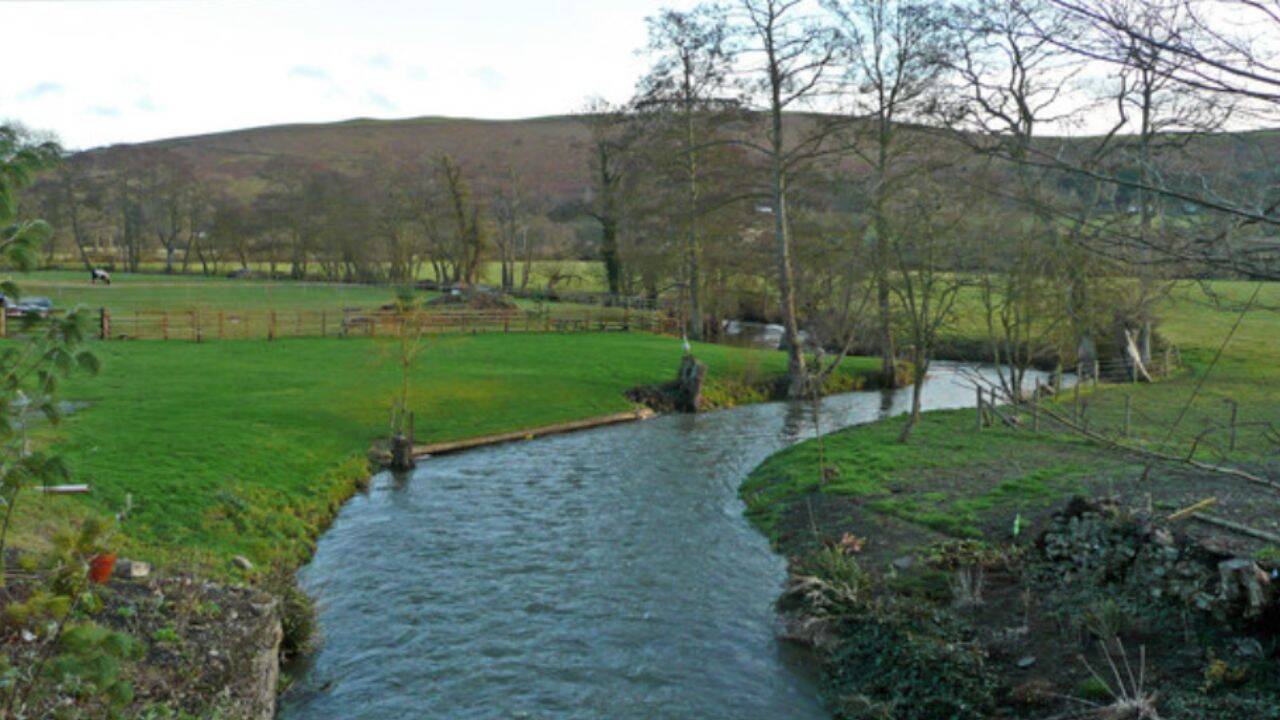
Victorian engineers loved straight lines. They looked at nature's loops, bends, and curves and saw inefficiency. During the 1800s, industrial drivers and agricultural expansion led workers to grab shovels and heavy machinery to straighten thousands of miles of rivers across the globe. They wanted to channel water away from fields quickly. They wanted to control nature.
They got it completely wrong.
Turning a natural, winding river into a glorified drainage ditch speeds up the water. It destroys habitats. It worsens downstream flooding. Today, conservationists are undoing this historic mistake through a process called re-wiggling. By putting the bends back into waterways, environmental teams are proving that fixing the planet sometimes means reversing human engineering.
The results are coming in fast, and they are spectacular.
The Cost of Straightening Our Waterways
When you force a river into a straight line, you strip away its soul. Natural rivers are supposed to be messy. They need shallow gravel beds, deep pools, slow-moving eddies, and seasonal wetlands. Each of these features provides a specific home for different species.
A straight channel acts like a water highway. The water moves too fast for fish to rest or spawn. It washes away the fine gravel needed by insects and trout. It cuts deep into the riverbed, separating the water from its natural floodplain.
Consider Swindale Beck in Cumbria, England. In the nineteenth century, people straightened this mountain stream to gain a few extra acres of grazing land. The consequence was a sterile chute where water thundered down the valley, leaving zero space for wildlife to thrive. It stayed that way for over a century. A dead zone in a beautiful valley.
How Re Wiggling Actually Works
Restoring a river is not about just digging a random new ditch and hoping for the best. It requires careful historical detective work and modern hydrological science.
Engineers start by looking at old maps from before the 1800s. They use aerial laser scanning to find the faint depressions where the river used to flow before humans interfered. These old paths are called paleochannels.
Once the team maps the historic route, the heavy work begins.
Digging the New Bends
Excavators dig out the historic, winding path. They do not just make a uniform trench. They recreate the natural variation of a healthy river. They build shallow areas where water riffles over stones. They dig deep pools where fish can hide from predators and stay cool during hot summer days.
Plugging the Old Channel
Once the new, winding channel is ready, workers use the excavated earth to block the straight Victorian ditch. This forces the water back into its original, natural path. The change is immediate. The river slows down instantly as it hits the new bends.
Let the River Do the Rest
True restoration means letting nature take the wheel. Once the basic shape is there, the river begins to manage itself. It deposits gravel in some places and erodes banks in others. This constant, slow movement creates a dynamic environment that stays healthy on its own.
The Instant Return of Wildlife
The most shocking part of river re-wiggling is how fast nature recovers. You might think it would take decades for wildlife to find a altered ecosystem. It takes days.
When conservationists opened up the new bends at Swindale Beck, Atlantic salmon spawned in the new gravel beds within three months. These fish had ignored the straight channel for generations because the water flowed too fast for them to lay eggs. The moment the water slowed down, they returned.
It is not just about fish. The benefits ripple across the entire ecosystem.
- Insects thrive: Slower water allows mayflies, caddisflies, and stoneflies to reproduce, creating a massive food source for birds and bats.
- Birds return: Kingfishers find hunting spots in the slow pools, while wading birds utilize the muddy edges.
- Plants recover: Wetland vegetation stabilizes the banks and filters out agricultural runoff.
Slower Water Means Safer Towns Downstream
Re-wiggling rivers is not just a project for birdwatchers and fish enthusiasts. It is an essential strategy for protecting human infrastructure from extreme weather.
When heavy rain hits a straightened river, the water rushes downstream like a flash flood. It hits towns and villages all at once, causing catastrophic property damage.
A wiggling river acts like a giant sponge. The bends slow the current down. The high water spills safely onto unpopulated floodplains instead of rushing into residential basements. By slowing the water down in the countryside, we protect cities downstream. It is a simple, cost-effective method that works better than building massive concrete walls.
The Challenges We Have to Face
If re-wiggling is so great, why are we not doing it to every river?
Honestly, it is a logistical nightmare. Land ownership is the biggest hurdle. Over the last two centuries, farmers and property owners have built right up to the edges of straightened rivers. Convincing landowners to give up acreage so a river can wander across their property is a tough sell.
It also requires money. Moving thousands of tons of earth takes time, heavy machinery, and serious funding. Projects usually rely on partnerships between wildlife trusts, government environment agencies, and forward-thinking utility companies.
We also have to fight the old mindset. Many people still believe that a clean river is a straight, clear ditch. We need to shift public perception to understand that a messy, woody, winding river is actually a healthy one.
How to Support River Restoration in Your Area
You do not need to own a valley or drive an excavator to help fix our waterways. The push for healthier rivers starts with local action.
Get involved with your local rivers trust or wildlife charity. These organizations constantly look for volunteers to help plant native trees along riverbanks, monitor water quality, or clear out invasive species.
You can also advocate for smarter land-use policies in your community. Support initiatives that prioritize natural flood management over concrete engineering. Talk to local farmers about the benefits of creating buffer zones between their fields and watercourses. Every bend we restore helps repair a century of damage.