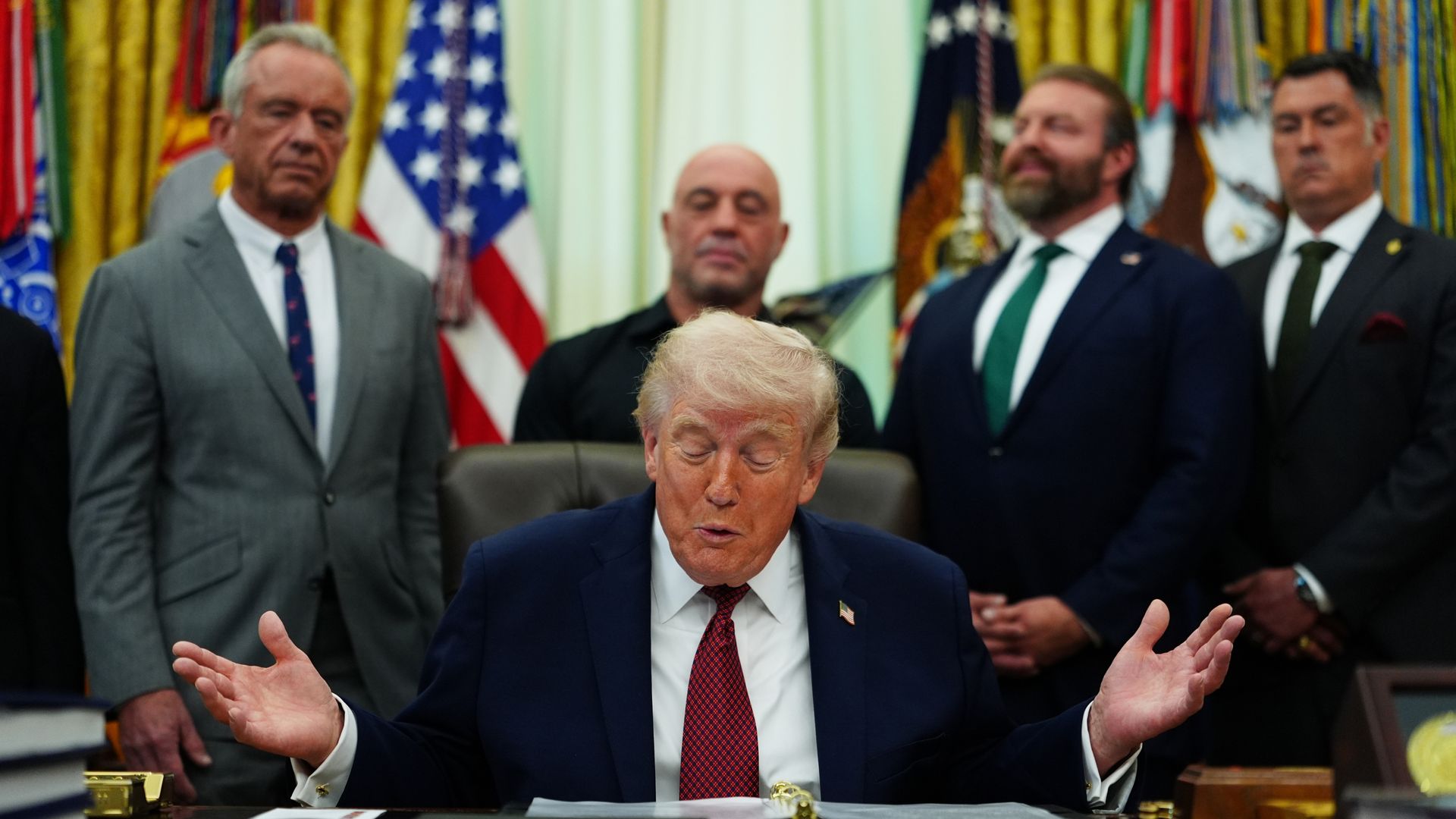
Robert F. Kennedy Jr. recently signaled a shift in tone regarding federal health recommendations by stating that his department would advise all children to receive the measles vaccine. This move represents a significant pivot for a figure whose career has been defined by skepticism toward the pharmaceutical industry and the regulatory agencies that oversee it. While the announcement may seem like a reversal, it actually highlights the complex friction between personal ideology and the rigid machinery of federal public health policy. Kennedy is attempting to thread a needle that satisfies a skeptical base while adhering to the empirical demands of a department charged with preventing massive outbreaks of preventable diseases.
The measles, mumps, and rubella (MMR) vaccine is the bedrock of pediatric preventative care in the United States. Measles is one of the most contagious viruses known to man, capable of lingering in the air for hours after an infected person has left a room. Without high levels of population immunity, typically cited by epidemiologists as needing a 95% uptake rate, the virus finds pockets of vulnerability with terrifying speed. By stating that federal guidance will continue to support universal vaccination for children, Kennedy is acknowledging a mathematical reality: the cost of a measles resurgence is higher than the political cost of appearing to compromise.
The Institutional Weight of the HHS
When a political appointee takes the helm of a massive bureaucracy like the Department of Health and Human Services (HHS), they don't just inherit an office; they inherit a decades-old infrastructure of data, career scientists, and legal mandates. Kennedy's assertion that the department will advise for the measles vaccine is less an endorsement of personal belief and more an admission of institutional gravity. The CDC and the FDA operate on established protocols that cannot be dismantled overnight by a single directive without triggering massive legal and public health fallout.
The infrastructure of the HHS is designed to be slow and data-driven. This creates a buffer. Even if a leader wants to move the needle on a specific policy, the internal review processes and the sheer volume of supporting evidence for the MMR vaccine create a high barrier to entry for radical change. Kennedy is working within a system where the "advice" given to the public is vetted by thousands of specialists whose primary metric is the reduction of mortality and morbidity.
[Image of how vaccines work in the immune system]
Reconciling Skepticism with Public Safety
Kennedy built his reputation by questioning the safety of vaccine ingredients and the transparency of the clinical trial process. His recent statements suggest a strategy of "informed consent" rather than outright opposition. By maintaining the recommendation for the measles vaccine, he keeps a foot in the door of mainstream credibility. However, the nuance he often adds—focusing on individual choice and more "rigorous" testing—creates a dual-track message.
One track satisfies the scientific community by keeping the official guidance intact. The other track speaks to his long-term supporters by suggesting that while the advice remains, the way that advice is generated will be subject to new levels of scrutiny. This is a delicate balancing act. If the rhetoric shifts too far toward skepticism, parents may skip the shots, leading to the very outbreaks that the department is tasked with preventing. If he leans too hard into the mandate, he loses the populist energy that fueled his political rise.
The Mathematics of an Outbreak
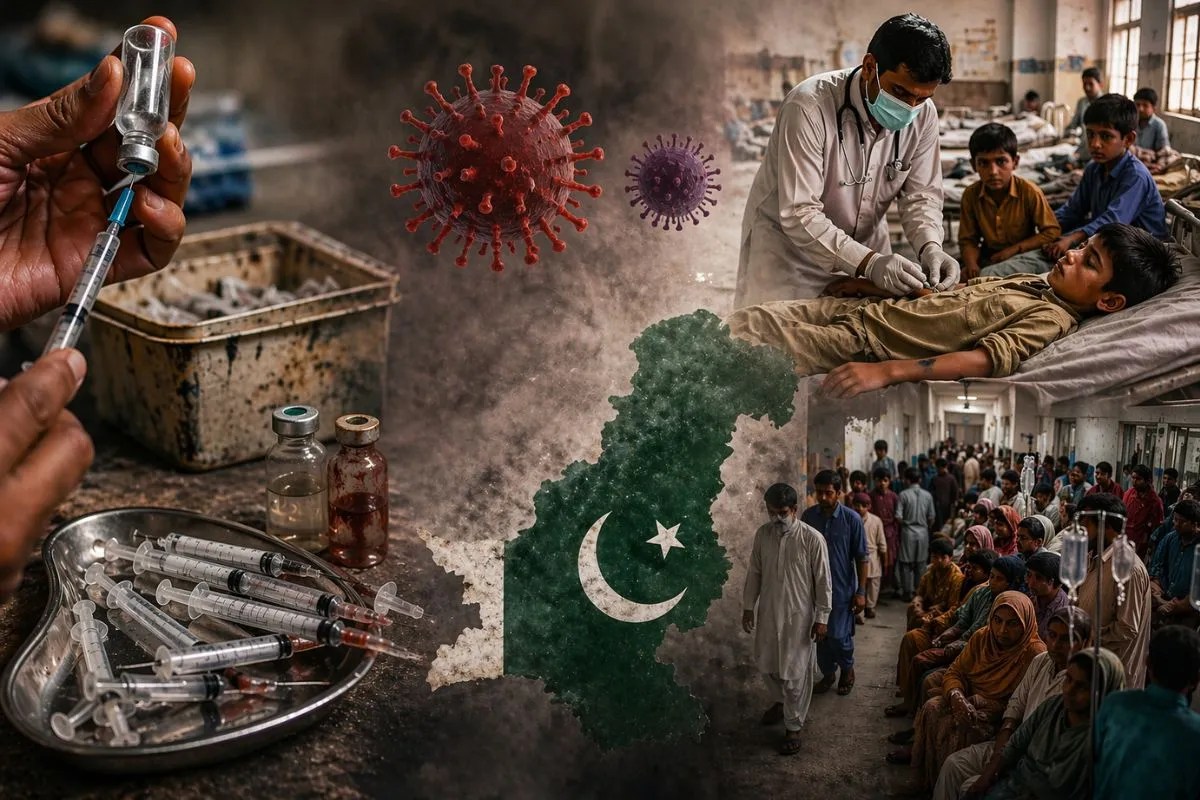
Measles is not just another childhood illness. It is a biological heat-seeking missile. Before the vaccine was introduced in 1963, nearly every child in America contracted measles by the age of 15. It resulted in hundreds of deaths and thousands of cases of permanent disability, such as deafness or brain swelling, every year.
$$R_0 \approx 12-18$$
The $R_0$ value for measles is one of the highest in virology, meaning one sick person can infect up to 18 others in an unvaccinated population. This high transmission rate is why "advising" the vaccine isn't just a suggestion; it’s a national security measure for the healthcare system. Kennedy's department is forced to reckon with the fact that a drop in vaccination rates leads to an exponential increase in hospitalizations. This isn't a matter of opinion; it is a matter of hospital bed capacity and emergency room triage.
The Debate Over Vaccine Safety Data
A core component of the new administration’s approach involves a promise to open up federal databases for more "transparent" analysis. Kennedy has frequently cited the Vaccine Adverse Event Reporting System (VAERS) as a tool that requires more public visibility. However, analysts point out that VAERS is a self-reporting system designed to catch signals, not to establish definitive causation.
The danger in a more aggressive push for "transparency" lies in the interpretation of raw data by those without the statistical training to understand it. When federal agencies provide advice, they are synthesizing thousands of peer-reviewed studies. If the department shifts toward releasing raw, uncontextualized data under the guise of transparency, it could inadvertently fuel misinformation even while the official "advice" remains pro-vaccine. This creates a paradox where the message of the department is undermined by the very data it releases.
Accountability and the Regulatory Capture Argument
Kennedy’s long-standing critique is that health agencies have been "captured" by the industries they regulate. He argues that pharmaceutical companies exert too much influence over the approval process. By advising that children get the measles vaccine, he is essentially saying that this specific product meets a standard of necessity, even if he views the broader system as flawed.
This distinction is vital for understanding his likely trajectory. He isn't looking to burn the house down; he is looking to change the locks. By keeping the measles recommendation, he avoids being branded as a total iconoclast, which allows him more leverage to pursue changes in other areas, such as food dyes, seed oils, and chronic disease environmental factors. The measles vaccine is the sacrifice he makes to stay at the table for those other fights.
The Impact on Pediatricians and Local Clinics
The real-world application of federal guidance happens in small exam rooms, not in Washington D.C. offices. When the head of the HHS speaks, pediatricians listen because those words influence insurance coverage, school entry requirements, and parental trust. If there is a perceived ambiguity in the federal stance, the job of a local doctor becomes infinitely harder.
Doctors rely on the "gold standard" of federal advice to convince hesitant parents. If Kennedy’s department offers a lukewarm or "qualified" recommendation, it weakens the shield that doctors use during difficult conversations. The current stance—that the department advises all children to get the vaccine—provides a necessary baseline of consistency. Without it, the patchwork of state-level exemptions would likely expand, creating a "Swiss cheese" effect in national immunity where the virus can easily slip through.
Looking at the Global Context
The United States does not exist in a vacuum. The World Health Organization (WHO) and other international bodies monitor American vaccine policy closely. If the U.S. were to withdraw its recommendation for the measles vaccine, it would trigger a global crisis of confidence. Many developing nations look to the CDC and FDA as the ultimate authorities on drug safety.
A shift in American policy could lead to a resurgence of measles in regions where the healthcare infrastructure is too fragile to handle an epidemic. Kennedy is likely aware that his department's advice has geopolitical consequences. By maintaining the status quo on the MMR vaccine, he prevents a diplomatic and humanitarian disaster that would overshadow any domestic policy wins he hopes to achieve.
The Tension of Choice vs. Mandate
There is a fundamental difference between "advising" a vaccine and "mandating" one. Federal agencies generally advise, while states handle the mandates for school attendance. Kennedy’s rhetoric often leans heavily on the idea that the federal government should not be in the business of coercion. By focusing on advice, he satisfies the legal limits of his office while leaving the door open for states to move away from mandates if they so choose.
This distinction is the key to his survival in the role. He can claim he is providing the best scientific advice—which currently supports vaccination—while simultaneously arguing that he respects the individual’s right to ignore that advice. It is a libertarian approach to public health that hasn't been tested on this scale in the modern era. The risk is that "advice" without the weight of societal expectation leads to a gradual erosion of the herd immunity that protects the most vulnerable, such as infants too young to be vaccinated or chemotherapy patients.
Scientific Rigor and Future Challenges
The promise of "more testing" is a common theme in Kennedy's discourse. He has called for gold-standard, double-blind placebo-controlled trials for all vaccines on the childhood schedule. Critics argue that these trials have already been done in various forms and that using a true placebo (an inert substance like saline) in a trial for a known life-saving vaccine would be unethical, as it would leave the control group at risk of death or disability.
If Kennedy pushes for new trials for the measles vaccine, it could take a decade to see results. In the meantime, the "advice" must remain in place to prevent immediate harm. This creates a holding pattern. The department continues to recommend the current vaccines based on existing data, while Kennedy signals that he is seeking "better" data for the future. It is a way to bridge the gap between his past activism and his current institutional responsibility.
The true test of this department will not be a single statement about the measles vaccine. It will be how it handles the next localized outbreak. When the first cluster of cases appears in a community with low vaccination rates, the HHS will have to decide how aggressively it promotes the vaccine it says it advises. Words are cheap in a press conference; they become very expensive when the emergency room starts filling up with children who can’t breathe.