Walk through the sprawling hills of Cox's Bazar in Bangladesh today, and you will hear a terrifying silence. It isn't the quiet of peace. It's the suffocating stillness of people who have been completely forgotten by the rest of the world. Nearly one million Rohingya refugees remain trapped in the world's largest makeshift camp settlement, and the international safety net holding them together has snapped.
If you think foreign aid is just a political talking point debated in western capitals, you haven't seen what happens when it disappears. Funding for the Rohingya response has cratered. The United Nations joint appeals are severely underfunded, and agencies like the World Food Programme have been forced to repeatedly slash food vouchers and scale back basic services. When daily survival comes down to a few dollars a month per person, life in the camps stops looking like a temporary humanitarian effort and starts looking like a permanent open-air detention center.
The Arithmetic of Despair Inside the Camps
Let’s look at the numbers because they reveal the brutal reality of what a funding shortfall actually means. When food rations drop, families don't tighten their belts; they skip days. Children stop going to school because they are sent out to find work or beg. Malnutrition rates, which were already hovering at dangerous levels, spike rapidly.
The camp economy is completely choked off. Refugees aren't legally allowed to work or leave the district of Cox's Bazar. They rely almost entirely on aid distributions that are now shrinking by the month. When you trap a population with no legal income, no freedom of movement, and shrinking food supplies, desperation takes over.
Where Do Desperate People Go?
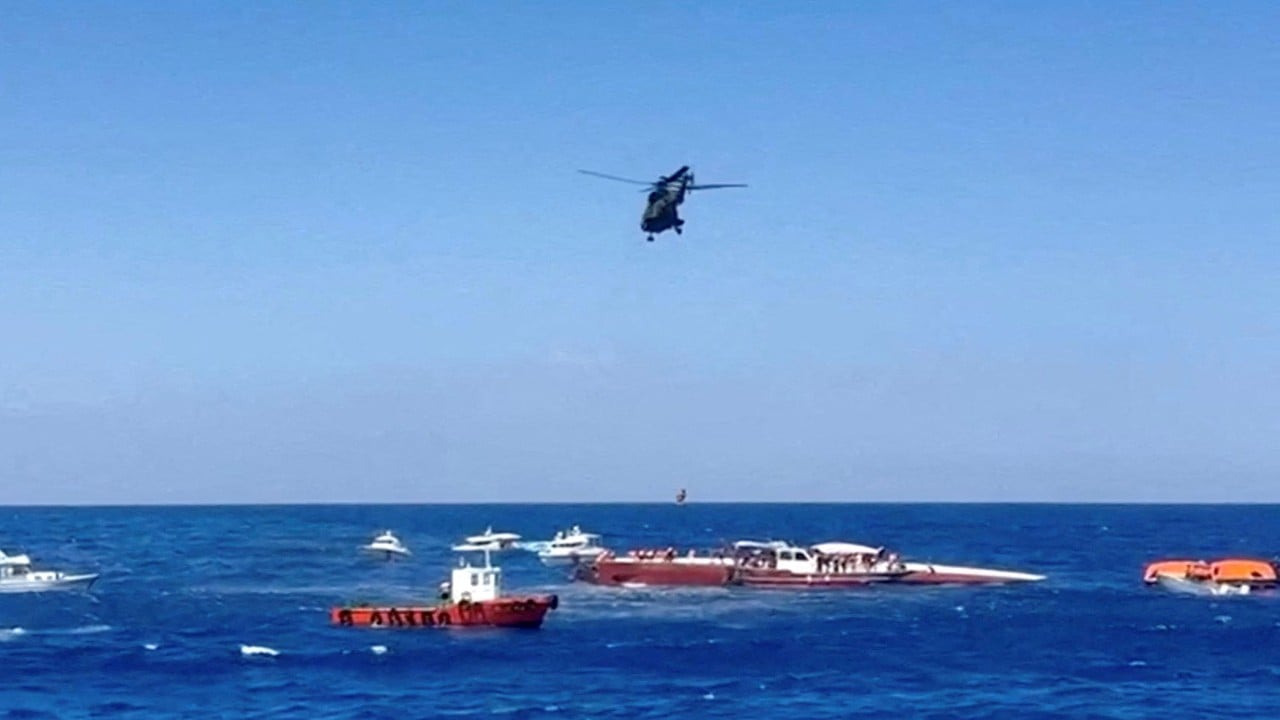
When safety disappears at home, people take unthinkable risks. That's why maritime departures from Bangladesh have surged into some of the deadliest voyages on earth. Thousands of Rohingya board rickety wooden boats every year, risking the Bay of Bengal and the Andaman Sea to reach Malaysia or Indonesia.
Human traffickers and criminal gangs exploit this exact misery. They promise passage to a better life, only to trap refugees in debt bondage, extortion, or worse. Inside the camps, armed factions and criminal networks fill the vacuum left by underfunded aid agencies, recruiting young men who see no other way to survive or feed their families.
The Illusion of Repatriation
Politicians love to talk about repatriation as the ultimate solution. Myanmar's Rakhine State, the homeland from which the military drove the Rohingya in a brutal campaign of ethnic cleansing, remains an active war zone. Returning people to a place where they faced mass atrocities, and where violence continues to escalate, isn't a solution. It's a death sentence.
Myanmar's military junta has zero interest in granting citizenship or basic rights to the Rohingya. Pretending that a voluntary return is right around the corner allows donor governments to wash their hands of financial responsibility. It's an easy excuse to cut budgets and look away.
What Actually Needs to Happen Now
Solving this crisis requires abandoning short-term political theater and facing harsh truths.
First, donor nations must stop treating the Rohingya budget as an optional charity line item that can be slashed whenever domestic political winds shift. Sustained, predictable funding is the only thing keeping mass starvation at bay.
Second, the international community has to put real diplomatic pressure on regional governments—including Bangladesh and ASEAN members—to expand legal employment rights and formal education access for refugees. Keeping people locked in a state of perpetual limbo for nearly a decade destroys generations.
If you want to help, stop treating this as a distant news cycle that ends when the headline drops off your screen. Support grassroots NGOs that provide direct aid on the ground, pressure your elected representatives to maintain foreign assistance commitments, and refuse to accept the narrative that nothing can be done. The Rohingya didn't choose this invisible prison. Ignoring them only guarantees that the humanitarian disaster on our watch gets much worse.