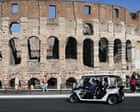
You step off the curb near Piazza Navona and a silent, open-air vehicle buzzes past your ear at twenty miles per hour, narrowly missing your elbow. Welcome to modern Rome, where the eternal city's chaotic streets have added a brand new villain to the daily commute: the tourist golf cart.
Rome has survived invasions, political corruption, and Julius Caesar trying to ban chariot traffic two thousand years ago. But right now, locals are losing their patience over an explosion of electric golf carts ferrying exhausted sightseers past the Pantheon and the Spanish Steps.
If you are planning a trip to Italy or trying to understand why residents are up in arms, you need to look past the postcard-perfect photos. The reality on the ground is a messy clash between desperate tourists with tired feet and locals who feel like strangers in their own neighborhoods.
The Appeal Versus The Aggravation
Let us be fair to the visitors. Walking Rome in July is an endurance test. You battle stifling heat, broken cobblestones, and massive queues just to squeeze into the Vatican.
When tourists look at options like a three-hour golf cart tour costing upwards of three hundred euros, it looks like a dream. You get to feel the Mediterranean breeze, skip the miles of walking, and see the sights without melting.
Operators defend the vehicles fiercely. They point out that golf carts are electric, relatively quiet, and leave zero tailpipe emissions in a city choking on fossil fuels. They argue they provide a smart, nimble alternative to giant tour buses that clog up medieval alleyways.
Why Romans Are Fed Up
Ask anyone living in the historic center how they feel about the carts, and you will hear a different story. The phrase "I have to dodge them all the time" is becoming the unofficial motto of downtown Rome.
Around five hundred of these carts now operate in the city center, and their numbers surged after bookings jumped dramatically over past seasons. They bottleneck narrow streets, block pedestrian paths, and park wherever they can fit because Rome has zero dedicated infrastructure for them.
Local shopkeepers watch them swarm popular piazzas day and night. Nora Fahmi, who works at an art photography shop near the Pantheon, put it bluntly when talking to reporters: after thirteen years in the neighborhood, she finds the current situation wild and overwhelming.
Then there is the friction with traditional transport. Traditional taxi drivers are furious, accusing golf cart companies of undercutting their fares and operating as unregulated rogue taxis. Traffic tempers flare daily as delivery vans, angry Romans on Vespas, and tourist carts trade hostile hand gestures across busy intersections.
Crackdowns and New Regulations
The city government has finally decided enough is enough. Municipal police launched sweeping sweeps across tourist hotspots like Circo Massimo and Piazza Navona, handing out tens of thousands of euros in fines.
Investigators found that a staggering percentage of operating carts were lacking proper authorization or ignoring local commercial transit laws. Regional authorities are drafting strict new rules to cap vehicle numbers, mandate fixed itineraries, and force operators back to designated depots after every shift.
Operators claim these upcoming rules will crush a thriving micro-economy. They argue officials are catering to taxi lobbies rather than embracing green innovation.
If you want to tour Rome without contributing to the chaos, consider pacing your itinerary or relying on the metro system and old-fashioned walking shoes. Overtourism is a complex beast, but until city hall figures out how to police the streets, those quiet little carts will remain public enemy number one for the people who call Rome home.