King Charles III has landed in Washington to perform the most delicate salvage operation of his reign. Nominally, the four-day state visit celebrates the 250th anniversary of the Declaration of Independence, a tidy historical irony that allows the British monarch to toast the very rebellion that severed his family’s grip on the New World. But the soft-lit photo ops and tea in the Green Room are merely the stage dressing for a high-stakes diplomatic intervention. The King is here to repair a fractured Atlantic alliance that has reached its lowest point in decades.
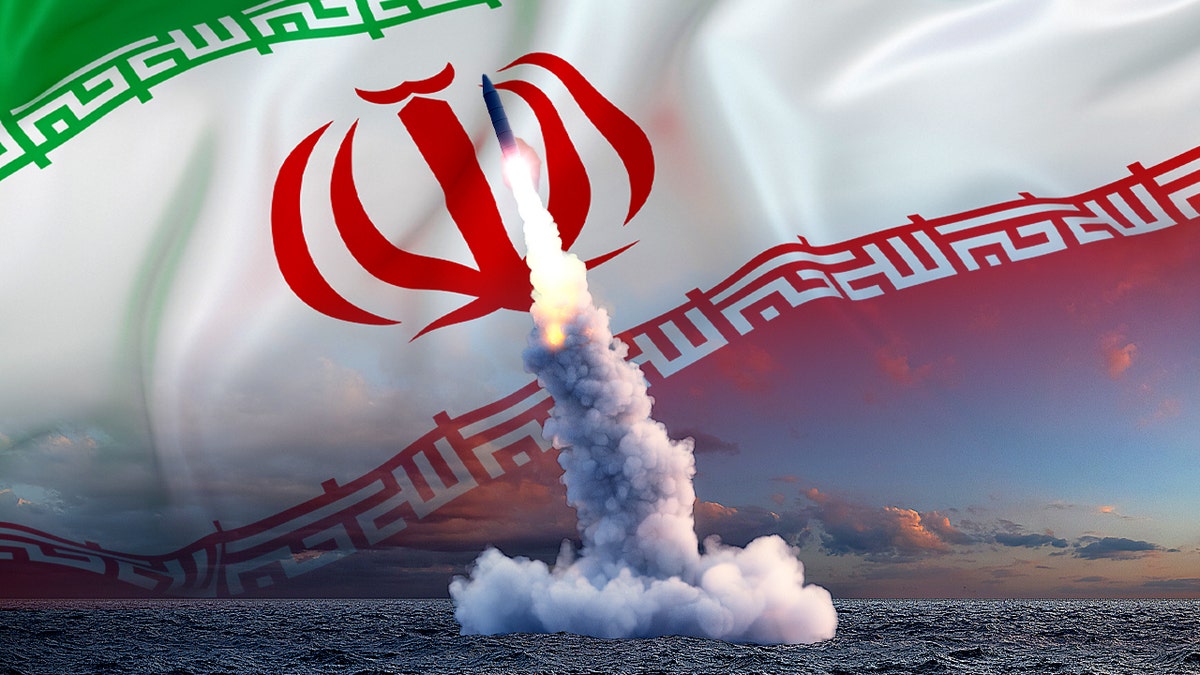
Relations between 10 Downing Street and the Trump White House are currently frostbitten. President Trump’s frustration with Prime Minister Keir Starmer’s refusal to join the war with Iran has created a policy chasm that traditional diplomacy has failed to bridge. With trade disputes over digital services taxes and divergent energy priorities further souring the mood, the British government has deployed its most potent remaining asset: the Crown.
Diplomacy by Other Means
The King’s role is strictly non-political, yet his presence is the ultimate political tool. By addressing a joint meeting of Congress—only the second British monarch to do so—Charles is bypassing the executive friction to speak directly to the American legislature. This move is designed to remind the American political class that the "Special Relationship" exists beyond the temperament of whoever occupies the Oval Office or Downing Street.
It is a difficult needle to thread. The King must champion the shared values of 1776 while navigating a 2026 landscape where those values are interpreted through vastly different lenses. On Tuesday, he will stand where his mother stood in 1991, but the world has shifted. Queen Elizabeth II spoke to a triumphant post-Cold War America; Charles addresses a nation deeply divided and an administration that views traditional alliances as transactional.
The Trade Symbolism in a Sandwich
While the grand speeches grab the headlines, the real work often happens at the buffet table. At the British Embassy garden party, the menu featured 3,000 sandwiches, including British roast beef. This wasn't a culinary whim. It was a pointed celebration of the recent lifting of US tariffs on British beef, a small but hard-won victory in a trade environment otherwise defined by Trump’s threats of new duties on tech firms.
These minor concessions represent the "soft power" and industrial ties the visit seeks to insulate from the volatility of the Iran conflict. By bringing together figures like Treasury Secretary Scott Bessent and business leaders, the monarchy acts as a neutral ground where dialogue can persist even when formal cabinet-level communication has stalled.
The Trump Factor
Donald Trump’s affinity for the British monarchy is well-documented. He has repeatedly called the King a "friend" and a "great guy." This personal rapport is the primary reason Starmer’s government pushed for the visit despite the domestic backlash in London. There is a calculated gamble at play: if the King can charm the President, he might create the "breathing space" necessary for diplomats to resolve the impasse over Iran and North Sea energy policy.
However, the optics are treacherous. The South Portico greeting featured a painting of the 2024 Pennsylvania assassination attempt, a stark reminder of the populist fire currently defining American politics. Charles, a man who has spent decades advocating for environmental conservation and religious harmony, must find common ground with an administration that has made "drill, baby, drill" its energy mantra and views globalist climate pacts with suspicion.
Security and the 48 Hour Shadow
The visit is taking place under a security blanket that is suffocating even by Washington standards. Following the shooting incident at the White House Correspondents' Dinner just 48 hours before the King's arrival, the planned itineraries have been tightened. Every public movement is a logistical nightmare. This tension adds a layer of grim reality to the proceedings; the celebratory nature of the 250th anniversary is being held against a backdrop of domestic instability and foreign war.
Beyond the Speeches
The King’s address to Congress will likely lean heavily on history, but the subtext will be modern survival. The UK is desperate to secure its place in a "U.S. First" trade world. For the American side, the visit offers a chance to project a sense of traditional statesmanship and global leadership at a time when its foreign policy is being questioned by allies and adversaries alike.
The success of this trip won't be measured in the applause following the King’s speech or the quality of the wine at the state banquet. It will be measured in whether the rhetoric of "historic connections" can actually prevent a trade war or a total collapse of security cooperation in the Middle East. The King is acting as a ceremonial buffer, a role the British monarchy has perfected over a thousand years, yet the stakes have rarely been this high for a man still establishing the narrative of his own era.
The Crown has been brought in to fix what the politicians broke. If Charles fails to warm the room, the Special Relationship may finally be revealed for what many fear it has become: a relic of a shared past with no clear future.