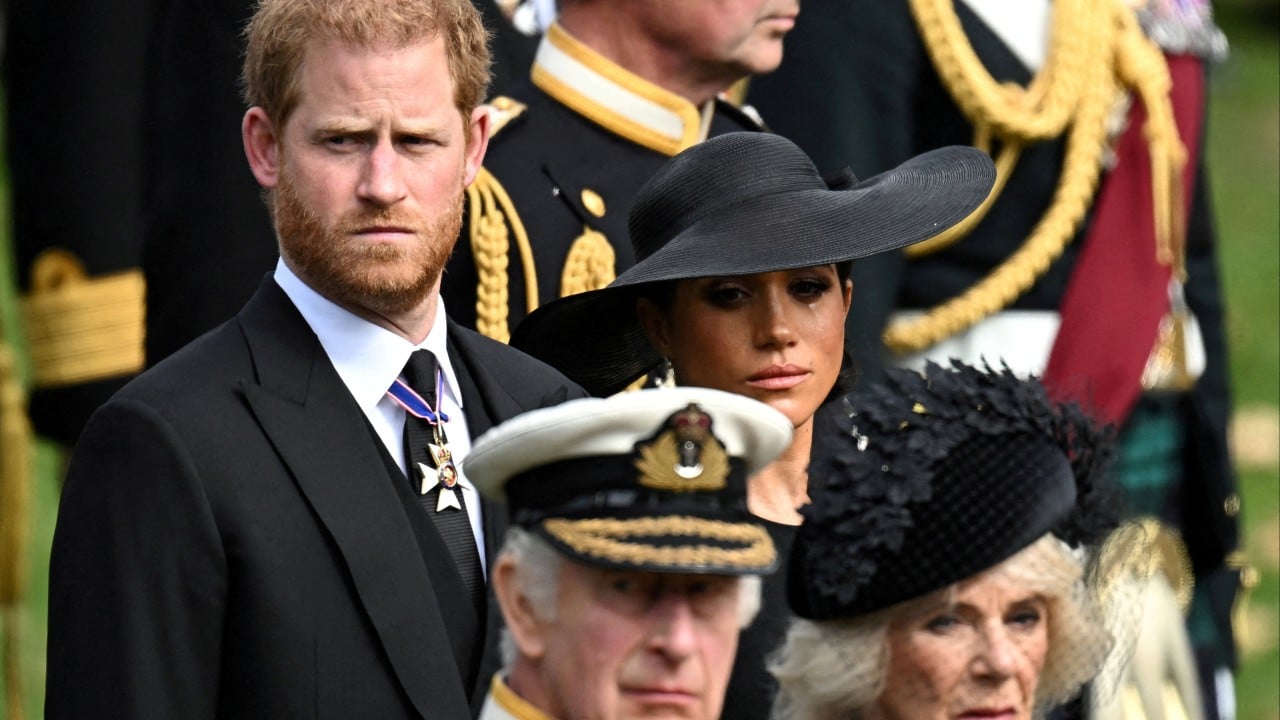
King Charles III has broken years of diplomatic gridlock by hosting Prince Harry and his family at Windsor, marking their first joint gathering since the publication of Spare upended the House of Windsor. This meeting was not a spontaneous burst of family warmth. It was a calculated, high-stakes diplomatic maneuver orchestrated from the very top of the institution. For years, the royal rift has functioned as a slow-drain on the monarchy’s public capital. By initiating this face-to-face encounter, the King is attempting to neutralize a long-standing public relations liability and secure a fragile institutional stability before his reign progresses any further.
The palace spin machine would have the public believe this is a simple story of a father’s enduring love. The reality behind the palace walls is far more pragmatic. The British monarchy operates as a multi-billion-dollar brand wrapped in state tradition. Every public fracture diminishes its influence, particularly in the Commonwealth nations where the Duke and Duchess of Sussex have retained significant cultural currency. This gathering represents a controlled environment where terms of engagement can be tested without the immediate interference of legal teams or publicists.
The Cold Math of a Crown Under Pressure
Monarchies survive on optical consensus. When key members of the immediate family operate as rogue agents in the American media market, the core message of the crown becomes diluted. Charles understands that his mother’s historic seventy-year reign was anchored by an unwavering devotion to silence and duty. His own tenure began under a cloud of transition, and the persistent background noise of the California exile has hampered his ability to define his own era.
This meeting serves several distinct strategic purposes for the King.
- Defusing the Litigation Liability: Prince Harry’s ongoing legal battles with the British tabloid press have repeatedly threatened to drag senior royals into open court proceedings. A closer relationship with the King introduces a subtle leverage point to discourage further scorched-earth legal strategies.
- The Commonwealth Question: The Sussexes still hold considerable sway with younger demographics across the Commonwealth. By bringing them back into the orbit of the court, the institution signals a willingness to modernise without actually altering its core power structure.
- Controlling the Narrative: If the palace is seen as the party extending the olive branch, any future media broadsides from Montecito will look inherently vindictive rather than defensive.
The risk profile for the King is immense. Senior courtiers have spent the last three years building a firewall around the Prince and Princess of Wales, who remain the long-term future of the brand. Introducing the Sussexes back into the physical proximity of the court threatens to crack that foundation. William’s camp has remained notoriously unyielding regarding his brother’s exit strategies. The decision to host Harry was made by the sovereign alone, overriding substantial internal resistance from within his own household staff.
Moving Beyond the Media Cold War
The mechanics of this meeting required months of back-channel communications. It did not happen via text message or casual phone calls. Private secretaries and trusted intermediaries handled the logistical and emotional choreography to ensure neither party faced public embarrassment. The core issue remains a fundamental mismatch in expectations. Harry has consistently demanded a formal apology for the treatment of his wife and the leaking of negative stories to the press. The palace has maintained a policy of strategic amnesia, refusing to validate grievances that would require acknowledging institutional complicity.
The Problem with Royal Megaphones
When the Sussexes stepped down as working royals, they traded institutional protection for commercial autonomy. That autonomy required them to monetize their royal identities through major media contracts. The currency of those contracts was proximity and revelation.
Now, that well is running dry. Audiences have grown fatigued by the repetitive cycle of grievance, and the commercial market for royal tell-alls has contracted significantly. This economic reality creates a rare window of vulnerability that the palace is keen to exploit. A dependent or cooperative Harry is far less dangerous to the stability of the crown than a Harry who needs to generate a headline to satisfy a streaming platform's production deal.
The Wales Factor
Any permanent reconciliation must navigate the absolute veto power held by the Prince of Wales. William views the public disclosures of family matters as an unforgivable breach of trust. His perspective is shaped by the knowledge that he will eventually inherit a throne that has been destabilized by these public disputes. While Charles focuses on the immediate stability of his current reign, William is playing a longer game, one focused on preserving the raw authority of the crown for his own children. The King’s decision to host Harry without William’s active public endorsement highlights a growing divergence in how the two courts view institutional risk management.
The Security Illusion and Practical Realities
The public justification for much of the distance between the two factions has been the ongoing dispute over state-funded security. Harry’s legal challenges against the Home Office regarding his protection details within the United Kingdom have provided a convenient bureaucratic shield for both sides. By hosting the family within the secure perimeter of a royal estate, the King effectively bypassed this issue, removing the primary logistical excuse used to avoid visits.
This move shifts the burden of proof back onto the Sussexes. With security provided inside the royal compounds, the refusal to visit can no longer be blamed on external threat environments. It forces both parties to confront the genuine interpersonal and professional fractures that have defined their relationship since 2020.
The Cost of Lasting Silence
A weekend at Windsor does not erase years of public acrimony. The crown is betting that the dignity of the setting and the passage of time have softened the sharpest edges of the conflict. The danger remains that this is merely a temporary ceasefire rather than a sustainable peace treaty. The institution of the monarchy cannot afford another round of public recriminations if these private talks deteriorate into further media leaks.
Charles has chosen to gamble his hard-won stability on the belief that he can manage his son better within the palace walls than outside them. It is a calculated exercise in damage control disguised as a family reunion. The success of this move will not be measured by smiling photographs or carefully worded press releases issued by Buckingham Palace. It will be measured by the silence that follows from the West Coast in the coming months.