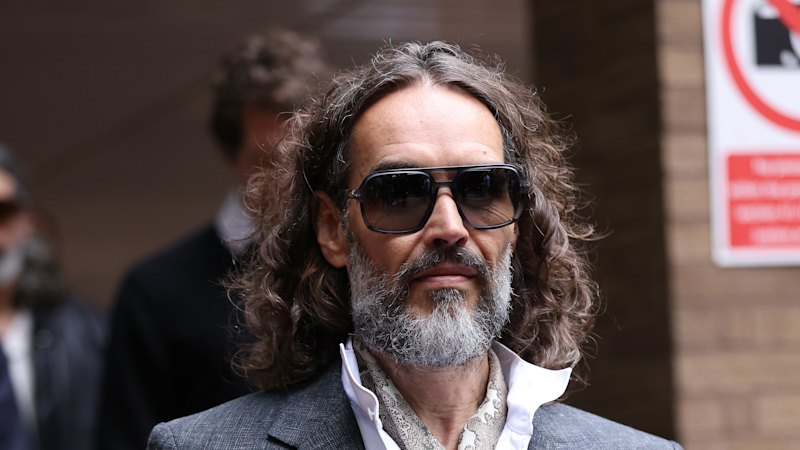
The media coverage surrounding Russell Brand's trial and subsequent decade-long prison sentence reads like a morality play written by algorithms. Headlines frame the conviction as a watershed moment for accountability, a seismic shift in how society handles untouchable cultural figures.
This is lazy analysis. It mistakes a standard criminal prosecution for a grand cultural rebirth. For an alternative look, see: this related article.
The lazy consensus claims that Brand was brought down by an awakening in public consciousness, as if a collective moral inventory finally caught up with his 2000s shock-jock persona. That narrative ignores the mechanical reality of how the British criminal justice system actually processes historical sexual offences. Brand was not convicted because the culture evolved; he was convicted because four women navigated a rigorous, cold evidentiary process under Operation Soteria guidelines, proving specific criminal acts that occurred between 2004 and 2009.
Stop treating a courtroom verdict as a spiritual cleansing. Related analysis on this trend has been published by BBC News.
When Southwark Crown Court handed down a ten-and-a-half-year sentence, commentators rushed to declare that fame no longer grants immunity. That is a comforting fiction. Fame granted Brand immunity for twenty years. The system did not intercept him proactively; it waited until investigative journalism triggered independent disclosures, which then ground through the bureaucratic machinery of the Crown Prosecution Service. The machinery works, but calling it a cultural reckoning is an insult to the mechanics of due process.
Consider the anatomy of non-recent prosecutions. When an allegation surfaces fifteen or twenty years after the fact, the evidentiary hurdles are immense. Corroborating text messages do not exist. Medical records are long gone. What remains is the credibility contest, weighted heavily by modern judicial frameworks designed to dismantle historical rape myths. Judge Joel Bennathan did not invent a new standard of justice; he applied existing penal code with strict aggravating factors, including the deliberate removal of a condom without consent. This was a technical legal execution, not a philosophical evolution.
The media also mismanages the counter-narrative. Supporters and detractors alike treat Brand's alternative media pivot—his descent into wellness contrarianism and anti-establishment broadcasting—as either the cause of his downfall or the proof of a political conspiracy against him. Both extremes are wrong. His broadcast career and his criminal trial occupy separate legal universes. Conflating his YouTube monologues with a state-sponsored conspiracy against free speech gives him a martyrdom cloak he has aggressively tried to wear, even attempting to beam messages from behind bars.
The uncomfortable truth is simpler and more boring: powerful men often commit crimes in plain sight because the social environment of the entertainment industry actively discourages immediate reporting. When the spotlight shifts, the protection evaporates. That is not justice evolving; that is gravity functioning.
If you want to understand what the Brand case actually signifies, look at the timeline. The offenses occurred when celebrity culture treated boundaries as optional suggestions and production sets operated as lawless fiefdoms. The conviction proves that time does not automatically erase criminal liability, but it does not fix the structural silence that allowed the behavior to persist for a decade unchecked.
We do not need another op-ed about the end of impunity. Impunity is alive and well, functioning exactly as it always has, gated only by the courage of individual complainants willing to step into the meat grinder of a four-week public trial.
Ignore the moralizing pundits. Watch the docket.