Global diplomacy broke down in the mountains of North Carolina when Russian Finance Minister Anton Siluanov walked into the G20 finance meetings. It was the first time a high-level Russian official sat physically at the table since the invasion of Ukraine in 2022. The United States extended the invitation without consulting European allies beforehand. That single move fractured western unity overnight.
European ministers hit the roof. They refused to stand next to Siluanov for the traditional group photo, making it clear that Moscow remains an international pariah on their home turf. Behind the diplomatic snub lies a deeper friction point. Washington wanted the summit in Asheville to concentrate strictly on rallying global partners against Iran and managing massive sovereign debt, but bringing Russia back into the fold blew up the agenda.
The Transatlantic Clash Over Moscow
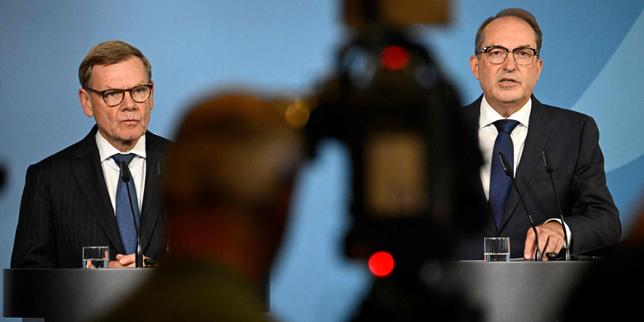
Brussels felt blindsided. German Finance Minister Lars Klingbeil called the presence of the Russian delegation a troubling signal just as Europe prepares a fresh round of sanctions. Polish Finance Minister Andrzej Domanski put it bluntly. He stated that nobody should trust a word coming out of Moscow.
The White House defends the maneuver through a realpolitik lens. Officials argue that communication channels must remain open if there is any hope of stopping ongoing conflicts. US Treasury Secretary Scott Bessent held bilateral talks with Siluanov anyway, driving a wedge between American strategy and European moral consistency. Europe wants total isolation. Washington wants leverage. Those two goals cannot occupy the same room.
Iran Sanctions and Trade Wars Collide
While ministers argued over seating arrangements, the global economy absorbed heavy shocks from multiple directions. US officials used the gathering to pressure international counterparts into tightening the economic chokehold on Tehran. Treasury initiatives target third-party firms and financial networks keeping the Iranian regime afloat.
At the same time, trade tensions tore through the background of the summit. Friction between the US and Canada over tariffs strained relations among G7 advanced economies even before they joined the wider G20 discussions. Add China's massive goods trade surplus into the mix, and the G20 framework looked less like a cooperative body and more like a pressure cooker.
Treasury officials tried to steer conversations toward growth, pointing out that global debt hit an alarming record of nearly 353 trillion dollars. Yet, structural reform took a backseat to political friction. When the host country handpicks who attends and restricts specific news outlets from covering the proceedings, multilateral trust takes a direct hit.
The summit proved that old alliances are fracturing under the weight of competing national priorities. Europe is doubling down on isolating Russia, while US leadership is willing to upend diplomatic norms to chase tactical outcomes on Iran and global trade. Expect more public fractures as international bodies try to navigate a fractured world order where consensus is entirely dead.